
📑 Table of Contents ▶
Pan-Seared Salmon with Creamy Dill Sauce
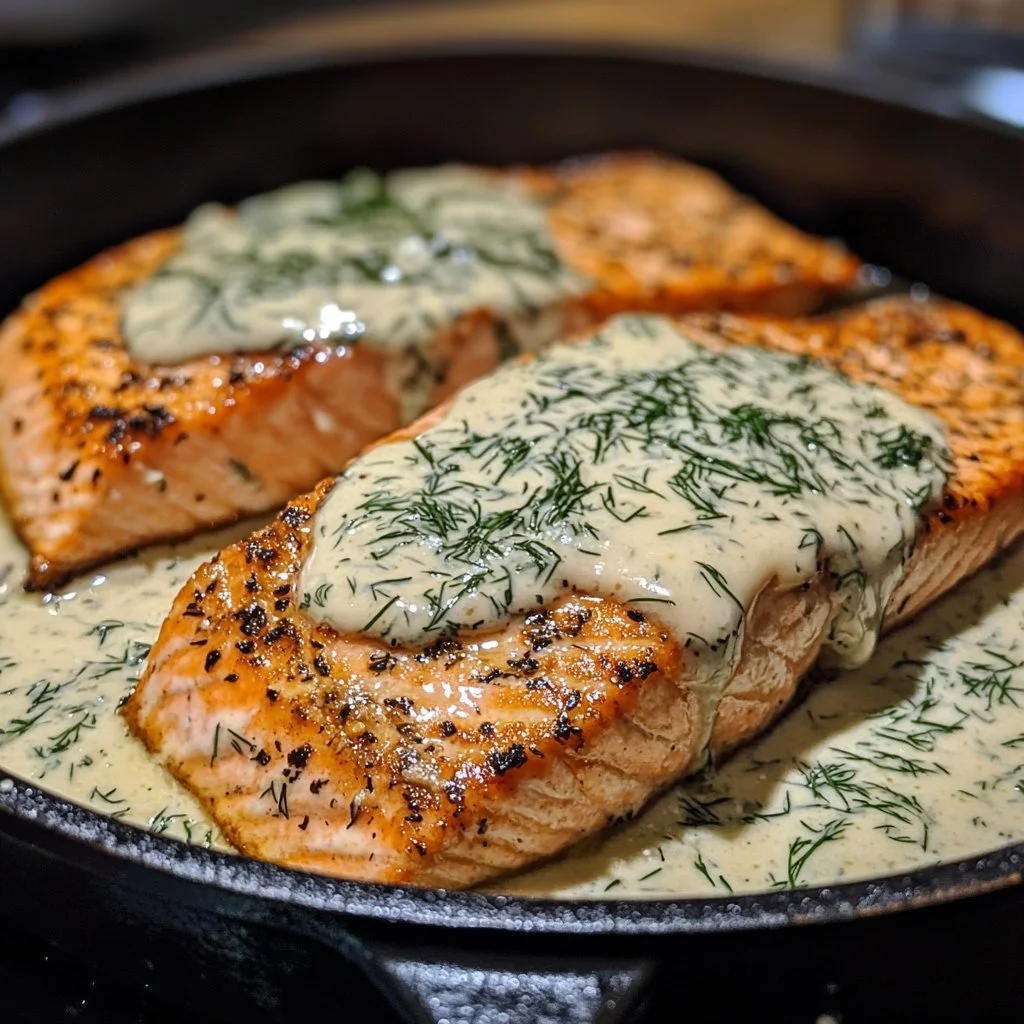
Creating delicious meals often begins with the joy of working with fresh ingredients. One of my favorite go-to recipes is pan-seared salmon, a dish that never fails to impress. Cooking salmon perfectly becomes an art with just a few straightforward steps. A perfectly seared fillet offers that golden crispness on the outside while remaining flaky and tender inside.
My passion for cooking also stems from wanting to share delightful flavor combinations that don’t require extensive time in the kitchen. Salmon, known for its rich taste and health benefits, pairs perfectly with a creamy dill sauce. The freshness of the dill brings brightness to the dish, making it a staple in my home. When I whip up this dish, everyone gathers around, knowing a flavor-packed meal is on its way.
This pan-seared salmon with creamy dill sauce has become a favorite during busy weeknights and special occasions. With just a handful of ingredients, you can create a satisfying meal that will wow your family and friends. The key lies in the balance of flavors and the technique of achieving that perfect sear on your salmon fillets.
Pan-Seared Salmon: Fundamentals
When it comes to cooking salmon, the fundamentals start with understanding the fish itself. Salmon is not only delicious but also packed with omega-3 fatty acids, making it a healthy choice for any meal. Choosing fresh salmon fillets is crucial—look for vibrant color and a firm texture. Fresh salmon should also have a mild scent, not overly fishy.
Additionally, keep in mind the importance of seasoning. A simple sprinkle of salt and pepper can elevate the flavor, allowing the natural taste of the salmon to shine through. The freshness of the ingredients you use, especially the herbs, can make a significant difference in the final dish.
Technique plays an essential role in cooking salmon. Using a hot skillet ensures that you get that crispy skin, which adds depth to the overall flavor. It’s all about giving the skin enough time to sear without rushing the cooking process.
Preparation/Setup
Before you begin cooking, gather all your ingredients. You’ll need four salmon fillets, salt and pepper, two tablespoons of olive oil, half a cup of sour cream, two tablespoons of freshly chopped dill, one tablespoon of lemon juice, and one minced garlic clove. Having everything within reach simplifies the cooking process and allows for a smooth workflow in the kitchen.
Preparing your salmon involves seasoning it generously with salt and pepper. This step enhances its flavor and sets the stage for that delightful crust to form. Meanwhile, preheat your skillet over medium-high heat and add the olive oil. It’s essential to let the oil heat adequately before adding the salmon.
Ingredients
- 4 salmon fillets
- Salt and pepper to taste
- 2 tablespoons olive oil
- 1/2 cup sour cream
- 2 tablespoons fresh dill, chopped
- 1 tablespoon lemon juice
- 1 garlic clove, minced
Directions
- Season the salmon fillets with salt and pepper.
- Heat the olive oil in a skillet over medium-high heat.
- Once the oil is hot, add the salmon fillets to the skillet, skin-side down, and cook for approximately 4-5 minutes until the skin is crisp.
- Carefully flip the salmon and cook for an additional 3-4 minutes to ensure the salmon cooks through.
- While the salmon cooks, prepare the creamy dill sauce by mixing sour cream, dill, lemon juice, and minced garlic in a bowl until well combined.
- Serve the pan-seared salmon topped with the creamy dill sauce.
Mastering the Technique
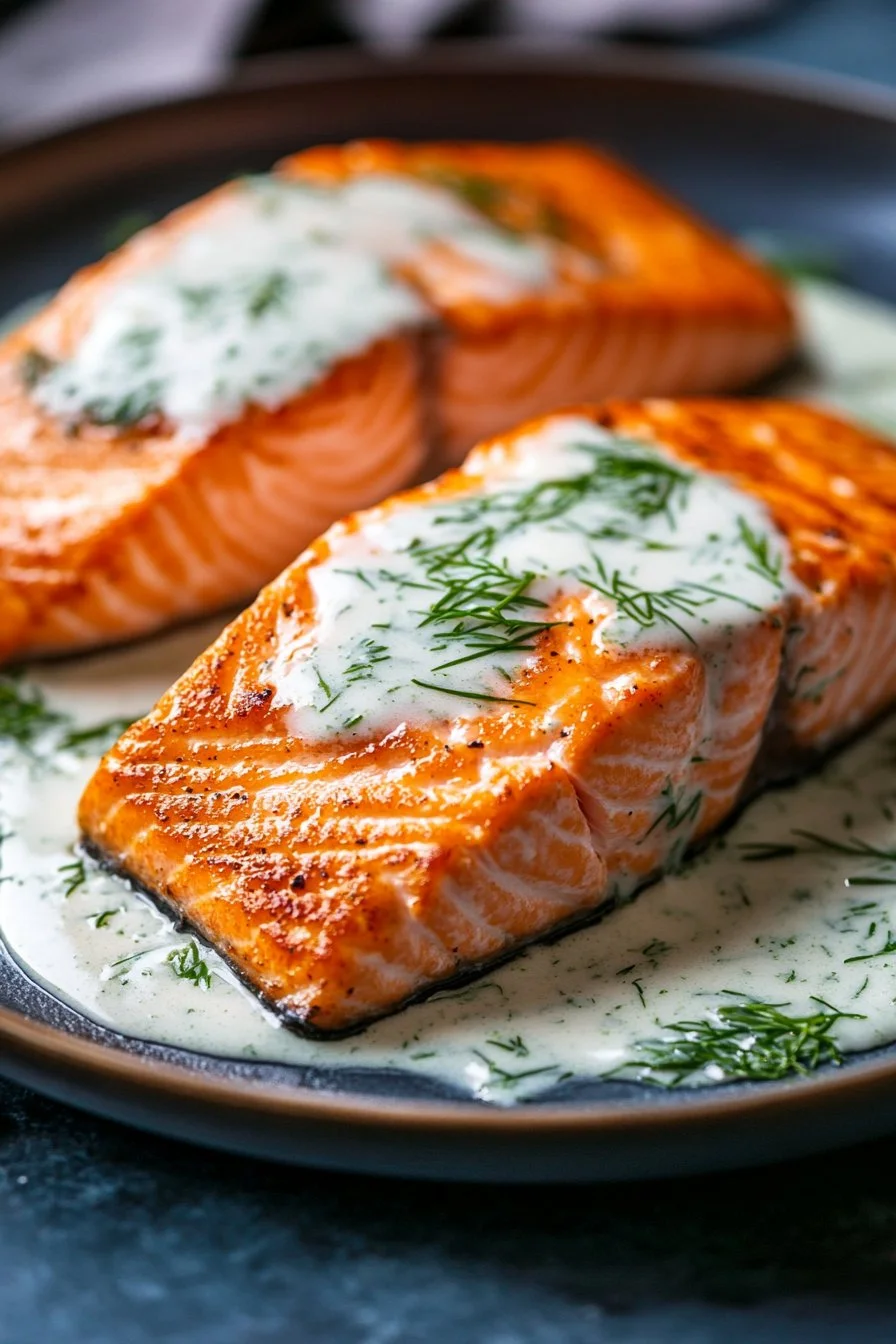
The technique of pan-searing salmon elevates this dish to restaurant quality. Start with a hot skillet; this sears the skin beautifully, creating that desired crunch. Let the salmon fillets cook undisturbed for the first few minutes to ensure even cooking.
When it’s time to flip, do so gently with a spatula. This action keeps the fillets intact and prevents them from flaking apart. The remainder of the cooking time will ensure the salmon is tender and not overcooked.
Tips and Tricks
The success of pan-seared salmon often comes down to timing. Use a kitchen timer to track the cooking process, especially for the first side that requires 4-5 minutes. Adjust your heat as necessary. If you notice that the outside cooks too quickly, reduce the heat slightly.
Another helpful tip is to use a fish spatula. This tool allows for easier flipping while ensuring the fish stays beautifully intact. If you like a little more flavor complexity, consider marinating the salmon for about 30 minutes before cooking. A simple mix of olive oil, lemon juice, and herbs works wonders.
Perfecting the Results
Achieving perfectly cooked salmon fillets is a satisfying process. After time in the pan, the key indicators of doneness are the flaky texture and opaque appearance. A great tip is to use a fork to gently flake the salmon apart in the thickest part. If it flakes easily yet remains moist, you know it’s ready.
One common challenge is overcooking the salmon, leading to dryness. To avoid this, keep an eye on the color and texture of your fish. Each salmon fillet can vary in thickness, so adjust cooking time as needed.
Troubleshooting / Variations
If your salmon doesn’t develop that beautiful crisp skin, ensure your skillet is hot enough before adding the fish. Adding too many fillets at once can cool the pan down, resulting in a steaming effect instead of a sear. Cooking the salmon in batches can help maintain the ideal temperature.
For variations in flavor, consider altering the herb components. Fresh parsley or chives can be good substitutes for dill if that’s what you have on hand. You might also play with other flavor additions like capers or a touch of Dijon mustard in your creamy sauce.
Serving and Presentation
Presenting your pan-seared salmon with creamy dill sauce can enhance the overall dining experience. Plating this dish on a vibrant, contrasting plate can be visually appealing. Start with a generous scoop of creamy dill sauce, then lay the salmon fillet beside or on top. Garnish with additional dill or lemon slices for a colorful touch, and watch as your guests admire the dish before even taking a bite.
Pairings and Storage
This pan-seared salmon pairs well with sides such as roasted vegetables, green salads, or quinoa. The flavors meld nicely with fresh produce, making for a balanced meal.
As for storage, any leftovers can be kept sealed in a container in the refrigerator for up to two days. When reheating, do so gently to maintain its flaky texture.
Conclusion
Pan-seared salmon with creamy dill sauce brings a delightful, elegant dish to your table with minimal fuss. This cooking method not only highlights the salmon’s natural flavors but also pairs beautifully with a fresh, rich sauce. With just a few essential ingredients, you can create a sophisticated meal that’s sure to impress. The simplicity of this recipe allows you to focus on flavor while enjoying quality time in the kitchen. Follow the steps, master the technique, and savor the results.
Print
Pan-Seared Salmon with Creamy Dill Sauce
- Prep Time: 10 minutes
- Cook Time: 10 minutes
- Total Time: 20 minutes
- Yield: 4 servings
- Category: Main Course
- Method: Pan-Searing
- Cuisine: American
- Diet: Pescatarian
Description
A delicious pan-seared salmon dish served with a creamy dill sauce, perfect for impressing family and friends.
Ingredients
- 4 salmon fillets
- Salt and pepper to taste
- 2 tablespoons olive oil
- 1/2 cup sour cream
- 2 tablespoons fresh dill, chopped
- 1 tablespoon lemon juice
- 1 garlic clove, minced
Instructions
- Season the salmon fillets with salt and pepper.
- Heat the olive oil in a skillet over medium-high heat.
- Once the oil is hot, add the salmon fillets to the skillet, skin-side down, and cook for approximately 4-5 minutes until the skin is crisp.
- Carefully flip the salmon and cook for an additional 3-4 minutes to ensure the salmon cooks through.
- While the salmon cooks, prepare the creamy dill sauce by mixing sour cream, dill, lemon juice, and minced garlic in a bowl until well combined.
- Serve the pan-seared salmon topped with the creamy dill sauce.
Notes
For perfect results, ensure the skillet is hot enough before adding the salmon. Adjust cooking time according to the thickness of the fillets to avoid overcooking.