
📑 Table of Contents ▶
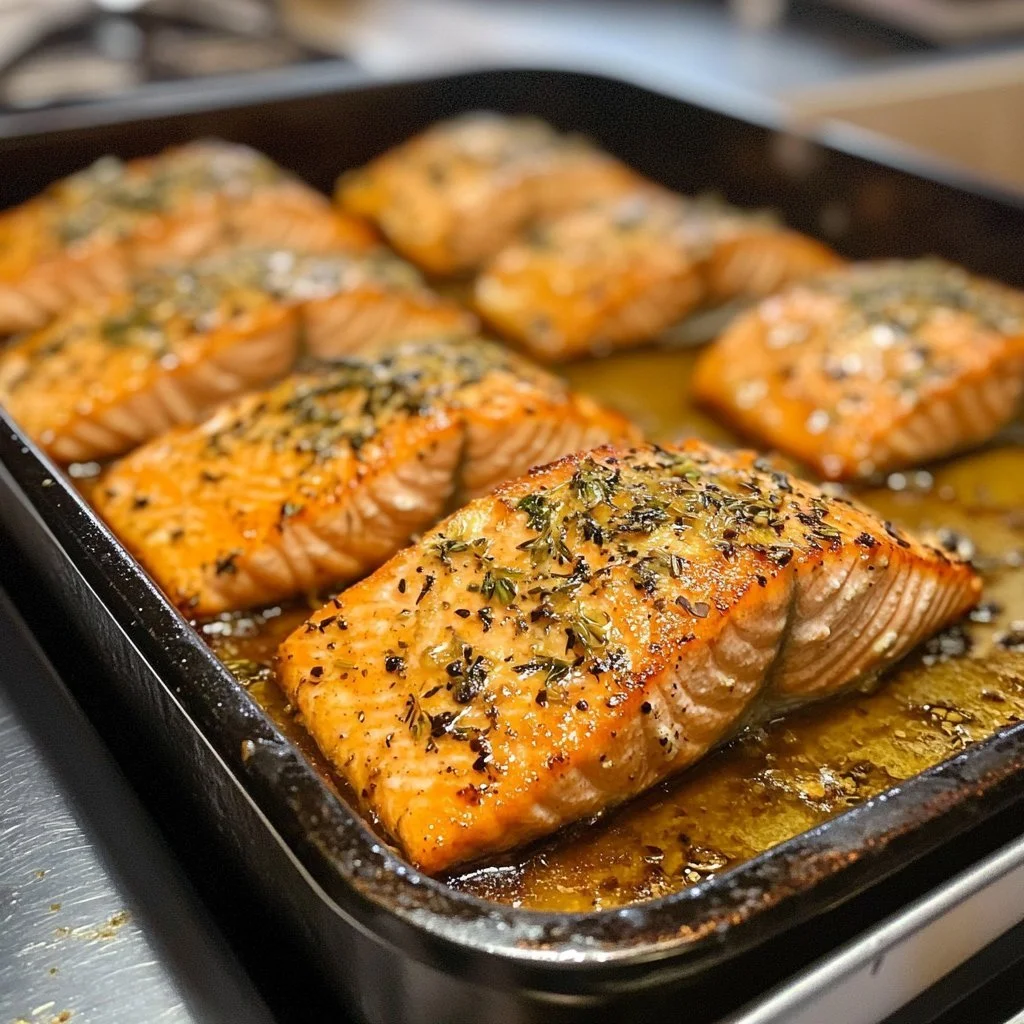
Baked Salmon
Creating delicious meals at home often brings back fond memories. My journey with salmon began decades ago when I watched my grandmother prepare it with such love and care. The smell wafting through the kitchen filled our home with warmth. Baked salmon has since become a family favorite, a dish that balances nutrition and taste effortlessly.
Baked salmon allows for creativity while sticking to simple, wholesome ingredients. The combination of honey and soy sauce creates a glaze that elevates its flavor profile perfectly. As a busy individual, I appreciate that I can whip up this meal in under 30 minutes without sacrificing quality or taste. Baked salmon satisfies cravings while keeping things healthy, making it a versatile choice for dinner any night of the week.
The beauty of this dish lies in its simplicity. With just a handful of ingredients, you can achieve remarkable results. Each bite delivers a perfect amalgamation of sweetness and umami. It captures the essence of home cooking, showcasing how easy it is to prepare fresh, healthy meals. Let’s dive into the techniques and methods that make baked salmon a staple in my kitchen.
Baked Salmon Fundamentals
Fundamentals
Understanding the fundamentals of baking salmon sets the stage for success. Salmon is not only delicious; it’s also packed with omega-3 fatty acids, making it an underutilized powerhouse in many kitchens. Recognizing the different types of salmon available, such as sockeye or king salmon, can help you decide which variety to purchase.
When baking salmon, consider the cooking method and temperature. The oven temperature of 375°F (190°C) perfectly complements salmon’s natural richness, creating a flaky texture while preventing it from drying out. Learning how to prepare the fish will provide a solid foundation to create your meals.
Preparation/Setup
Preparation plays a crucial role in the cooking process. Start with fresh salmon fillets, checking for bright coloration and minimal fishy odor. Prepare your baking sheet by lining it with parchment paper, which prevents sticking and makes clean-up a breeze. This small step allows the salmon to cook evenly without losing any wonderful flavors.
Next, gather your ingredients: honey, soy sauce, Dijon mustard, and garlic. Mince the garlic finely to unleash its aromatic qualities. Combine these ingredients in a small bowl, mixing them until they achieve a harmonious glaze. This blend not only adds flavor but also caramelizes beautifully during the baking process.
Ingredients
- 4 salmon fillets
- 1/4 cup honey
- 2 tablespoons soy sauce
- 1 tablespoon Dijon mustard
- 1 clove garlic
Each ingredient in this collection contributes to the rich flavor profile of baked salmon. The honey adds sweetness, while the soy sauce lends a touch of saltiness, ensuring a perfect balance. Dijon mustard adds a tangy note that cuts through the richness of the salmon.
Using fresh garlic will enhance the overall taste, providing depth and warmth to the dish. Always opt for quality ingredients to ensure your meal tastes its best.
Directions
- Preheat the oven to 375°F (190°C).
- In a small bowl, mix honey, soy sauce, Dijon mustard, and minced garlic.
- Place salmon fillets on a baking sheet lined with parchment paper.
- Brush the glaze over the salmon.
- Bake for 15-20 minutes or until salmon is cooked through.
- Serve immediately and enjoy your delicious baked salmon!
Baked Salmon Techniques
Technique
The technique behind baking salmon is straightforward yet crucial. Properly preheating the oven and ensuring even heat distribution allows the salmon to bake uniformly. This method guarantees that you achieve that melt-in-your-mouth texture that makes salmon so appealing.
Another important technique involves glazing the salmon. Brushing the fillets with the honey-soy mixture evenly allows the flavors to penetrate the fish while it cooks, resulting in a flavorful outer layer. Consider using a silicon brush for an even application and to avoid overwhelming the salmon’s natural taste.
Tips/Tricks
To make the most of your baked salmon, here are a few tips. First, don’t overcrowd the baking sheet; give each fillet enough space to allow for even cooking. If you’re preparing more than four fillets, consider using multiple sheets or baking batches.
For added flavor, consider marinating the salmon for about 30 minutes before glazing it. This step allows the fish to absorb the rich mixture more deeply. Also, keep an eye on the cooking time. Salmon is done when it flakes easily with a fork, and undercooking slightly is better than overcooking.
Perfecting Baked Salmon Results
Perfecting Results
Perfecting the art of baked salmon comes down to a few essential factors. Timing is critical; every oven is different, so knowing how your oven behaves can lead to better results. Use a meat thermometer if you want precision, aiming for an internal temperature of about 145°F (63°C).
Another way to perfect your dish is by considering the thickness of your fillets. Thicker fillets might require extra cooking time, while thinner pieces will cook faster. Depending on your desired level of doneness, adjusting the baking time slightly can make all the difference.
Troubleshooting/Variations
Troubleshooting common issues can enhance your baking experience. If your salmon is turning out dry, consider baking it for a shorter time or covering it loosely with foil during part of the cooking process. This technique can trap moisture and prevent drying.
If you’re feeling adventurous, you can customize the glaze. Consider incorporating other ingredients like ginger or sesame oil for an exciting twist. Chopped green onions or sesame seeds can also add texture and additional layers of flavor.
Serving Baked Salmon
Serving/Presentation
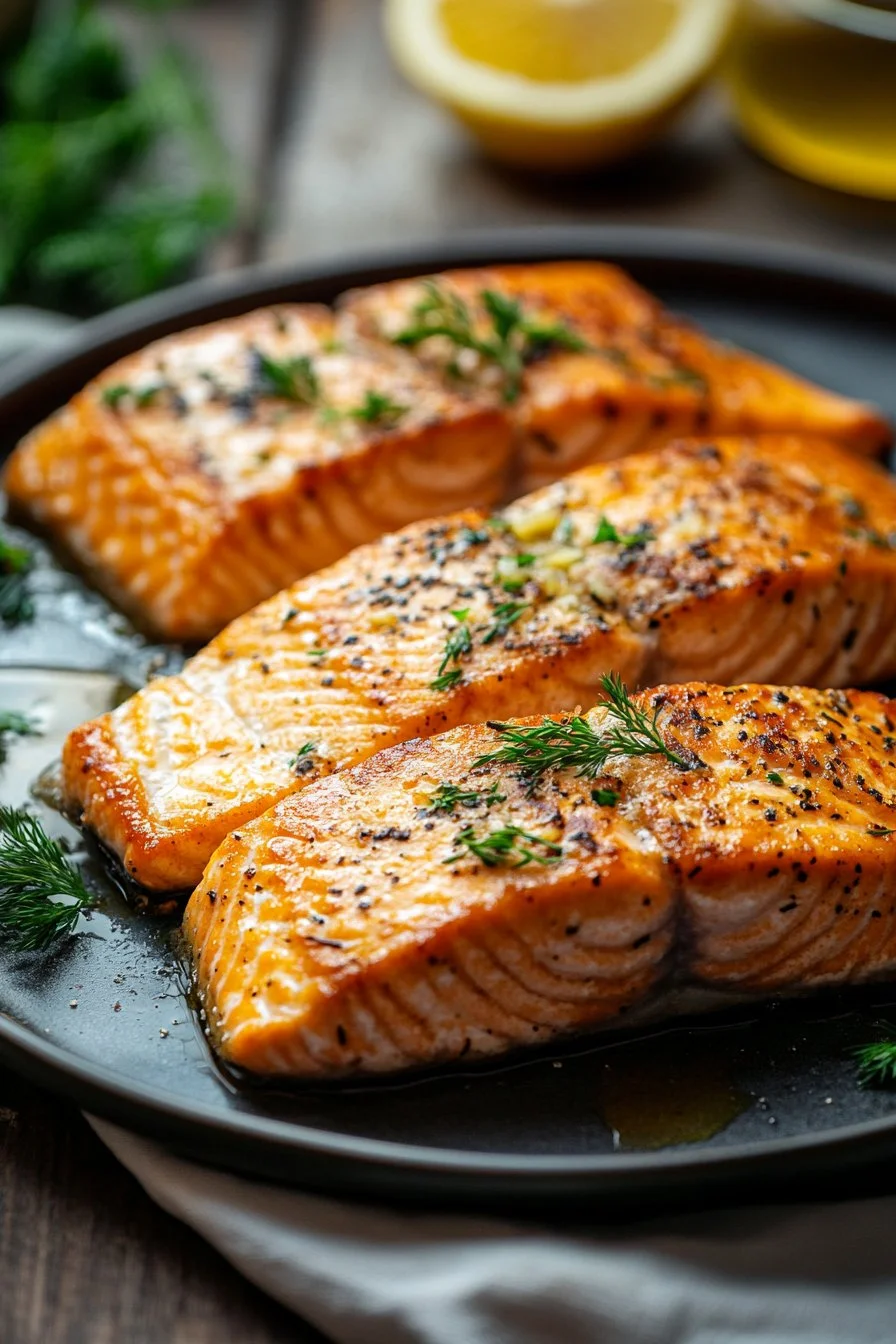
Presentation makes a meal feel festive, and baked salmon is no exception. When serving, place the fillets on a platter with a sprinkle of fresh herbs, such as parsley or cilantro, for a pop of color. Accompany the dish with lemon wedges to bring brightness to each bite. A touch of freshness transforms the meal from basic to gourmet.
Consider serving baked salmon with roasted seasonal vegetables or a fresh garden salad. These sides complement salmon beautifully, allowing its flavor to shine while providing balanced nutrition.
Pairings/Storage
For sides, roasted vegetables provide a great contrast with salmon’s richness. Options include asparagus, broccoli, or bell peppers, seasoned simply with olive oil, salt, and pepper. Quinoa or a light rice blend also pairs well, creating a balanced plate without overwhelming the salmon.
If you have leftovers, store them in an airtight container in the fridge for up to three days. Reheat gently to maintain the salmon’s texture; the microwave works, but opt for the oven for a more even reheating process.
Conclusion
Creating flavorful baked salmon using simple ingredients showcases the beauty of home cooking. This dish offers a balance of health and taste, perfect for busy weeknights or special occasions alike. By mastering basic techniques and understanding ingredients, you can enjoy baked salmon that brings warmth to any meal.
Print
Baked Salmon
- Prep Time: 10 minutes
- Cook Time: 15-20 minutes
- Total Time: 25-30 minutes
- Yield: 4 servings
- Category: Main Course
- Method: Baking
- Cuisine: American
- Diet: Pescatarian
Description
A quick and healthy baked salmon recipe featuring a honey-soy glaze that beautifully balances sweetness and umami.
Ingredients
- 4 salmon fillets
- 1/4 cup honey
- 2 tablespoons soy sauce
- 1 tablespoon Dijon mustard
- 1 clove garlic, minced
Instructions
- Preheat the oven to 375°F (190°C).
- In a small bowl, mix honey, soy sauce, Dijon mustard, and minced garlic.
- Place salmon fillets on a baking sheet lined with parchment paper.
- Brush the glaze over the salmon.
- Bake for 15-20 minutes or until salmon is cooked through.
- Serve immediately and enjoy your delicious baked salmon!
Notes
Consider marinating the salmon for 30 minutes for deeper flavor. Serve with fresh herbs and lemon wedges for presentation.