
📑 Table of Contents ▶
Rice Noodle Stir-Fry
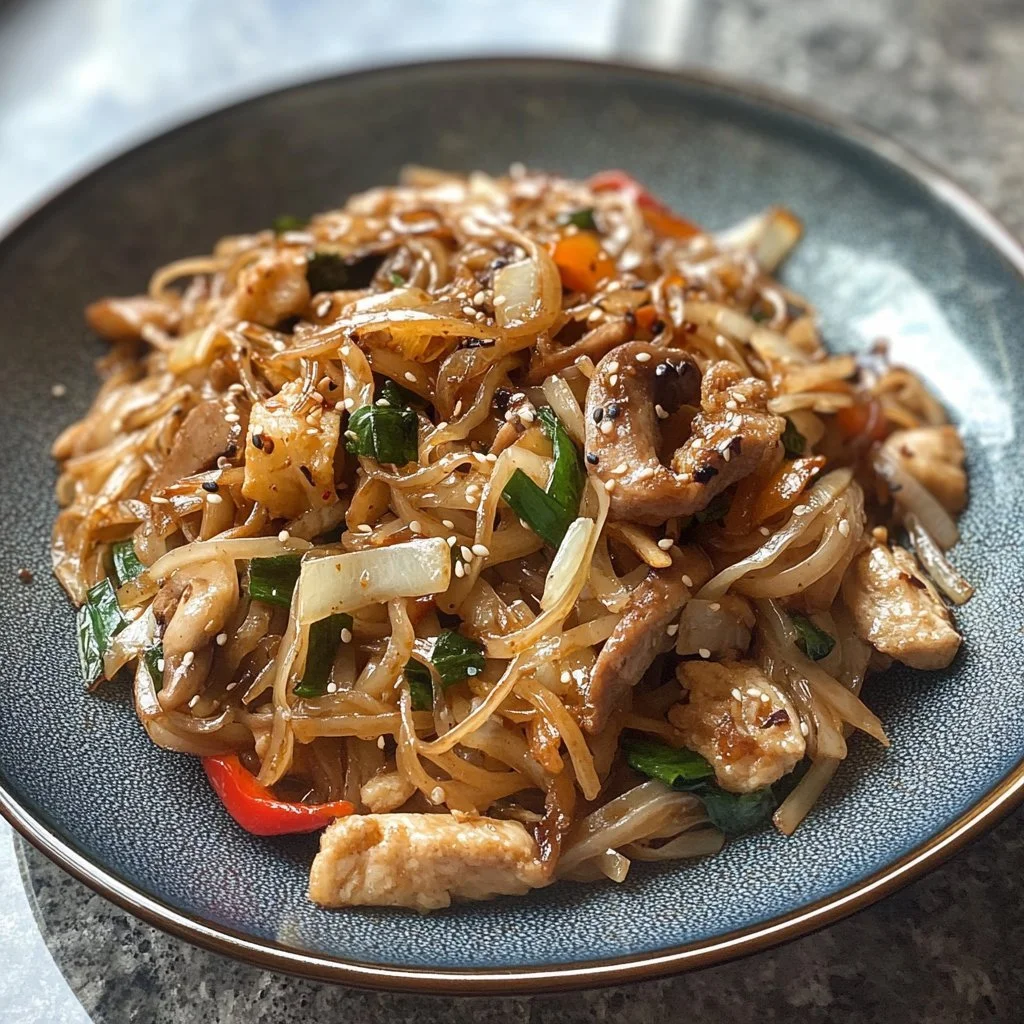
Exploring the joy of a comforting rice noodle stir-fry brings back memories of family dinners where everyone gathered around the table. It’s a vibrant dish loaded with colorful vegetables, tender protein, and delightful noodles that make each bite exciting. I recall the first time I attempted it, a whirlwind of ingredients flying around the kitchen, culminating in a dish that was as delicious as it was visually appealing.
The flexibility of rice noodle stir-fry captivates me. Whether you’re craving tofu, chicken, or shrimp, the combination of fresh bell peppers, broccoli, and carrots adds a nutritious crunch. The fragrant ginger and nutty sesame oil elevate the dish, making it not just a meal, but an experience. Each bite of this stir-fry transports you to that warm kitchen, filled with laughter and the sizzling sound of vegetables cooking in a hot skillet.
This rice noodle stir-fry is quick, making it an excellent choice for busy weeknights. You can easily whip up a fragrant and colorful meal that will satisfy both your hunger and your taste buds. So, let’s dive deeper into the fundamentals of this dish and unlock the secrets to mastering your own flavorful rice noodle stir-fry.
Rice Noodle Stir-Fry: The Essentials
Fundamentals
When it comes to crafting the perfect rice noodle stir-fry, understanding the basic components is essential. The star of the show, flat rice noodles, provides the foundation for this dish. They serve as a canvas for your protein and vegetables. Their unique texture, being slightly chewy, holds onto the sauce beautifully, enhancing the overall experience.
Selecting your protein is another vital step. Whether you choose tofu, chicken, or shrimp, ensure that your protein complements the flavors of the dish. Each option brings its character and taste, allowing for versatile meal options.
In addition to the noodles and protein, fresh vegetables amplify the nutrition and color of your stir-fry. Bell peppers, broccoli, and carrots not only offer visual appeal but also add a lovely crunch and a variety of vitamins.
Preparation/Setup
Preparing for a rice noodle stir-fry involves a bit of organization to ensure a smooth cooking process. Start by gathering all your ingredients and tools. You’ll need a large pot for boiling the noodles, a colander for draining them, and a large skillet or wok for the stir-frying process.
Begin with the rice noodles. Bring a large pot of water to a rolling boil and add your noodles. Cook them for 4-6 minutes, stirring occasionally, until they reach the desired tenderness. The goal is to have them cooked through while still retaining a slight chewiness. Drain the noodles and rinse them under cold water; this halts the cooking process and prevents them from becoming overly soft.
While the noodles are cooking, chop your vegetables and prepare your protein. Slice the bell peppers, cut the broccoli into small florets, and slice the carrots diagonally for a visually appealing presentation. Grate fresh ginger to add depth of flavor to your dish.
Ingredients
To create this delectable rice noodle stir-fry, you’ll need the following ingredients:
- 8 oz flat rice noodles
- 1 cup bell peppers, sliced
- 1 cup broccoli florets
- 1 cup carrots, sliced
- 1 cup protein (tofu, chicken, or shrimp)
- 3 tablespoons low-sodium soy sauce
- 2 tablespoons sesame oil
- 1 tablespoon fresh ginger, grated
- 2 tablespoons cooking oil (avocado or vegetable oil)
- Optional garnishes: sesame seeds, green onions (sliced)
Directions
Cooking a rice noodle stir-fry is straightforward once you have everything prepped. Here’s how to do it:
-
Boil the Noodles: Bring a large pot of water to a rolling boil. Add the rice noodles and cook for 4-6 minutes, stirring occasionally, until tender but still slightly chewy. Drain the noodles in a colander and rinse under cold water to stop the cooking process.
-
Prepare Vegetables: While the noodles cook, slice the bell peppers into 1/4-inch strips, cut the broccoli into small florets, and slice the carrots thinly on the diagonal. Grate the fresh ginger and set aside. Prepare your chosen protein accordingly.
-
Cook the Protein: Heat a large skillet or wok over medium heat and add 1 tablespoon of cooking oil. Cook your selected protein until done, then remove it from the skillet and set aside.
-
Stir-Fry the Vegetables: Increase the heat on your skillet, add another tablespoon of oil, and stir-fry the carrots for about 2 minutes. Next, add the broccoli, bell peppers, and fresh ginger, stirring for 3-5 minutes until the vegetables appear vibrant and crisp.
-
Combine Ingredients: Return the cooked protein to the skillet. Add the drained noodles and soy sauce, tossing everything together for about 2 minutes. If it seems a bit dry, add a tablespoon of reserved cooking water.
-
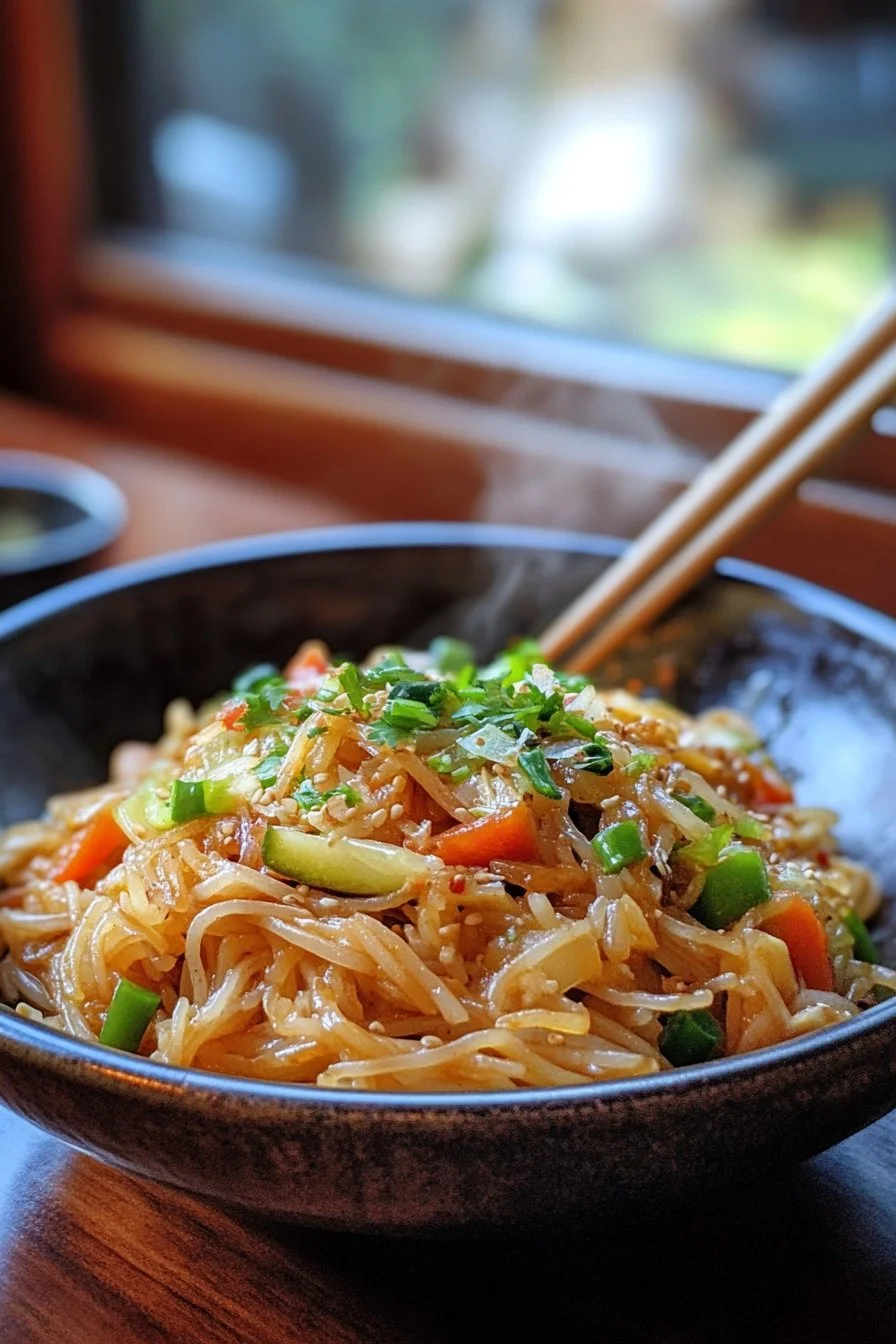
Finish with Flavor: Drizzle the stir-fry with sesame oil, toss once more, and serve hot, topped with optional sesame seeds and sliced green onions.
Mastering Your Rice Noodle Stir-Fry
Technique
Perfecting the technique for a rice noodle stir-fry requires practice and attention to heat. Stir-frying involves cooking food quickly over high heat, allowing for that desirable crisp texture. Ensure your skillet or wok is preheated before adding any ingredients; this ensures even cooking.
Using the right type of oil is also crucial. Avocado or vegetable oil works well because they can handle high temperatures without smoking. Each ingredient should be added in stages—starting with the protein, followed by the vegetables—and then the noodles. This layered cooking approach helps achieve the best texture and flavor.
Tips and Tricks
To elevate your rice noodle stir-fry, consider these tips:
-
Prep Ahead: Having everything prepped in advance allows you to focus on the cooking process and ensures you don’t overcook any ingredients.
-
High Heat is Key: Keep the heat high to achieve that perfect stir-fried texture. The high temperature cooks the food quickly while ensuring it retains its vibrancy.
-
Sauce Variations: Don’t hesitate to experiment with different sauces. Add more soy sauce for a saltier kick or incorporate a touch of chili sauce for heat.
-
Incorporate Fresh Herbs: Adding fresh herbs like cilantro or basil right before serving can brighten the overall flavor of your dish.
Perfecting Your Rice Noodle Stir-Fry
Perfecting Results
To ensure your rice noodle stir-fry turns out consistently delicious, be mindful of timing. Each vegetable has a different cooking time. Carrots, for example, take longer to cook than bell peppers. Add the harder vegetables first and tender ones later for optimal texture.
Maintaining balance in flavor is key. The soy sauce provides saltiness, while the sesame oil adds a nutty richness. Adjust quantities based on your taste preferences, keeping in mind that a little goes a long way with these powerful flavors.
Troubleshooting and Variations
If your stir-fry ever feels off, consider these troubleshooting tips. If the dish seems too dry, consider adding a splash more soy sauce or a small amount of water to achieve the desired consistency.
For variations, different proteins can change the flavor profile significantly. Try marinating your protein beforehand to infuse more flavor. Additionally, play with other vegetables like snap peas, baby corn, or zucchini to keep the dish exciting.
Serving and Presentation
Serving Tips
A rice noodle stir-fry not only delights the palate but also pleases the eye. Serve it directly from the skillet for a rustic touch, or plate it elegantly with careful portions. A sprinkle of sesame seeds and freshly sliced green onions on top adds a pop of color and texture.
Pairings and Storage
Rice noodle stir-fry pairs wonderfully with various side dishes. You could serve some edamame or a side salad dressed lightly in sesame vinaigrette.
For storage,
- Keep leftovers in an airtight container in the refrigerator for up to three days.
- When reheating, add a splash of water or soy sauce to loosen the noodles and prevent them from drying out.
Embrace the versatility of a rice noodle stir-fry.
Creating this dish opens the door to a realm of flavors and experiences. The combination of chewy noodles, fresh vegetables, and protein of your choice establishes a comforting meal for any occasion. Join the adventure of crafting delicious meals that not only nourish the body but also warm the heart.
Print
Rice Noodle Stir-Fry
- Prep Time: 15 minutes
- Cook Time: 15 minutes
- Total Time: 30 minutes
- Yield: 4 servings
- Category: Main Course
- Method: Stir-Frying
- Cuisine: Asian
- Diet: Vegetarian or Non-Vegetarian (based on protein choice)
Description
A vibrant and comforting dish of rice noodles stir-fried with fresh vegetables and your choice of protein, elevated with fragrant ginger and nutty sesame oil.
Ingredients
- 8 oz flat rice noodles
- 1 cup bell peppers, sliced
- 1 cup broccoli florets
- 1 cup carrots, sliced
- 1 cup protein (tofu, chicken, or shrimp)
- 3 tablespoons low-sodium soy sauce
- 2 tablespoons sesame oil
- 1 tablespoon fresh ginger, grated
- 2 tablespoons cooking oil (avocado or vegetable oil)
- Optional garnishes: sesame seeds, green onions (sliced)
Instructions
- Bring a large pot of water to a rolling boil. Add the rice noodles and cook for 4-6 minutes until tender but still slightly chewy. Drain the noodles and rinse under cold water.
- While the noodles cook, slice the bell peppers, cut the broccoli into small florets, and slice the carrots. Grate the fresh ginger and prepare your protein.
- Heat a large skillet or wok over medium heat and add 1 tablespoon of cooking oil. Cook your selected protein until done and set aside.
- Increase the heat and add another tablespoon of oil to the skillet. Stir-fry the carrots for about 2 minutes. Add broccoli, bell peppers, and ginger, and stir for 3-5 minutes until vegetables are vibrant and crisp.
- Return the cooked protein to the skillet. Add the drained noodles and soy sauce, tossing everything for about 2 minutes. If dry, add a tablespoon of reserved cooking water.
- Drizzle with sesame oil, toss once more, and serve hot, topped with optional sesame seeds and sliced green onions.
Notes
For added flavor, consider marinating your protein beforehand and experimenting with different vegetables and sauces.