
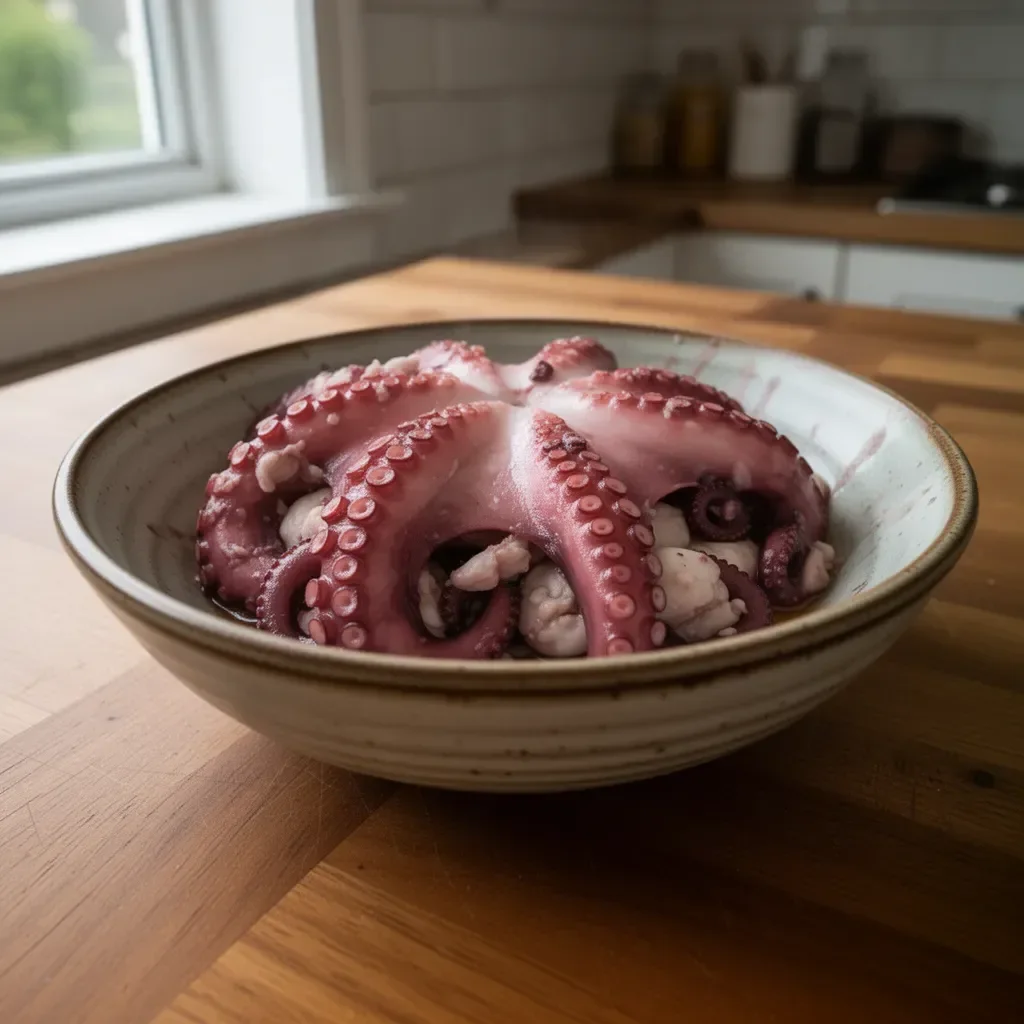
📑 Table of Contents ▶
How to Cook Octopus
There’s something captivating about the culinary world of seafood, and cooking octopus brings a unique adventure. Growing up near the coast, octopus was a staple in our family meals. I remember watching my grandmother expertly prepare the octopus, transforming a seemingly intimidating ingredient into a dish bursting with flavor. The moment it hit the boiling water, the aroma filled the kitchen, calling everyone to gather around the table.
Cooking octopus may seem daunting, but it can become a delightful experience. Many people shy away from trying to cook octopus because they’ve heard of the difficulties involved. However, with a few simple steps and the right ingredients, anyone can master how to cook octopus at home. The key lies in the initial boiling process, which makes the octopus tender, and then allows for creativity in presentation and flavor addition.
Navigating the cooking of octopus offers so many possibilities. It’s versatile enough for various cuisines, from Mediterranean to Asian flavors. In this article, we’ll explore the best techniques and tips to ensure your octopus turns out perfectly every time. Embrace this seafood classic, and you’ll find that cooking octopus can become a much-loved ritual in your kitchen.
Cooking Octopus
Fundamentals
Understanding the fundamentals of cooking octopus sets the stage for a successful dish. The first step involves choosing a fresh whole octopus. Freshness is critical; look for vibrant color and a clean, briny smell. Opt for octopus without ink, as this simplifies the cooking process.
Once you have the right octopus, the next consideration is the boiling process. This method ensures tenderness, allowing you to savor the natural flavors of the octopus without overpowering them. Proper boiling not only cooks the octopus perfectly but also creates a tender texture, making each bite enjoyable.
Preparation/setup
Before cooking, gather all necessary ingredients to streamline the process. For this recipe, you need one whole octopus, a quart of water, a splash of white vinegar, a quarter onion, two bay leaves, one tablespoon of coarse salt, and four black peppercorns. Ensure your setup includes a large pot for boiling and tongs for handling the octopus safely.
Starting with clean equipment and utensils enhances hygiene and efficiency in your cooking space. Make sure you have a surface ready for slicing the octopus post-cooking. Lastly, prepare an ice bath to cool the octopus once it finishes boiling. This quick cooling aids in halting the cooking process, ensuring you don’t overcook your octopus.
Ingredients
- 1 whole octopus (sin tinta)
- 1 liter water
- A splash of white vinegar
- 1/4 onion, quartered
- 2 bay leaves
- 1 tablespoon coarse salt
- 4 black peppercorns
Directions
- Bring a large pot of water to a boil and add a splash of white vinegar, onion, salt, bay leaves, and peppercorns.
- Secure the entire octopus by the head using tongs and quickly dip it into the boiling water, removing it immediately. Repeat this dipping process four times.
- Allow the octopus to cook in the pot for 15 to 20 minutes.
- Test tenderness by piercing with a fork; it should be tender and cooked through.
- Prepare an ice bath to cool the octopus, halting the cooking process.
- Slice and prepare to your liking.
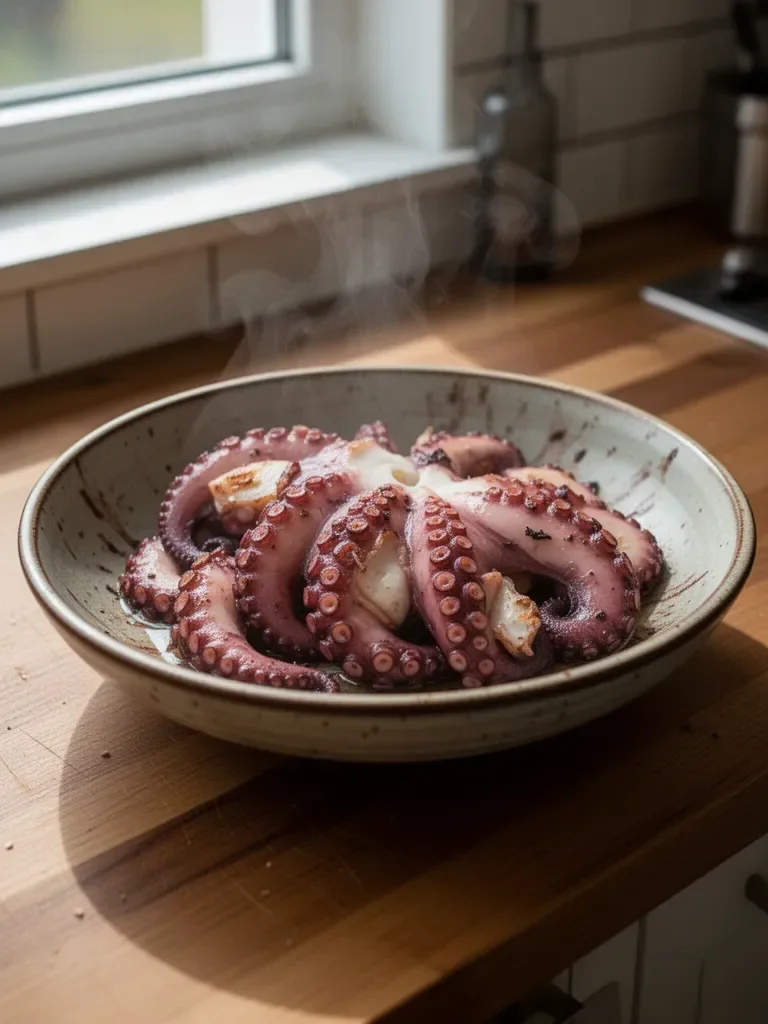
Cooking Octopus Techniques
Technique
Mastering the technique of cooking octopus requires practice. One popular method is the quick-dip technique, where you dip the octopus in boiling water multiple times before allowing it to cook fully. This approach helps prevent the skin from getting tough and ensures an even cooking process.
Following boiling, testing the tenderness is vital. You want the octopus to be soft yet firm, which creates a satisfying mouthfeel. A fork easily pierces through when it’s just right. If not tender yet, return it to the boiling water for a few more minutes.
Tips/tricks
Using an ice bath is a crucial tip for controlling the cooking process. After boiling, transferring the octopus into the ice bath stops the cooking immediately. This technique not only maintains the texture but also helps lock in flavors.
Experimenting with additional seasonings is another great way to enhance the octopus. Consider adding garlic, citrus zest, or chili flakes during the boiling process to infuse flavor. Just remember to keep it simple; you want the natural taste of the octopus to shine through.
Perfecting Your Octopus Recipe
Perfecting results
Achieving perfect results with octopus comes down to attention to detail. After the boiling process, always inspect the tenderness before slicing. If your octopus isn’t tender enough, don’t hesitate to give it a few extra minutes in the pot. Proper cooking offers that delightful melt-in-your-mouth experience, while overcooked octopus can become rubbery.
Utilizing quality ingredients cannot be understated. Fresh octopus paired with carefully chosen aromatics makes a significant difference in flavor. Using coarse sea salt enhances the taste during cooking, bringing out the natural brininess of the octopus.
Troubleshooting/variations
If your octopus doesn’t turn out as expected, consider its initial freshness or cooking time. Adjusting the boiling duration is essential for achieving desired tenderness. If your octopus is too chewy, remember that it may need more time. Conversely, if it cooks too long, it may become tough.
Additionally, don’t shy away from trying variations in flavor. Adding a bit of smoked paprika or herbs de Provence to the boiling water can create different flavor profiles. These twists can transform the dish, making each attempt unique.
Serving and Storing Octopus
Serving/presentation
When serving octopus, presentation matters. Cut the octopus into appealing slices and arrange them on a plate with various accomplices. Consider adding fresh greens, a zesty salad, or even a simple drizzle of olive oil and herbs. This visual appeal enhances the dining experience and showcases your culinary skills.
Including a garnish, such as fresh herbs or a sprinkle of sea salt, brightens the dish. Whether served hot or cold, your prepared octopus can shine in its own right.
Pairings/storage
Octopus pairs well with diverse sides, such as roasted vegetables or grains. You can serve it alongside dishes featuring distinct flavor profiles, such as Mediterranean mezze platters or light seafood salads. The contrast of flavors and textures enhances your meal.
For storing, keep any leftovers in an airtight container in the fridge. Properly stored, cooked octopus lasts for three to four days. Simply reheat gently if you want to enjoy it again.
Cooking octopus may appear challenging, yet it’s achievable with the right approach and ingredients. By following the outlined process, anyone can master this culinary delight. Embrace the art of cooking octopus, and enjoy the delicious results that await.
Print
How to Cook Octopus
- Prep Time: 10 minutes
- Cook Time: 20 minutes
- Total Time: 30 minutes
- Yield: 4 servings
- Category: Main Course
- Method: Boiling
- Cuisine: Mediterranean
- Diet: Paleo
Description
A comprehensive guide on how to cook octopus perfectly, ensuring tenderness and flavor.
Ingredients
- 1 whole octopus (sin tinta)
- 1 liter water
- A splash of white vinegar
- 1/4 onion, quartered
- 2 bay leaves
- 1 tablespoon coarse salt
- 4 black peppercorns
Instructions
- Bring a large pot of water to a boil and add a splash of white vinegar, onion, salt, bay leaves, and peppercorns.
- Secure the entire octopus by the head using tongs and quickly dip it into the boiling water, removing it immediately. Repeat this dipping process four times.
- Allow the octopus to cook in the pot for 15 to 20 minutes.
- Test tenderness by piercing with a fork; it should be tender and cooked through.
- Prepare an ice bath to cool the octopus, halting the cooking process.
- Slice and prepare to your liking.
Notes
Using an ice bath stops the cooking process immediately, maintaining texture and flavor.