
📑 Table of Contents ▶
Fried Hake
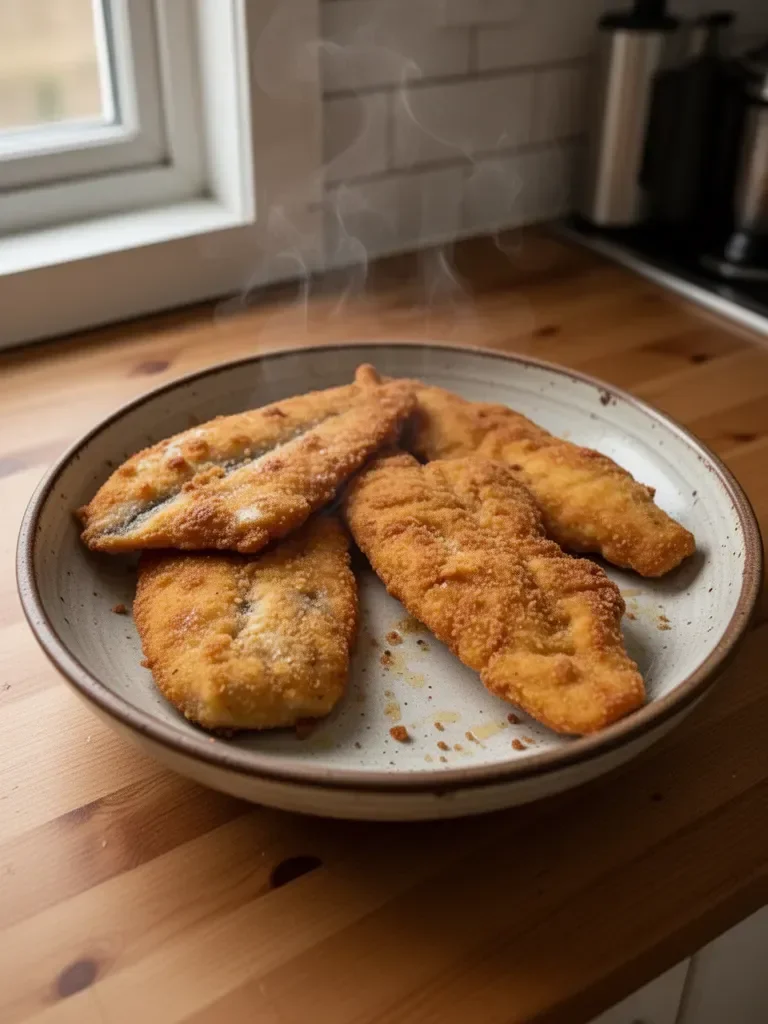
Creating delightful meals often feels like a balancing act between flavor and convenience. Fried hake has become one of my favorite go-to recipes for weeknight dinners. Its simplicity and rich taste make it easy to whip up after a long day. Just imagine—crispy, golden fillets of fish that tantalize your taste buds and bring a sense of comfort and satisfaction.
The first time I made fried hake for my family, it quickly became a household favorite. The crunchy coating combined with the tender, flaky fish offered a delightful contrast. Watching my children devour each bite, I realized this dish would find its place in our regular meal rotation. The best part? You can make it in under 30 minutes, making it perfect for busy evenings.
Fried hake is versatile and pairs wonderfully with various sides, adding to its appeal. Whether you’re serving it with a fresh salad, some fries, or a zesty coleslaw, it always shines on the table. Let’s dive into the process of preparing this crispy delight!
Fried Hake – The Fundamentals
Fundamentals
Fried hake stands out due to its mild flavor and tender texture. This fish works beautifully with spices and seasonings, allowing chefs of all levels to innovate. The primary focus lies in the coating, which transforms the fish into a crispy delicacy.
Despite its gourmet appearance, fried hake remains straightforward enough for weeknight cooking. It requires minimal ingredients, all of which you likely have in your pantry. By mastering this dish, you can create an inviting meal that leaves everyone at the table feeling satisfied and pleased.
Preparation/setup
Preparation is key to achieving perfectly fried hake. Start by ensuring that your ingredients are ready and your work area is set up efficiently. You’ll want to have three plates for the flour, egg wash, and breadcrumbs. This simple setup keeps things organized and makes the breading process more accessible.
Having your ingredients prepped not only streamlines cooking but also builds excitement. The sizzling sound of fish frying in hot oil is music to any cook’s ears. With everything in place, you can enjoy the process, knowing you’re about to create something delicious.
Ingredients
Gather the following ingredients to prepare your fried hake:
- 6 skinless hake fillets (approx. 450g/1 pound)
- 1/4 tsp garlic powder
- 1/4 tsp paprika powder
- 50 g (1/3 cup) all-purpose flour
- 80 g (1/2 cup) breadcrumbs
- 2 eggs
- 500 ml (2 cups) canola oil (for frying)
- Salt and pepper to taste
Directions
- If using frozen hake fillets, prepare them in advance by defrosting.
- Pat dry the hake fillets and place them on a baking sheet.
- Season on both sides with salt, pepper, garlic powder, and paprika powder.
- Prepare three plates: place flour in one, whisk the eggs in another, and empty breadcrumbs into a third.
- Coat each fillet individually by first dipping into flour, then the egg mixture, and finally the breadcrumbs, shaking off any excess.
- Heat canola oil in a deep skillet over high heat until it reaches 170°C / 340°F.
- Fry the fillets in batches, about three at a time, for 5–6 minutes, flipping once.
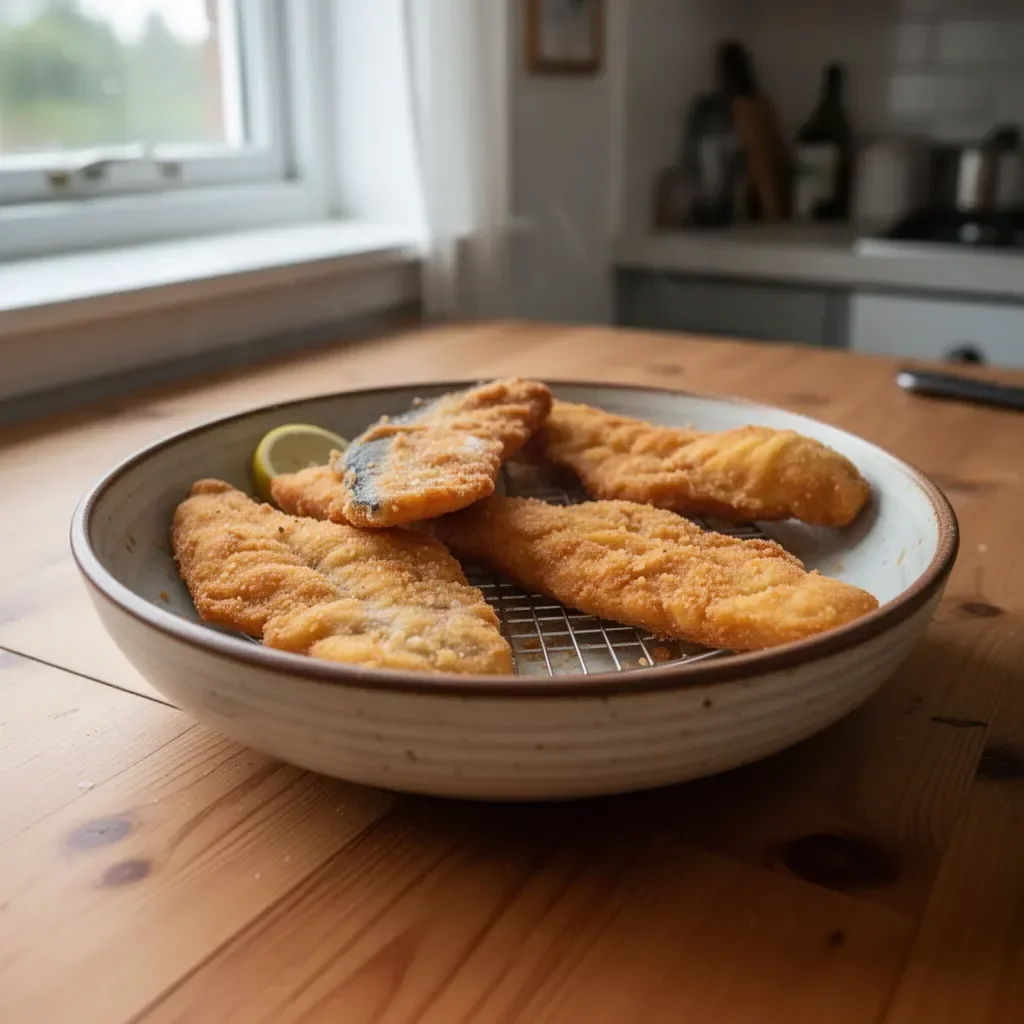
- Remove the golden-brown fillets and drain excess oil on a wire rack lined with paper towels.
- Season with salt or fleur de sel to taste. Serve with your favorite side.
Elevating Your Fried Hake Experience
Technique
The technique used in frying hake is crucial in achieving that perfect, golden crust. The oil temperature matters significantly. If the oil is too hot, the outside can cook too quickly, leaving the inside undercooked. Conversely, if the oil is too cool, it can make the coating greasy.
Maintaining the right temperature ensures a crispy exterior while keeping the fish moist and flaky inside. Invest in a reliable thermometer to help monitor the oil while cooking. It will improve your frying technique and build your confidence in the kitchen.
Tips/tricks
To enhance the flavor, try experimenting with the seasonings. You can add your favorites! Consider incorporating freshly chopped herbs for brightness or a squeeze of lemon juice just before serving for a refreshing twist.
Another trick involves letting the coated fillets rest for about 10 minutes before frying. This resting time allows the coating to adhere better during frying, leading to an even crispier finish.
Mastering Fried Hake
Perfecting results
For perfecting your fried hake, start with the highest quality fish you can find. Freshness makes a noticeable difference in taste. When selecting your hake, look for fillets that are moist and shiny without any off smells.
Monitor the frying time closely. Depending on the thickness of your fillets, cooking times may vary slightly. The goal is to achieve a golden color, which signifies that your fillets are ready to enjoy.
Troubleshooting/variations
If your fried hake turns out less crispy than expected, try adjusting the breading technique. Ensure that each fillet is evenly coated and that you shake off any excess flour and breadcrumbs. A well-coated fillet will provide better crunchiness.
For those looking to mix things up, you can experiment by adding different herbs and spices to the breading. Consider using parmesan cheese in the breadcrumbs or trying a bit of cayenne for some heat.
Serving Fried Hake
Serving/presentation
Presentation matters, even with a casual meal like fried hake. Serve the crispy fillets on a plate lined with parchment paper for that restaurant-style feel. Pairing your fried hake with fresh lemon wedges not only adds a pop of color but also enhances the flavor.
To elevate the meal further, consider garnishing with a sprinkle of fresh herbs. Chopped parsley or cilantro can brighten up your dish and add an appealing touch.
Pairings/storage
Fried hake pairs beautifully with a variety of sides. Consider serving it alongside a crisp salad or soft mashed potatoes for a comforting meal. Alternatively, serve it with a zesty dipping sauce to add some flair.
If you have leftovers, store them in a covered container in the refrigerator. Fried hake generally keeps well for up to two days. To maintain its crispiness, you can reheat the fillets in a hot skillet or an air fryer, ensuring they regain that crunchy texture.
Conclusion
Fried hake provides a satisfying and straightforward meal that brings both comfort and flavor to your table. The combination of crispy coating and tender fish makes this dish a family favorite that can be enjoyed on any occasion. With a few simple steps, you can create this delicious recipe in no time—perfect for busy weeknights or casual gatherings at home. Whether served with sides or dip, fried hake delights with every crispy bite.
Print
Fried Hake
- Prep Time: 15 minutes
- Cook Time: 15 minutes
- Total Time: 30 minutes
- Yield: 4 servings
- Category: Main Course
- Method: Frying
- Cuisine: Seafood
- Diet: Pescatarian
Description
Crispy and golden fillets of fried hake, perfect for a satisfying weeknight dinner.
Ingredients
- 6 skinless hake fillets (approx. 450g/1 pound)
- 1/4 tsp garlic powder
- 1/4 tsp paprika powder
- 50 g (1/3 cup) all-purpose flour
- 80 g (1/2 cup) breadcrumbs
- 2 eggs
- 500 ml (2 cups) canola oil (for frying)
- Salt and pepper to taste
Instructions
- If using frozen hake fillets, prepare them in advance by defrosting.
- Pat dry the hake fillets and place them on a baking sheet.
- Season on both sides with salt, pepper, garlic powder, and paprika powder.
- Prepare three plates: place flour in one, whisk the eggs in another, and empty breadcrumbs into a third.
- Coat each fillet individually by first dipping into flour, then the egg mixture, and finally the breadcrumbs, shaking off any excess.
- Heat canola oil in a deep skillet over high heat until it reaches 170°C / 340°F.
- Fry the fillets in batches, about three at a time, for 5–6 minutes, flipping once.
- Remove the golden-brown fillets and drain excess oil on a wire rack lined with paper towels.
- Season with salt or fleur de sel to taste. Serve with your favorite side.
Notes
Let coated fillets rest for about 10 minutes before frying for a crispier finish. Experiment with seasonings for added flavor.