
📑 Table of Contents ▶
Cooking Salmon
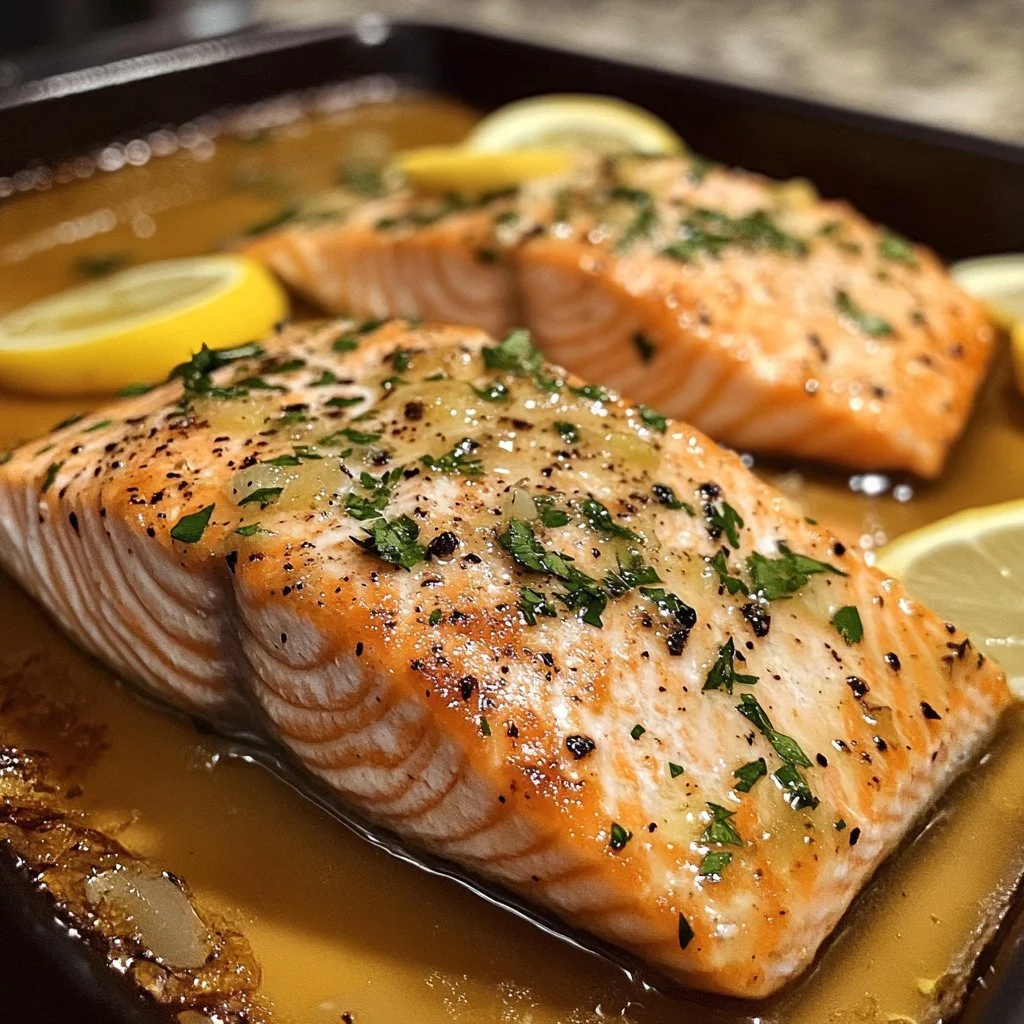
Cooking salmon can be a delightful experience filled with flavor and simplicity. I remember the first time I cooked salmon fillets in my kitchen. The aroma of the garlic mingling with the lemon juice danced through the air, coaxing my family into the dining room. It inspired me to explore more ways to elevate this nutritious fish, making it the star of our dinners.
Flaky and tender, salmon not only pleases the palate but also nourishes the body. Using minimal ingredients, like fresh herbs and zesty lemon juice, you can transform a simple meal into a culinary delight. This straightforward method of cooking salmon releases bold flavors and ensures the fish remains plentiful in healthy gains. With just a bit of olive oil and seasoning, you create a dish that impresses without excessive effort.
As we dive into the essential details of cooking salmon, keep in mind that easy exploration of flavors is possible. Even on the busiest weeknights, cooking salmon allows for quick and delicious results that make for an impressive dinner. Embrace the delicious journey ahead in cooking salmon!
Cooking Salmon: The Basics
Fundamentals
Understanding how to cook salmon effectively involves appreciating its unique properties. The texture and flavor of salmon can elevate any meal, making it a favorite in many households. The key lies in mastering basic techniques that allow the fish to shine while keeping things straightforward.
Salmon fillets remain versatile and adapt to various cooking methods. Whether you decide to bake, sauté, or grill, knowing how to handle them properly enhances your cooking experience. Baking becomes a go-to method when you’re short on time and want consistent results. The beauty of baking lies in its simplicity and the opportunity for flavor infusion.
Preparation/Setup
Start by gathering your ingredients. For baking salmon, you will need salmon fillets, olive oil, minced garlic, lemon juice, fresh herbs like dill and parsley, salt, and pepper. Preheating the oven to 375°F (190°C) ensures your salmon cooks evenly.
Once preheated, line a baking sheet with parchment paper for easy cleanup and to prevent sticking. Place the salmon fillets directly on the baking sheet, ready to receive a drizzle of olive oil. Olive oil not only keeps the fish moist but also adds a rich flavor.
Ingredients
- Salmon fillets
- Olive oil
- Minced garlic
- Lemon juice
- Fresh herbs (dill and parsley)
- Salt
- Pepper
These simple ingredients come together to create a mouthwatering dish that embodies nutrition and flavor. Each element plays a crucial role in crafting a well-rounded and satisfying meal.
Directions
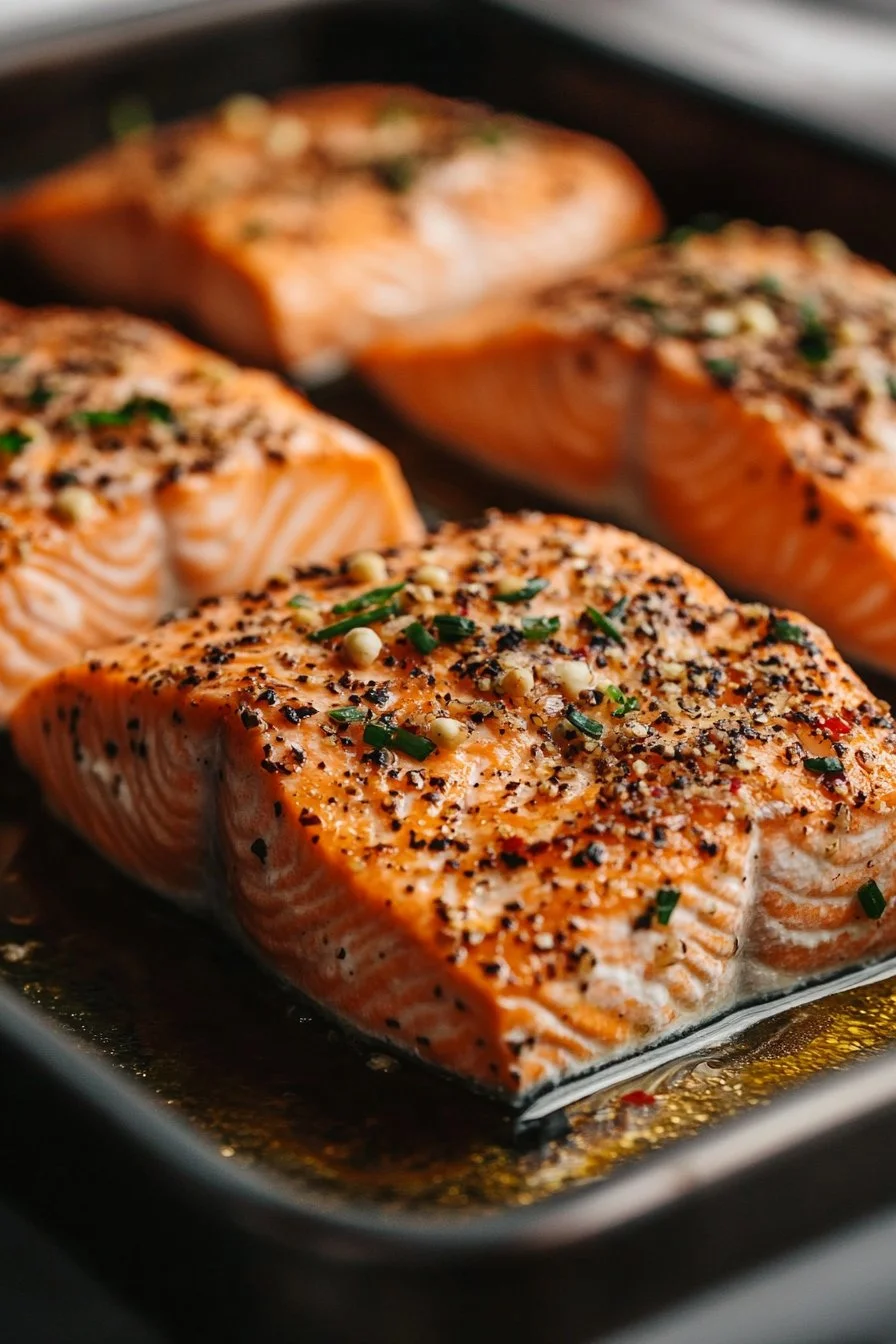
- Preheat the oven to 375°F (190°C).
- Place salmon fillets on a baking sheet.
- Drizzle with olive oil and sprinkle with minced garlic, lemon juice, salt, and pepper.
- Top with fresh herbs.
- Bake in the preheated oven for 15-20 minutes, until the salmon is cooked through and flakes easily with a fork.
Enhancing the Salmon Experience
Technique
Perfecting the art of cooking salmon involves more than just following basic instructions. Familiarize yourself with various techniques that enhance the overall experience. Using the baking method retains moisture, preserves flavor, and keeps the fish healthy without losing its nutritional value.
Experimenting with different herb combinations introduces exciting flavor profiles. Imagine the freshness of dill, combined with the vibrant zest of lemon. Techniques may vary, but each approach focuses on enhancing the salmon’s natural taste.
Tips/Tricks
A few tricks can elevate your cast into delectability. Remember never to overcook salmon, as it can dry out quickly. A good rule of thumb is to cook it for 15 to 20 minutes, depending on the thickness of your fillets.
Another tip includes letting the fish rest for a few minutes after baking. This allows the juices to redistribute, ensuring flaky goodness in each bite. Always consider your garnish if you want to impress; the vibrant colors of fresh herbs add visual appeal and enhance flavor.
Perfecting Your Cooking
Perfecting Results
Consistency is key when cooking salmon. Pay attention to the internal temperature for best results. Optimum doneness ranges around 145°F for flakiness without dryness. Using a food thermometer ensures precision, especially when trying different cooking methods.
Making adjustments based on personal preferences allows for individualization. Some may prefer a bit of zest, while others enjoy a more herbaceous flavor. Think of this as a work in progress, refining your approach with each attempt.
Troubleshooting/Variations
Navigating through the kitchen, you may experience challenges. If the salmon fillets are too dry after cooking, consider reducing the cooking time next time. On the flip side, if they remain undercooked, allow a few more minutes in the oven.
Variations can include changing up the herbs or marinating the salmon occasionally to add depth. Exploring different flavor profiles helps you discover your favorites while embracing creativity.
Presentation and Enjoyment
Serving/Presentation
Serving salmon can be as enjoyable as cooking it. Bring out the colors of fresh herbs when plating, allowing vibrant greens to contrast against the rich pink of the fish. Consider pairing it with simple sides like roasted vegetables or a refreshing salad to create a balanced plate.
Drizzle a touch of olive oil over the top as a final embellishment before serving. A sprinkle of extra herbs or lemon zest brightens the dish, making it inviting and irresistible.
Pairings/Storage
Though serving doesn’t require additional pairings, you can enhance the meal with refreshing sides like quinoa or a fresh salad. Storing leftovers becomes a breeze. Allow the salmon to cool completely before wrapping it in foil or placing it in an airtight container. Properly stored, it remains delicious for up to three days in the refrigerator.
Reheating is simple; just pop it in the oven for a few minutes to retain moisture. Enjoying the meal again provides another chance to appreciate the robust flavors and quick preparation of cooking salmon.
Cooking salmon not only satisfies hunger but also allows for a delightful expression of flavor. The process remains approachable, ensuring you can enjoy its goodness any day of the week. Embrace the flavors, explore variations, and relish the benefits of this superfood. Cooking salmon isn’t just a meal; it’s an experience that nourishes body and soul.
Print
Baked Salmon with Garlic and Herbs
- Prep Time: 10 minutes
- Cook Time: 20 minutes
- Total Time: 30 minutes
- Yield: 4 servings
- Category: Main Course
- Method: Baking
- Cuisine: American
- Diet: Paleo
Description
A simple and flavorful recipe for baking salmon fillets with garlic, lemon juice, and fresh herbs.
Ingredients
- 4 salmon fillets
- 2 tablespoons olive oil
- 2 cloves minced garlic
- 2 tablespoons lemon juice
- 2 tablespoons fresh dill, chopped
- 2 tablespoons fresh parsley, chopped
- Salt, to taste
- Pepper, to taste
Instructions
- Preheat the oven to 375°F (190°C).
- Place salmon fillets on a baking sheet lined with parchment paper.
- Drizzle with olive oil and sprinkle with minced garlic, lemon juice, salt, and pepper.
- Top with fresh herbs.
- Bake in the preheated oven for 15-20 minutes, until the salmon is cooked through and flakes easily with a fork.
Notes
Let the salmon rest for a few minutes after baking to allow the juices to redistribute for better flavor and texture.