
📑 Table of Contents ▶
Coconut Shrimp Curry
Cooking with shrimp has always excited me. The vibrant flavors and quick cooking time make it an ideal choice for busy evenings. I remember the first time I tried making a coconut shrimp curry. The combination of spices and creamy coconut milk enveloped the shrimp in a warmth that instantly transported me to a tropical paradise.
Every bite of coconut shrimp curry bursts with flavors. The delightful turmeric, earthy curry powder, and the sweetness of coconut milk create a deliciously harmonious dish. With just a handful of simple ingredients, this recipe weaves together comfort and a dash of elegance.
Coconut shrimp curry not only satisfies the palate but also warms the soul. It’s perfect for cozy nights in or for impressing guests with a homemade dish that feels like a culinary adventure. Let’s get started on creating this exquisite meal that delivers a true taste of the tropics.
Understanding Coconut Shrimp Curry
Fundamentals
Coconut shrimp curry serves as a perfect introduction to cooking with seafood. Its simplicity makes it a fantastic dish for cooks at any skill level. The star of this dish is undoubtedly the shrimp, which absorbs the flavors of spices and coconut beautifully.
One of the essential elements of this dish is the spice blend, which infuses the shrimp with rich flavor. Turmeric offers an earthy base, while the combination of curry powder, ground coriander, and chili adds depth and warmth. Coconut milk rounds off the dish with its creamy texture and sweetness.
Preparation/Setup
Prepare your ingredients before diving into cooking. Clean and shelve the shrimp, ensuring they are ready to absorb the curry flavors. Dice the red onion and tomatoes and mince the garlic. Visualize everything in your mise en place; this smooths the cooking process and enhances your culinary experience.
Gather all ingredients within arm’s reach. Setting up your workspace makes cooking easier and reduces fuss during the cooking process.
Ingredients
- 500 g raw shrimp or prawns, shelled and clean
- 2 tsp turmeric
- Salt (to taste)
- 2 tbsp vegetable oil
- 1 stick cinnamon
- ½ red onion, finely diced
- 3 garlic cloves, minced or finely grated
- ½ tsp red chili flakes (adjust to taste)
- 3 tsp curry powder
- 1 tsp ground coriander seeds
- 2 tsp ground chili or spicy paprika
- 2 tomatoes, peeled and finely diced
- 200 ml water
- 150 ml coconut milk (canned, unsweetened)
- 8 basil leaves (use small ones for less splattering)
Directions
- Heat 2 tablespoons of vegetable oil in a heavy-bottomed pan over medium heat. Once hot, add the stick of cinnamon and sauté for about a minute until fragrant.
- Add the finely diced red onion to the pan and cook until translucent, about 3-4 minutes. Stir frequently to prevent burning.
- Incorporate the minced garlic, turmeric, and red chili flakes. Sauté for another minute, letting the spices release their aromas.
- Add the curry powder, ground coriander seeds, and ground chili. Mix well and allow the spices to cook for another minute.
- Stir in the diced tomatoes and season with salt. Cook until the tomatoes break down, about 5 minutes.
- Pour in the water and coconut milk. Stir to combine, bringing the mixture to a gentle simmer.
- Add the cleaned shrimp to the pan and cook for approximately 5-7 minutes, or until the shrimp turns pink and opaque. Be cautious not to overcook the shrimp.
- Remove the curry from heat and gently fold in the basil leaves. Adjust seasoning as necessary.
Enhancing Coconut Shrimp Curry
Technique
Cooking shrimp to perfection requires attention. The goal is to keep them tender and juicy without overcooking. Start with a medium heat while sautéing and gradually build your spices before introducing the liquids.
Consider using fresh shrimp when available, as they have a more profound flavor. The cooking technique emphasizes keeping the shrimp’s natural sweetness and allowing it to blend seamlessly with the spices.
Tips/Tricks
Opt for unsweetened coconut milk to ensure the curry stays balanced and not overly sweet. Also, don’t shy away from customizing the spice level; adjust the red chili flakes based on your heat preference.
Let the curry simmer gently rather than boiling vigorously. This method allows the flavors to meld beautifully without compromising the shrimp’s tenderness.
Perfecting Coconut Shrimp Curry
Perfecting Results
To achieve the best results, taste the curry as you cook. Adjust the seasoning with salt and spices according to your preferences. Keeping the tomatoes at the forefront ensures a comforting base while balancing the curry’s richness.
If you enjoy a thicker consistency, allow the curry to reduce a little longer before adding the shrimp. This method enhances the flavors further and creates a rich sauce that clings to every bite of shrimp.
Troubleshooting/Variations
Sometimes, the curry could turn out too runny. In this case, simmering it a bit longer can help thicken it. Alternatively, you can incorporate a small amount of cornstarch mixed with water to reach your desired thickness.
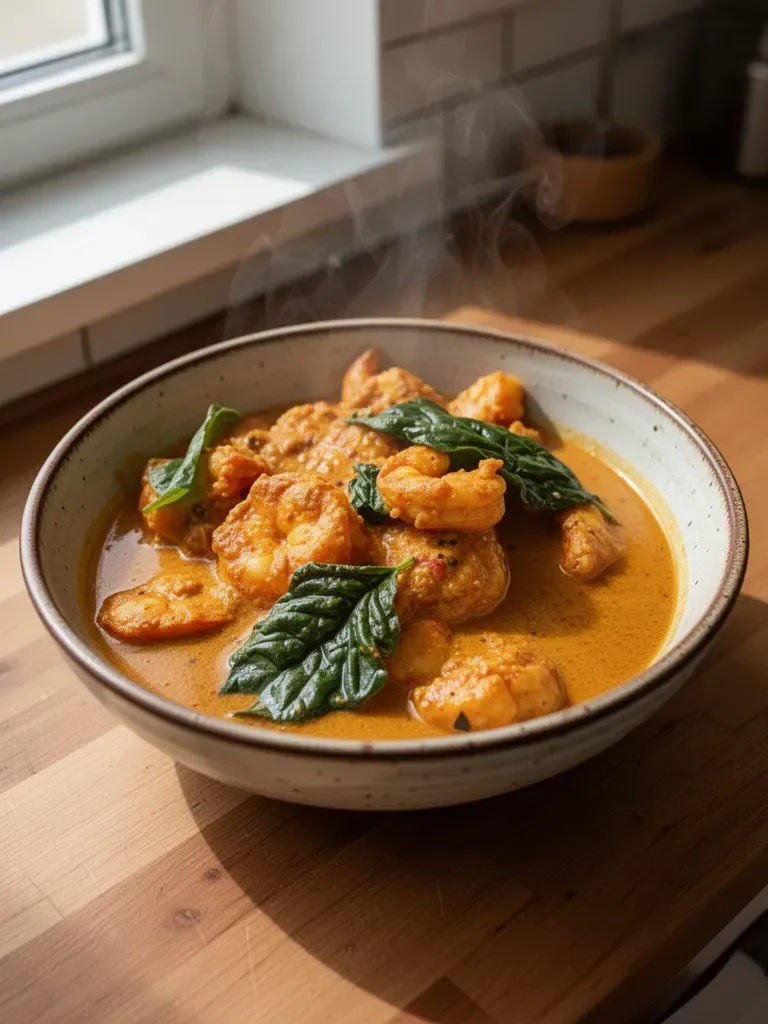
For variations, try adding vegetables such as bell peppers or spinach for extra nutrition, or consider using different seafood for an exciting twist. Coconut shrimp curry is versatile, making it easy to modify based on your taste and what’s available in your pantry.
Serving Coconut Shrimp Curry
Serving/Presentation
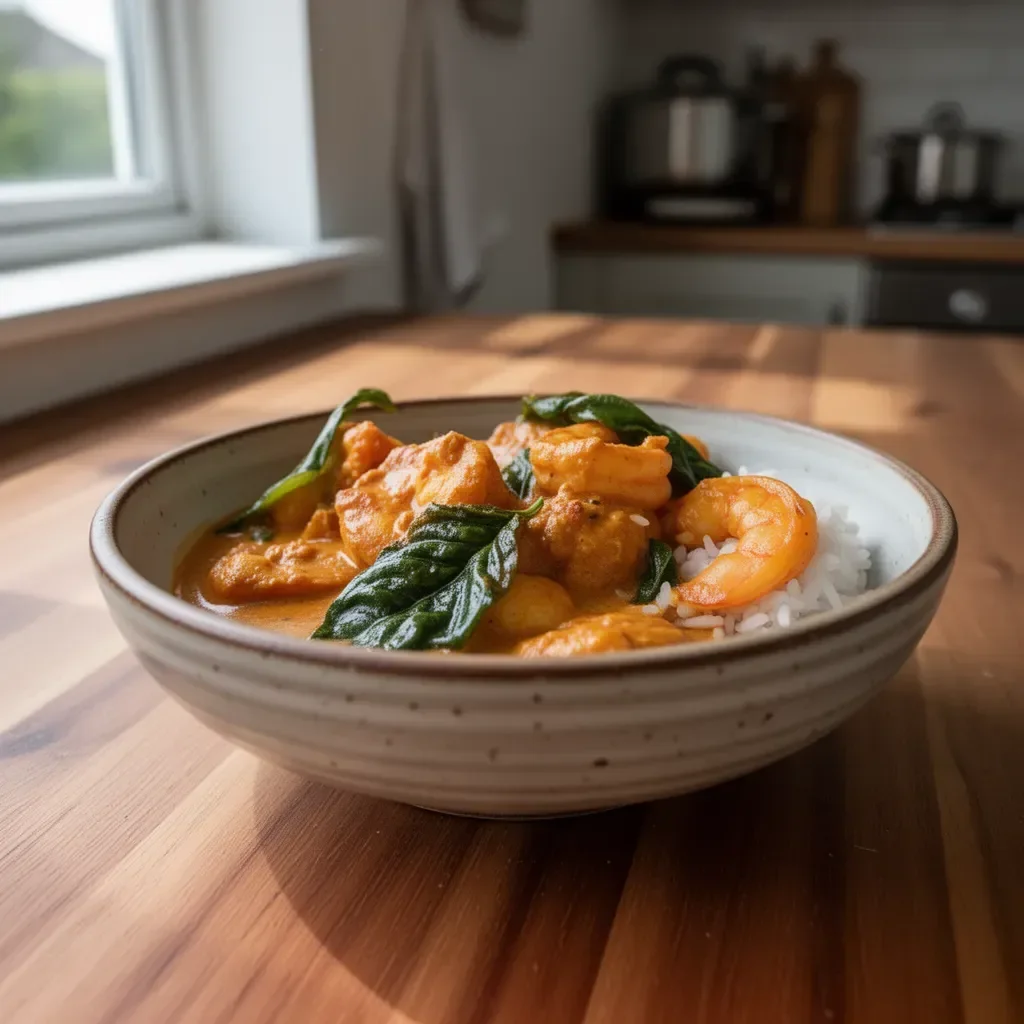
Serve coconut shrimp curry warm, spooned over rice or alongside flatbreads. A sprinkle of fresh herbs, such as cilantro or extra basil, can elevate your dish and add a pop of color.
For an authentic touch, consider serving with lime wedges on the side. The fresh citrus adds brightness and complements the rich flavors beautifully.
Pairings/Storage
This delightful dish pairs well with steamed jasmine rice or quinoa. For a lighter option, serve with a fresh salad topped with a tangy vinaigrette.
Leftovers can last in the fridge for a few days. Store the curry in an airtight container to maintain its freshness. Reheat on the stovetop or in the microwave for a quick meal.
Coconut shrimp curry offers a delicious escape into tropical flavors, providing a satisfying meal that brings joy to busy weeknights or special gatherings. Enjoy every delightful bite without worries, knowing that comfort food can also be healthy and easy to prepare.
Print
Coconut Shrimp Curry
- Prep Time: 15 minutes
- Cook Time: 20 minutes
- Total Time: 35 minutes
- Yield: 4 servings
- Category: Main Course
- Method: Stovetop
- Cuisine: Indian
- Diet: Gluten-Free
Description
A delightful and creamy coconut shrimp curry infused with rich spices, perfect for busy evenings or impressing guests.
Ingredients
- 500 g raw shrimp or prawns, shelled and clean
- 2 tsp turmeric
- Salt (to taste)
- 2 tbsp vegetable oil
- 1 stick cinnamon
- ½ red onion, finely diced
- 3 garlic cloves, minced or finely grated
- ½ tsp red chili flakes (adjust to taste)
- 3 tsp curry powder
- 1 tsp ground coriander seeds
- 2 tsp ground chili or spicy paprika
- 2 tomatoes, peeled and finely diced
- 200 ml water
- 150 ml coconut milk (canned, unsweetened)
- 8 basil leaves (use small ones for less splattering)
Instructions
- Heat 2 tablespoons of vegetable oil in a heavy-bottomed pan over medium heat. Once hot, add the stick of cinnamon and sauté for about a minute until fragrant.
- Add the finely diced red onion to the pan and cook until translucent, about 3-4 minutes. Stir frequently to prevent burning.
- Incorporate the minced garlic, turmeric, and red chili flakes. Sauté for another minute, letting the spices release their aromas.
- Add the curry powder, ground coriander seeds, and ground chili. Mix well and allow the spices to cook for another minute.
- Stir in the diced tomatoes and season with salt. Cook until the tomatoes break down, about 5 minutes.
- Pour in the water and coconut milk. Stir to combine, bringing the mixture to a gentle simmer.
- Add the cleaned shrimp to the pan and cook for approximately 5-7 minutes, or until the shrimp turns pink and opaque. Be cautious not to overcook the shrimp.
- Remove the curry from heat and gently fold in the basil leaves. Adjust seasoning as necessary.
Notes
Serve warm over rice or alongside flatbreads. Consider garnishing with fresh herbs and lime wedges for an authentic touch.