
📑 Table of Contents ▶
Ceviche
Fresh seafood brings vibrant flavors and memories of sun-soaked beaches. Ceviche, a delightful dish often associated with coastal cuisine, highlights this magic. Many summer days, I found myself gathered with friends, the tangy scent of lime wafting through the air as we enjoyed freshly made ceviche. Each bite offered a refreshing punch that perfectly complemented our laughter and stories.
Crafting ceviche feels like a celebration of fresh ingredients. The combination of high-quality seafood, zesty lime, and aromatic herbs creates a symphony of flavors. Not only is ceviche delicious, but it also represents a cooking style that thrives on bright, natural tastes. The mixture of seafood and herbs dances on the palate, making every bite an experience.
As the temperatures rise, ceviche takes center stage. Its appeal lies in its ease and versatility. You can enjoy it as an appetizer, meal, or a light snack at any gathering. Ceviche adapts to personal tastes, allowing each cook to put their unique spin on this classic dish while staying rooted in tradition.
In this guide, we’ll dive into the essentials of preparing ceviche, ensuring you can recreate that perfect balance of flavors at home. Let’s explore what makes this dish a favorite for so many!
The Basics of Ceviche
Fundamentals
Ceviche revolves around fresh seafood, and understanding its fundamentals can elevate your cooking game. Choose seafood that is at its finest and fits your taste preferences—fish, shrimp, scallops, or a mix all provide unique textures and flavors. The quality of seafood dictates the success of your ceviche, so source fresh ingredients whenever possible.
Lime or lemon juice plays a crucial role in ceviche. It not only adds flavor but also cooks the seafood through a process known as denaturation. This makes ceviche a unique dish where you don’t actually cook the seafood with heat. Instead, the citrus transforms its texture and flavor profile, giving it that fresh, zesty bite we all love.
Preparation/Setup
Preparing ceviche is straightforward if you follow a few simple steps. Start with high-quality seafood, thoroughly cleaned and cut into small pieces. Ensure you use a clean glass or ceramic bowl to avoid any chemical reactions, which can occur with metal bowls.
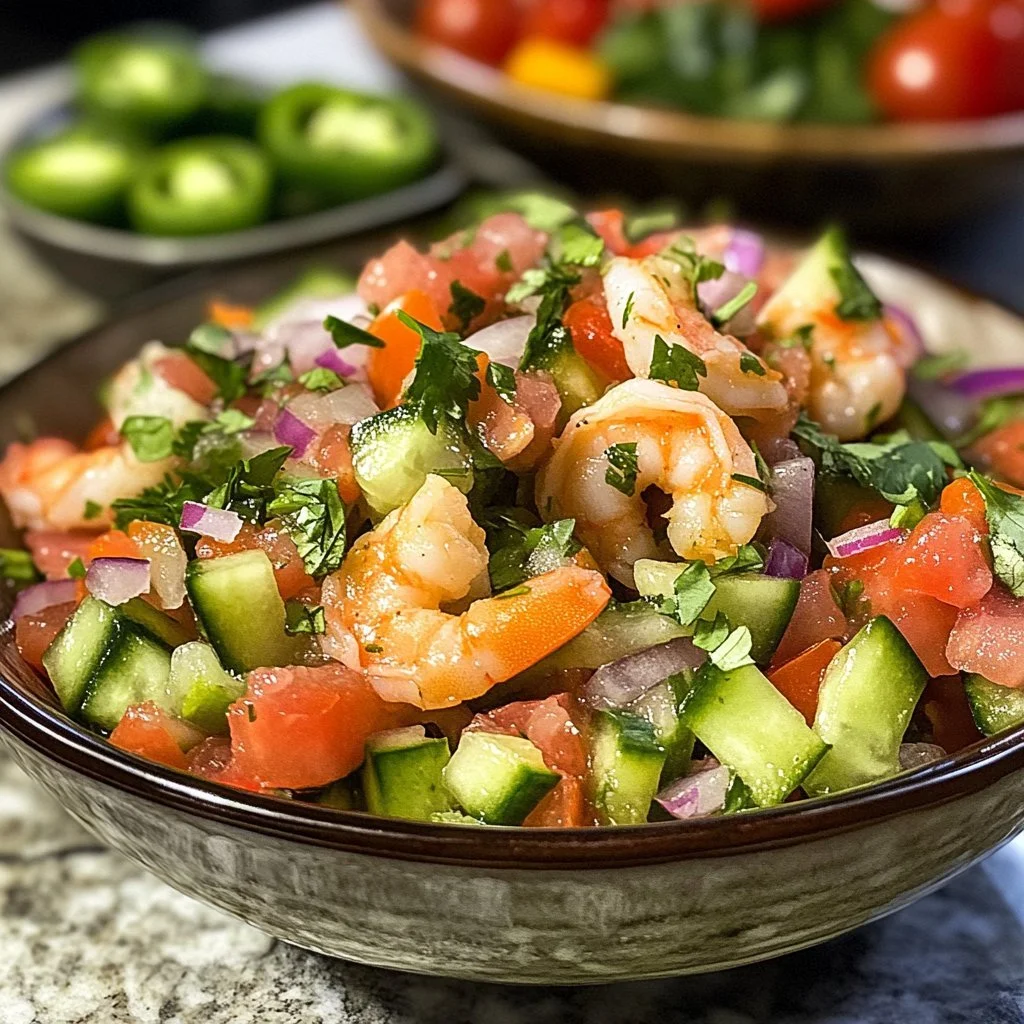
Once you have all your ingredients ready, the next step is simple. Pour fresh lime or lemon juice over the seafood in your bowl. This will be the base of your ceviche, infusing the seafood with flavor and ensuring it "cooks" properly. Adding chopped red onion, diced tomatoes, chopped cilantro, and optional ingredients like avocado or jalapeños makes your ceviche even more delightful.
Ingredients
- Fresh seafood (fish, shrimp, scallops, or a mix)
- Fresh lime or lemon juice
- Chopped red onion
- Diced tomatoes (optional)
- Chopped cilantro
- Diced avocado (optional)
- Salt and pepper to taste
- Sliced jalapeños (optional, for spice)
Directions
- Start with high-quality seafood, thoroughly cleaned and cut into small pieces.
- Place the seafood in a glass or ceramic bowl and pour fresh lime or lemon juice over it.
- Add chopped red onion, diced tomatoes, chopped cilantro, and optional ingredients like avocado or jalapeños.
- Season with salt and pepper, mixing everything gently.
- Cover the bowl and refrigerate for a minimum of thirty minutes or until the seafood appears opaque.
- Serve chilled with tortilla chips or atop lettuce leaves for a crisp bite.
Perfecting Your Ceviche
Technique
Technique is essential in achieving the perfect ceviche. The way you combine ingredients and the timing of marination can dramatically affect the outcome. When adding lime or lemon juice, ensure you have enough acid to cover all the seafood; this is key to cooking it properly.
After marinating, check the seafood’s texture. If it doesn’t appear opaque, let it sit a bit longer. The goal is to ensure each piece of seafood is "cooked" through the acid without becoming rubbery. Mixing gently retains the integrity of the seafood while blending the flavors.
Tips and Tricks
Experiment with different seafood combinations. While traditional recipes often call for one type of seafood, a mix of shrimp, fish, and scallops can create a more complex flavor profile. Similarly, adjusting the level of spice with jalapeños can tailor the dish to your preferences.
Always taste throughout the preparation process. Ceviche should balance the bright acidity of lime, the savory depth of red onion, and the freshness of herbs like cilantro. Adjust seasoning as needed, adding more lime, salt, or pepper to suit your palate.
Mastering the Art of Ceviche
Perfecting Results
Perfecting ceviche takes practice, but certain guidelines can help. Make sure to use seafood that is as fresh as possible. If you’re unsure about freshness, consider using previously frozen seafood that has been thawed properly. This can often be a safer choice, as freezing kills parasites.
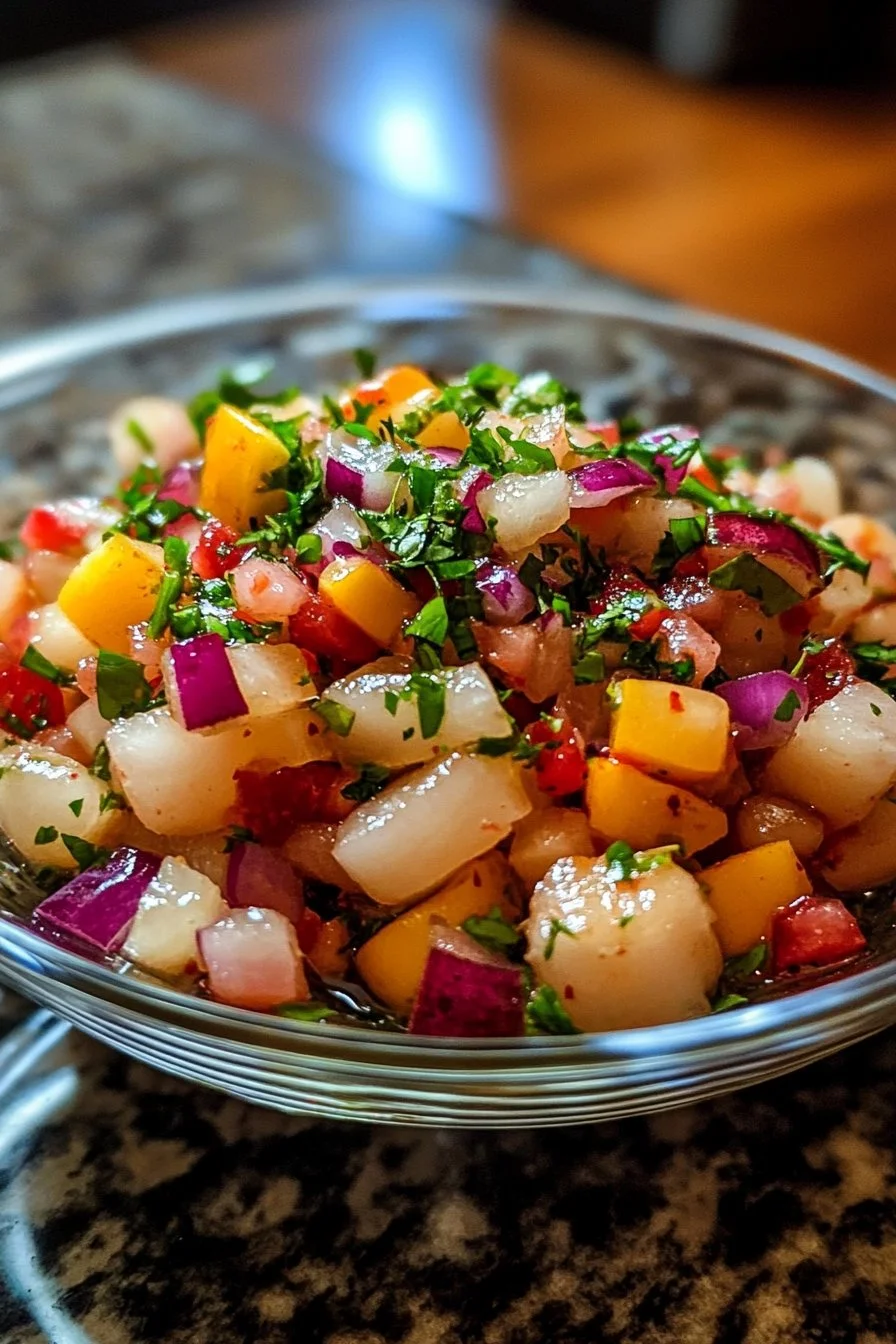
A good ceviche should embody freshness in both taste and appearance. Using colorful ingredients like ripe tomatoes and green avocado not only enhances flavor but also visually elevates the dish. The presentation matters; consider serving the ceviche in an elegant glass for an appealing look.
Troubleshooting and Variations
If you find your ceviche tastes too sour, try adding a bit of sweetness with a dash of honey or a sprinkle of sugar. Alternatively, if it lacks depth, consider adding more salt or a pinch of paprika for extra flavor.
Variations abound for those willing to venture outside traditional recipes. Try swapping in tropical fruits like mango or pineapple for a fruity twist. These add a unique sweetness that complements the citrus acidity beautifully.
Serving and Presentation
Serving Ceviche
Ceviche shines best when served fresh. Present it chilled, garnished with additional cilantro or a slice of avocado on top. Use tortilla chips for dipping or serve it in lettuce leaves for a refreshing, gluten-free option. The idea is to create a vibrant display that invites guests to dig in.
Pairings and Storage
Complement ceviche with fresh, crisp sides. Think sliced cucumbers, crunchy jicama, or a simple green salad. These light sides balance the bold flavors of the ceviche.
When it comes to storage, keep ceviche in the refrigerator and consume it within a day or two. The longer it sits, the more the seafood continues to "cook." While the flavors will deepen, the texture might lose its freshness, so always aim to enjoy ceviche as soon as you can!
Ceviche brings a taste of the sea to your kitchen and is perfect for warm days. Understanding the fundamentals and perfecting your technique will make every serving a delight. Experience the joyful process of creating this refreshing dish, and relish the flavors and memories it evokes.
Print
Ceviche
- Prep Time: 15 minutes
- Cook Time: 30 minutes
- Total Time: 45 minutes
- Yield: 4 servings
- Category: Appetizer
- Method: Marinating
- Cuisine: Coastal
- Diet: Gluten-Free
Description
A refreshing seafood dish marinated in lime or lemon juice, perfect for summer gatherings.
Ingredients
- Fresh seafood (fish, shrimp, scallops, or a mix)
- Fresh lime or lemon juice
- Chopped red onion
- Diced tomatoes (optional)
- Chopped cilantro
- Diced avocado (optional)
- Salt and pepper to taste
- Sliced jalapeños (optional, for spice)
Instructions
- Start with high-quality seafood, thoroughly cleaned and cut into small pieces.
- Place the seafood in a glass or ceramic bowl and pour fresh lime or lemon juice over it.
- Add chopped red onion, diced tomatoes, chopped cilantro, and optional ingredients like avocado or jalapeños.
- Season with salt and pepper, mixing everything gently.
- Cover the bowl and refrigerate for a minimum of thirty minutes or until the seafood appears opaque.
- Serve chilled with tortilla chips or atop lettuce leaves for a crisp bite.
Notes
Experiment with different seafood combinations and adjust seasoning throughout the preparation process.