
📑 Table of Contents ▶
- Canned Salmon with Pasta: Fundamentals
- Preparation/Setup
- Directions
- Canned Salmon with Rigatoni: Technique & Tips
- Technique
- Tips/Tricks
- Canned Salmon and Pasta: Perfecting Results
- Perfecting Results
- Troubleshooting/Variations
- Canned Salmon with Pasta: Serving and Storage
- Serving/Presentation
- Pairings/Storage
- Conclusion
Canned Salmon with Pasta
Discovering quick meal solutions often leads to unexpected delights. Canned salmon with pasta is one such revelation that combines convenience with flavor. On busy weeknights, when time seems to slip away, this dish emerges as a lifesaver. The appeal lies not just in its speed, but also in the delightful taste and nutritional benefits.
Picture this: a bustling kitchen filled with the aroma of garlic and sautéed spinach. With just a few staple ingredients, you can whip up a satisfying meal that pleases both the palate and the conscience. Canned salmon offers protein and omega-3 fatty acids, making this dish not only quick and easy but also wholesome.
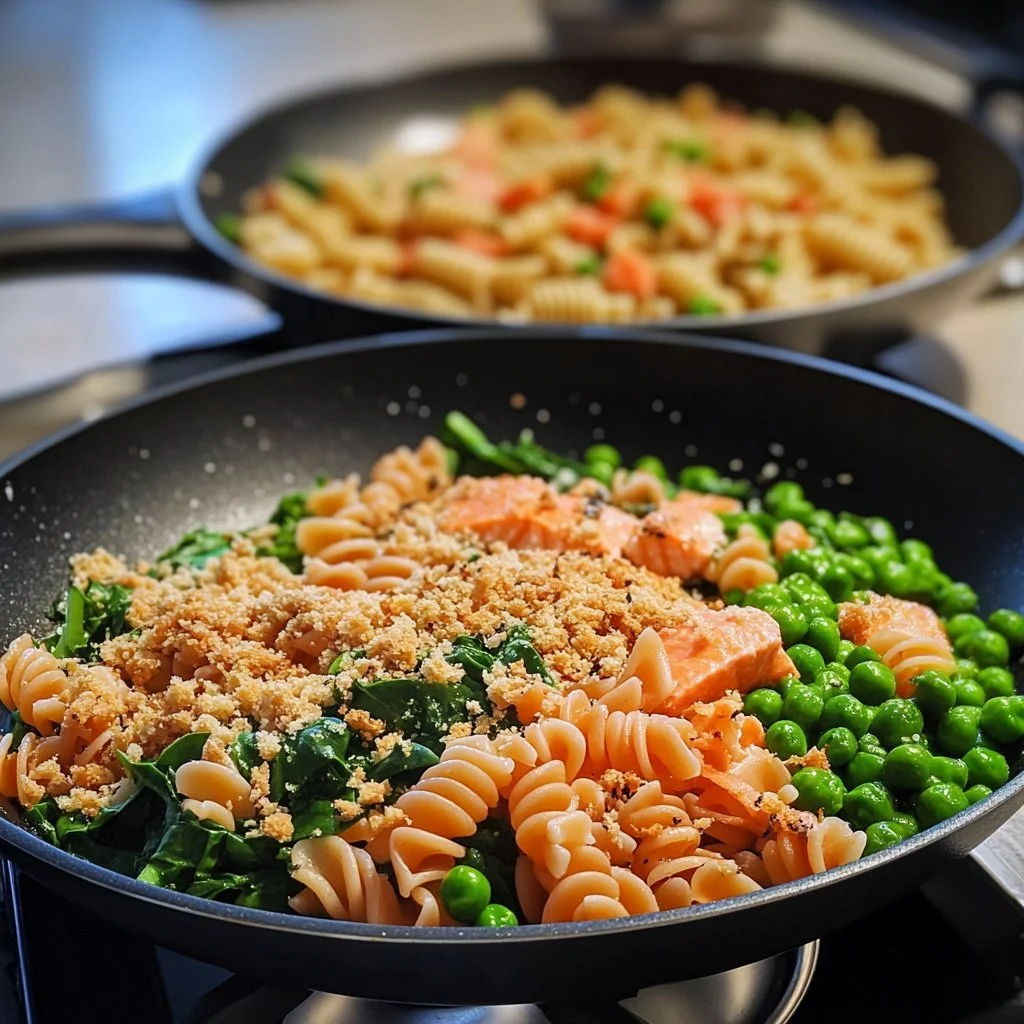
This recipe embraces the goodness of rigatoni, vibrant greens, and the zesty brightness of lemon. With every bite, you experience a medley of textures and flavors that make canned salmon with pasta a family favorite. Here’s how to turn simple ingredients into a hearty meal that’s ready in no time.
Canned Salmon with Pasta: Fundamentals
Creating a delightful dish begins with understanding the fundamentals. Canned salmon with pasta marries rich flavors and nutrition seamlessly. The key lies in selecting quality ingredients that enhance the final product.
Rigatoni serves as a solid base for its ability to hold onto sauces and flavors. This dish shines with the combination of canned salmon and fresh ingredients like spinach and basil. Moreover, lemon adds a refreshing twang, balancing the richness of the salmon.
Preparation/Setup
Preparation plays a pivotal role in cooking efficiently. Start by gathering your ingredients: rigatoni, olive oil, minced garlic, baby spinach, canned salmon, lemon, frozen peas, parmesan, and fresh basil. Having everything at hand streamlines your cooking process.
Begin by heating a skillet on medium heat. The smell of sautéing garlic fills the room, beckoning appetites. With just a few minutes of sautéing spinach, you’ll have a vibrant and nutritious addition to the pasta.
Ingredients
For the recipe, you will need:
- 3 cups rigatoni
- 2 tablespoons olive oil
- 2 tablespoons minced garlic
- 312 grams baby spinach (11 ounces, 1 container)
- Salt and pepper (to taste)
- 2 cans salmon (skinless and boneless, no salt added, drained)
- 1 lemon (juiced and zested)
- 1 cup frozen peas
- ¼ cup grated parmesan (or more)
- ¼ cup fresh basil (ribboned)
Directions
-
Heat a skillet with 1 tablespoon of olive oil over medium heat. Add minced garlic and sauté until fragrant, about 1 minute.
-
Add baby spinach to the skillet and sauté until wilted, about 2-3 minutes. Season with salt and pepper.
-
Boil a large pot of salted water. Cook rigatoni until al dente, according to package instructions. Drain, reserving 1 cup of pasta water.
-
In the skillet, combine cooked pasta, drained salmon, lemon zest, lemon juice, parmesan, and frozen peas. Add ½ cup reserved pasta water and remaining olive oil, tossing until well combined.
-
Adjust consistency with more pasta water if necessary. Top with fresh basil and serve.
Canned Salmon with Rigatoni: Technique & Tips
Mastering the technique of cooking canned salmon with pasta enhances your culinary skills. This recipe’s simplicity invites creativity and improvisation.
Technique
Utilizing the right technique can elevate your dish. Cooking the garlic until fragrant before adding spinach ensures that the flavors meld beautifully. This step lays the groundwork for a robust flavor profile in your pasta.
When cooking rigatoni, keeping an eye on the timing guarantees the perfect texture—al dente pasta maintains a delightful bite amongst the other soft ingredients.
Tips/Tricks
Experimenting with available ingredients can lead to delightful surprises. Some may prefer to add more vegetables for a heartier meal. Zucchini, bell peppers, or even artichokes can easily find their way into this dish.
If you desire a hint of heat, incorporating red pepper flakes while sautéing garlic can add a kick. Remember, each twist on this classic can yield exciting new flavors.
Canned Salmon and Pasta: Perfecting Results
Perfecting results in the kitchen often comes down to attention to detail. You want each ingredient to shine while contributing to the overall harmony of the dish.
Perfecting Results
To create a well-rounded flavor, don’t skimp on the seasonings. Taste along the way; adequate salt and pepper make all the difference. The combination of lemon juice and zest enhances the freshness, tying the flavors together.
You can also consider the temperature of the dish. Serving it warm not only enhances the flavors but ensures that the ingredients meld together beautifully.
Troubleshooting/Variations
In case of an ingredient that doesn’t meet expectations, flexibility allows for delicious alternatives. If you don’t have fresh basil, try parsley or even spinach ribbons for garnish.
When using canned salmon, ensure it’s drained well to avoid excess moisture. An overabundance may affect the final texture of your pasta dish.
Canned Salmon with Pasta: Serving and Storage
Presentation and serving are critical elements of any meal. Canned salmon with pasta deserves a spot on your table that celebrates its flavor and vibrant colors.
Serving/Presentation
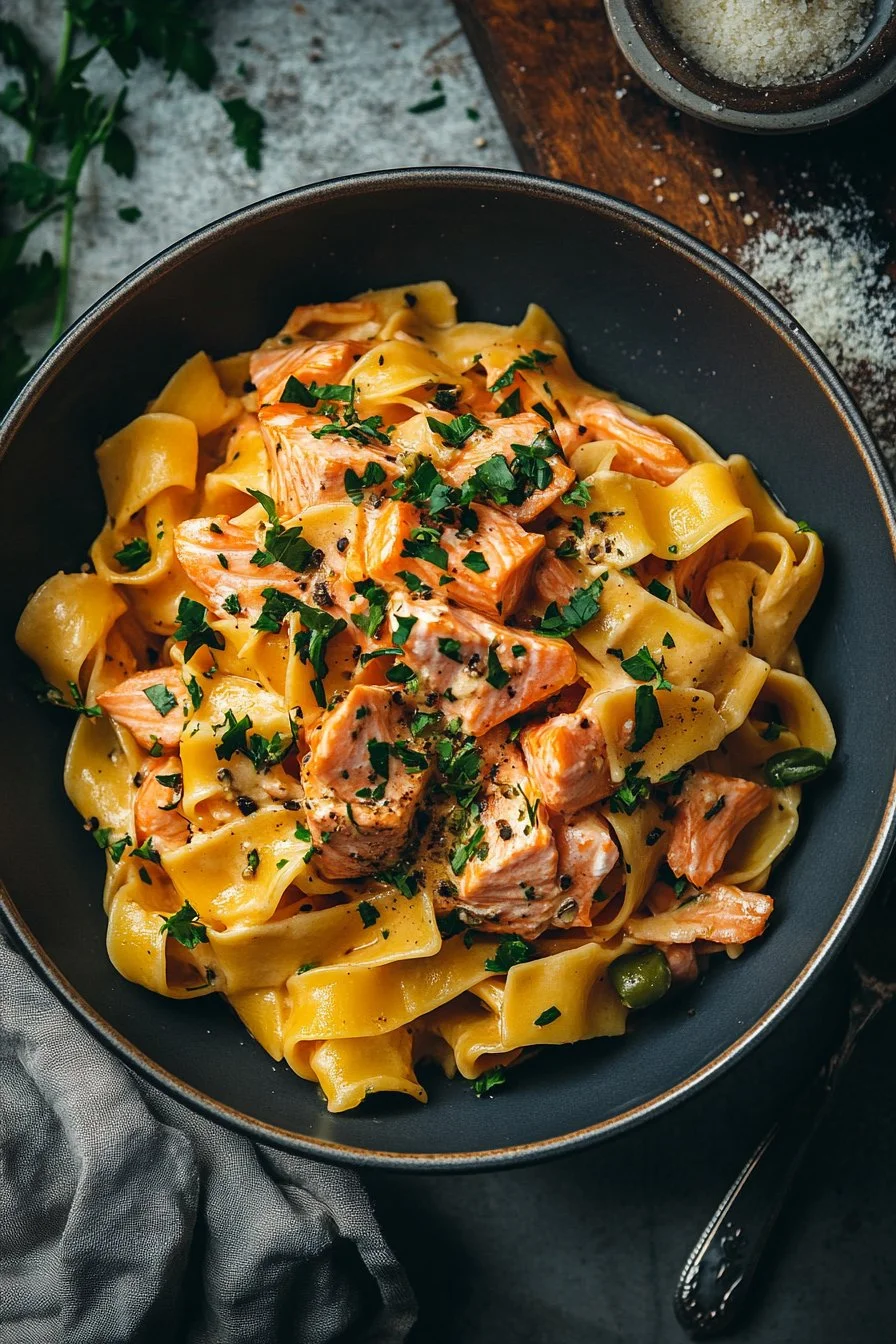
Presenting the dish beautifully elevates the dining experience. A sprinkle of freshly grated parmesan and a handful of ribboned basil on top brings visual appeal. Serve the pasta in wide bowls, allowing the ingredients to shine against the plate.
Pairings/Storage
For pairing, consider fresh salads or crusty bread. A side of roasted vegetables balances the meal perfectly.
When it comes to storage, leftovers can easily be refrigerated for another meal. Ensure they cool before transferring to an airtight container. This dish maintains its flavor and texture well for a couple of days, making it perfect for meal prep.
Conclusion
Canned salmon with pasta emerges as a delightful solution for busy evenings. Emphasizing simplicity without sacrificing flavor, this dish showcases how delightful meals can come together quickly. The combination of nutrition and taste makes it a family-friendly favorite. With clear techniques and creativity, you can transform canned salmon into a beloved dish that nourishes both body and soul. Enjoy the richness of canned salmon with the heartiness of pasta, and let your culinary adventure begin.
Print
Canned Salmon with Pasta
- Prep Time: 10 minutes
- Cook Time: 20 minutes
- Total Time: 30 minutes
- Yield: 4 servings
- Category: Main Course
- Method: Sautéing
- Cuisine: Mediterranean
- Diet: Pescatarian
Description
A quick and wholesome meal combining canned salmon, rigatoni, and vibrant greens, perfect for busy weeknights.
Ingredients
- 3 cups rigatoni
- 2 tablespoons olive oil
- 2 tablespoons minced garlic
- 312 grams baby spinach (11 ounces, 1 container)
- Salt and pepper (to taste)
- 2 cans salmon (skinless and boneless, no salt added, drained)
- 1 lemon (juiced and zested)
- 1 cup frozen peas
- ¼ cup grated parmesan (or more)
- ¼ cup fresh basil (ribboned)
Instructions
- Heat a skillet with 1 tablespoon of olive oil over medium heat. Add minced garlic and sauté until fragrant, about 1 minute.
- Add baby spinach to the skillet and sauté until wilted, about 2-3 minutes. Season with salt and pepper.
- Boil a large pot of salted water. Cook rigatoni until al dente, according to package instructions. Drain, reserving 1 cup of pasta water.
- In the skillet, combine cooked pasta, drained salmon, lemon zest, lemon juice, parmesan, and frozen peas. Add ½ cup reserved pasta water and remaining olive oil, tossing until well combined.
- Adjust consistency with more pasta water if necessary. Top with fresh basil and serve.
Notes
Experiment with additional vegetables like zucchini or bell peppers, or add red pepper flakes for heat.