
📑 Table of Contents ▶
Baked Teriyaki Salmon
Creating flavorful dishes doesn’t have to be complicated or time-consuming. When it comes to quick and delicious meals, I often find myself gravitating toward Baked Teriyaki Salmon. There’s something so comforting about the vibrant flavors of teriyaki sauce complementing the rich, buttery taste of salmon. It feels like a warm hug on a plate.
In my bustling kitchen, Baked Teriyaki Salmon stands out as a favorite. The quick preparation lets me spend more time with my family rather than slaving away in the kitchen. The delightful aroma of garlic and soy sauce fills the air as the salmon bakes, inviting everyone to the table. The best part? The simple yet hearty nature of this dish aligns perfectly with both everyday dinners and special occasions.
Once you master the technique of Baked Teriyaki Salmon, it becomes a go-to recipe. This dish not only pleases the palate but also provides essential nutrients, making it a guilt-free option for busy evenings. Let’s dive into the delicious world of Baked Teriyaki Salmon.
Unlocking the Flavors of Baked Teriyaki Salmon
Fundamentals
Baked Teriyaki Salmon revolves around a few key components—salmon fillets, a tantalizing marinade, and an effective cooking method. The essence of teriyaki lies in its balance of sweetness and umami, achieved through ingredients like low-sodium soy sauce and brown sugar. By opting for low-sodium soy sauce, you maintain flavor without overwhelming the dish with salt.
The marinade infuses the salmon with deep flavors. The garlic adds a savory punch, while the rice vinegar and sesame oil complete this flavor profile. Together, they create a delicious harmony that perfectly aligns with the salmon’s natural taste.
Understanding the role of each ingredient helps you appreciate the artistry behind Baked Teriyaki Salmon. This dish allows flexibility; feel free to adjust the marinade components to your preferences.
Preparation/setup
Before you begin cooking, ensure you have everything set up for an easy, breezy meal. Start by preheating your oven to 400°F (200°C). This temperature provides a sweet spot for cooking the salmon without drying it out. A properly preheated oven allows the salmon to cook evenly and create that perfect flaky texture.
Next, go ahead and spray a baking dish with nonstick cooking spray. This step prevents the salmon from sticking and aids in easy cleanup, making your cooking experience even smoother.
Now, gather your ingredients. The combination of 1/4 cup low-sodium soy sauce, 2 tablespoons of brown sugar, 3 minced cloves of garlic, 2 tablespoons of rice vinegar, and 1 teaspoon of sesame oil acts as your marinade. Mixing these ingredients will create a cohesive sauce that enhances the salmon beautifully.
Ingredients
For Baked Teriyaki Salmon, gather:
- 4 salmon fillets (6 oz each)
- 1/4 cup low-sodium soy sauce
- 2 tbsp brown sugar
- 3 cloves garlic, minced
- 2 tbsp rice vinegar
- 1 tsp sesame oil
Having quality ingredients makes all the difference. Fresh salmon fillets hold moisture better and provide a richer flavor. Whenever possible, purchases from local fisheries support sustainable practices.
Directions
- Preheat your oven to 400°F (200°C) and spray a baking dish with nonstick cooking spray.
- In a small bowl, whisk together soy sauce, brown sugar, minced garlic, rice vinegar, and sesame oil until well combined.
- Place the salmon fillets skin-side down in the baking dish and pour half of the marinade over them. Let them marinate for at least 15 minutes.
- Bake for about 15-20 minutes or until the salmon flakes easily with a fork.
- Drizzle with the remaining marinade before serving alongside steamed rice or vegetables.
Perfecting Baked Teriyaki Salmon
Technique
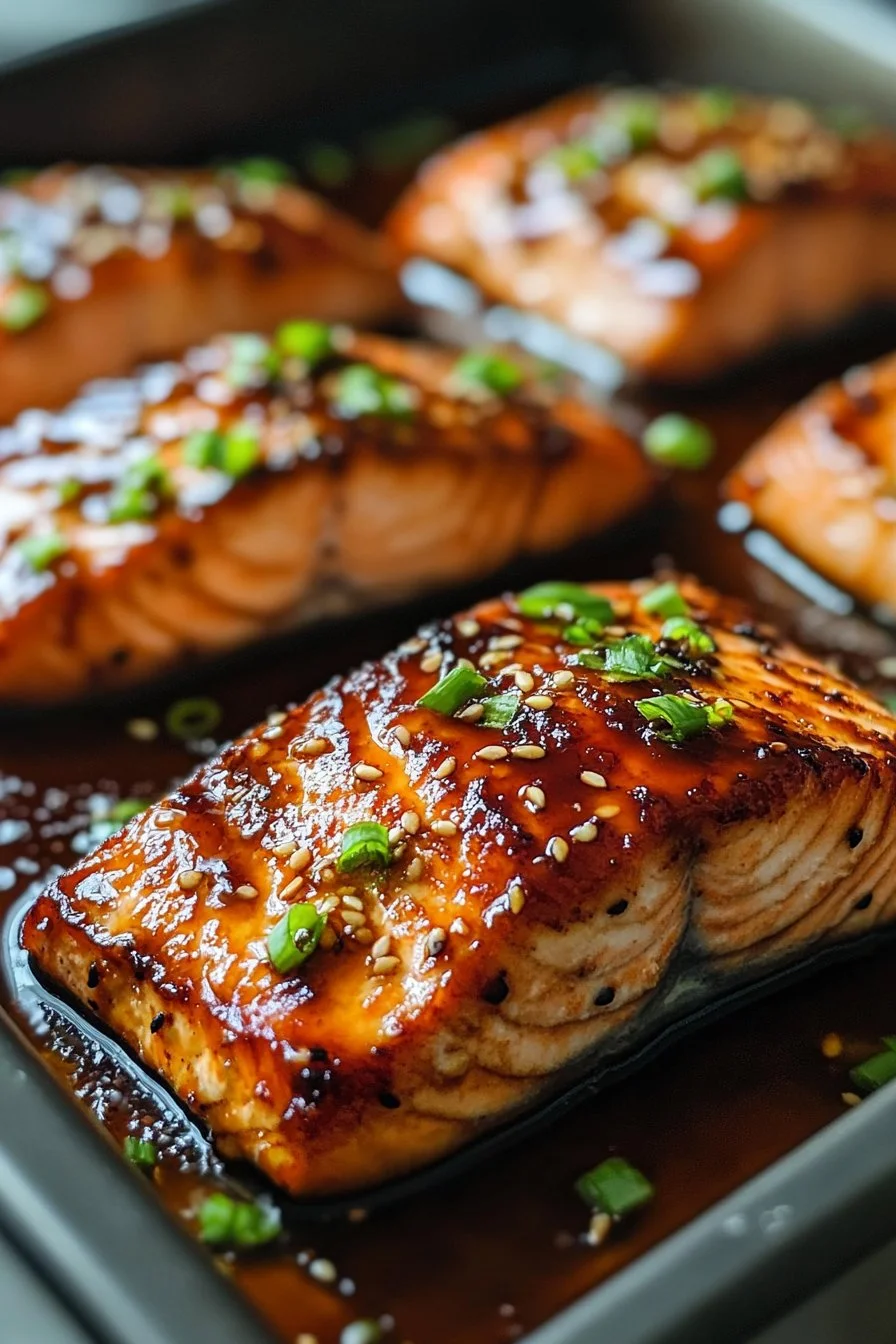
Achieving perfectly baked salmon lies in the cooking technique. The high heat of the oven caramelizes the sugars in the marinade, producing a delightful glaze. This method creates a tender, moist final dish while sealing in the flavors.
Monitor your salmon closely as it cooks. Depending on thickness, cooking times may vary slightly. Overcooking will result in dryness, while undercooked salmon may lack the pleasing texture you’re after.
Tips/tricks
To elevate your Baked Teriyaki Salmon, consider these tips:
- Use a digital meat thermometer to check for doneness. The USDA recommends an internal temperature of 145°F for salmon.
- Experiment with adding vegetables, like bell peppers or snap peas, to the baking dish. They can roast alongside the salmon, absorbing flavors.
- If you prefer a hint of spice, add red pepper flakes to the marinade for a tantalizing kick.
Learning these techniques ensures your Baked Teriyaki Salmon not only tastes fantastic but looks beautiful too.
Mastering Baked Teriyaki Salmon
Perfecting results
Achieving the best results with Baked Teriyaki Salmon involves understanding its cooking process. Baking at 400°F ensures even cooking and caramelization of the marinade. The key is to decide when to pull the salmon out of the oven. At about 15-20 minutes, it should be perfectly cooked and easy to flake with a fork.
You might find that different thicknesses of salmon require slight adjustments in time. Don’t be afraid to test for doneness, and trust your instincts.
Troubleshooting/variations
Should you encounter an overcooked salmon fillet, remember this isn’t the end of the world. Serve over a bed of rice or mash it up and mix it into a salad. You can salvage meals while adding extra ingredients for flavor. Find joy in the cooking process and adapt as needed.
Alternatively, explore variations. Swap the soy sauce for coconut aminos for a lighter version. You can incorporate fresh herbs or citrus for added brightness. The flexibility of this recipe makes it simple to create your unique version of Baked Teriyaki Salmon.
Serving Baked Teriyaki Salmon
Serving/presentation
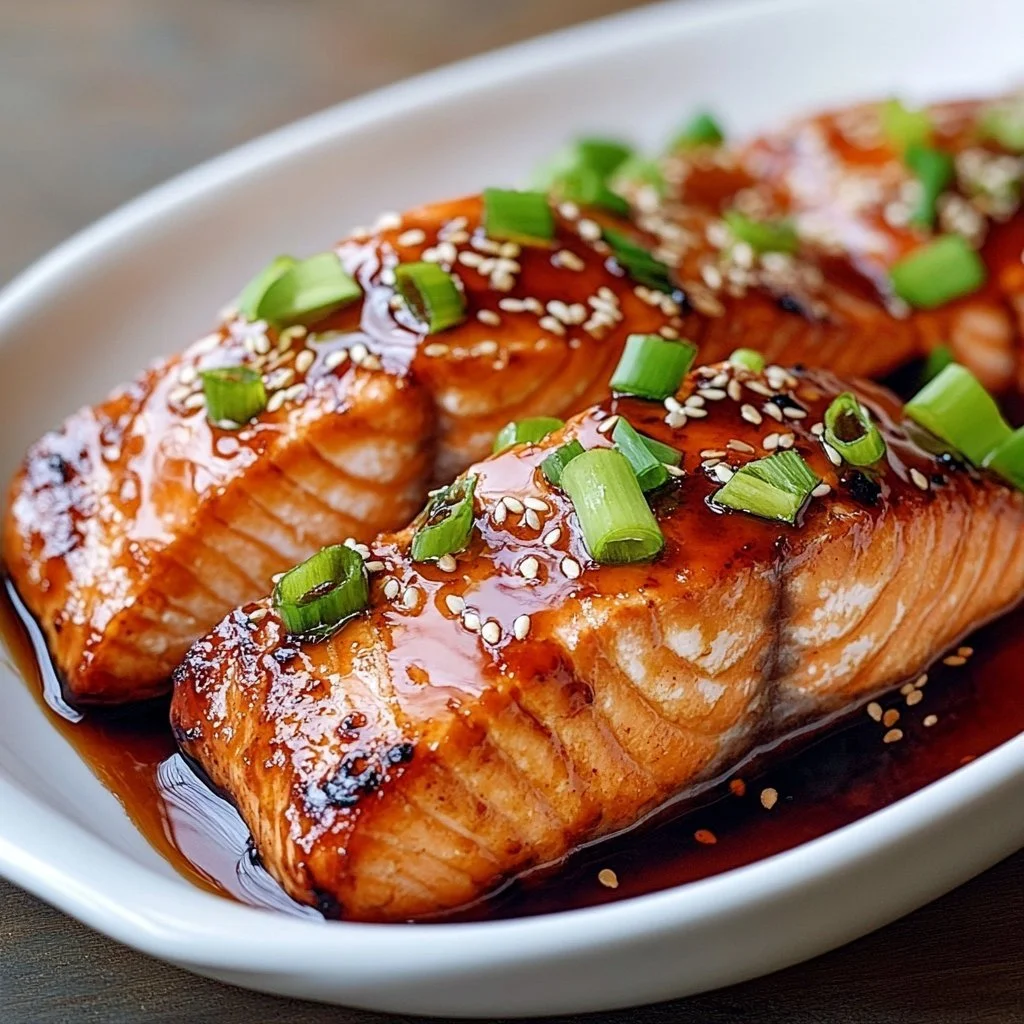
Serving Baked Teriyaki Salmon can quickly transform dinner from simple to stunning. Place the salmon fillets on a platter, drizzling with the remaining marinade for that eye-catching shine. Consider garnishing with sesame seeds or thinly sliced green onions for a vibrant finish.
Pair with steamed rice or a medley of seasonal vegetables to create a well-rounded meal. The colors on the plate enhance visual appeal, making it irresistible to family and guests alike.
Pairings/storage
While this dish pairs beautifully with rice and vegetables, consider other options like quinoa or a fresh salad to keep things interesting. Store any leftovers in an airtight container in the refrigerator for up to three days. Reheat gently to maintain moisture and flavor.
Baked Teriyaki Salmon serves as a versatile option that can transition effortlessly between meals. Enjoy the satisfaction of a wholesome dinner that resonates with taste and nourishment.
In the world of quick and satisfying family meals, nothing quite captures the essence of good home cooking like Baked Teriyaki Salmon. By simply following these steps, any home cook can create a mouthwatering dish that pleases crowds or an intimate dinner for two. Baked Teriyaki Salmon stands the test of time in kitchens across the globe, proving that flavorful meals can be both simple and health-conscious. Enjoy every bite!
Print
Baked Teriyaki Salmon
- Prep Time: 15 minutes
- Cook Time: 20 minutes
- Total Time: 35 minutes
- Yield: 4 servings
- Category: Main Course
- Method: Baking
- Cuisine: Asian
- Diet: Gluten Free
Description
A quick and flavorful Baked Teriyaki Salmon recipe with a delicious marinade of soy sauce, garlic, and sesame oil.
Ingredients
- 4 salmon fillets (6 oz each)
- 1/4 cup low-sodium soy sauce
- 2 tbsp brown sugar
- 3 cloves garlic, minced
- 2 tbsp rice vinegar
- 1 tsp sesame oil
Instructions
- Preheat your oven to 400°F (200°C) and spray a baking dish with nonstick cooking spray.
- In a small bowl, whisk together soy sauce, brown sugar, minced garlic, rice vinegar, and sesame oil until well combined.
- Place the salmon fillets skin-side down in the baking dish and pour half of the marinade over them. Let them marinate for at least 15 minutes.
- Bake for about 15-20 minutes or until the salmon flakes easily with a fork.
- Drizzle with the remaining marinade before serving alongside steamed rice or vegetables.
Notes
Monitor the salmon closely while cooking to avoid overcooking. Use a digital meat thermometer to check for doneness.