
📑 Table of Contents ▶
- The Basics of Asian Fried Rice
- Fundamentals
- Preparation/Setup
- Directions
- Mastering Fried Rice Techniques
- Perfecting the Process
- Tips and Tricks
- Perfecting Your Asian Fried Rice
- Achieving the Ideal Flavor
- Troubleshooting Variations
- Serving Your Asian Fried Rice
- Presentation Techniques
- Ideal Pairings and Storage Tips
- Conclusion
Asian Restaurant Inspired Fried Rice
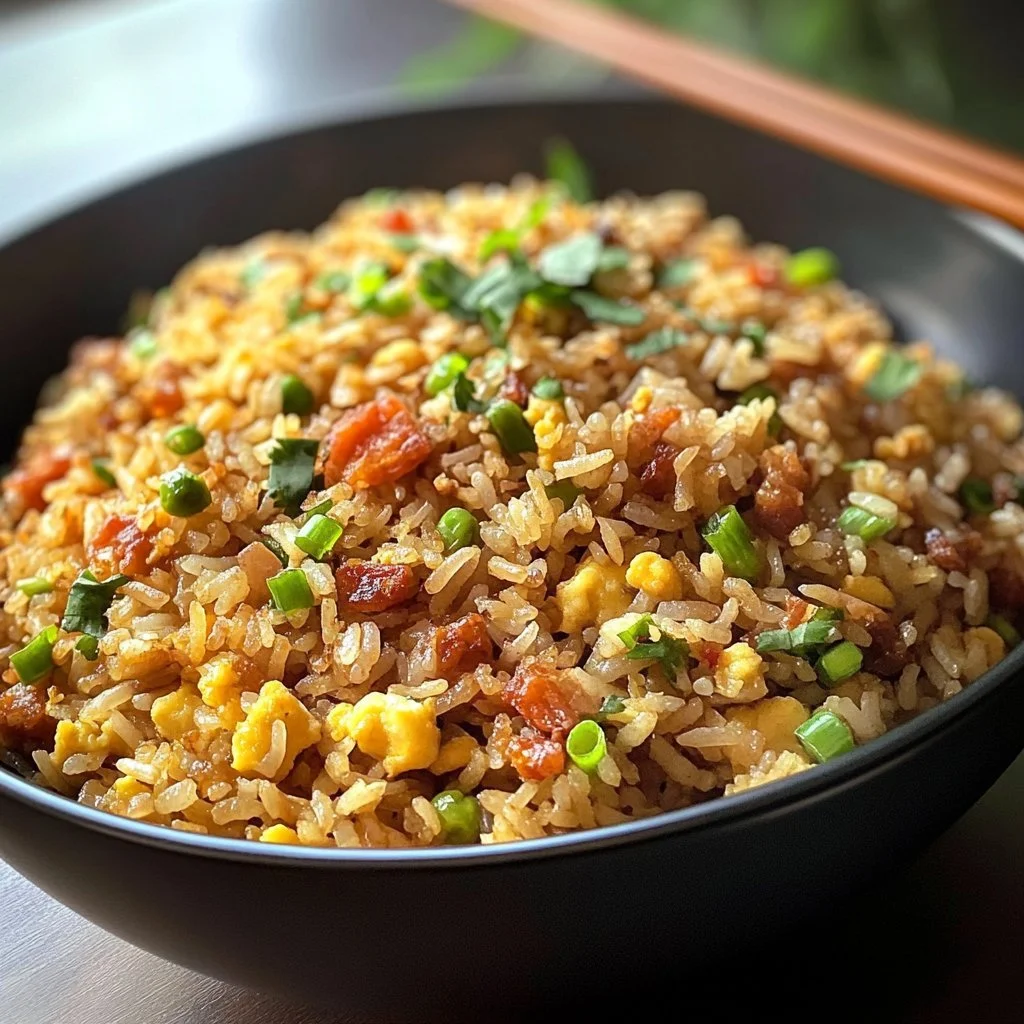
Crafting a bowl of Asian restaurant-inspired fried rice often brings back vivid memories of family meals spent around the dinner table. It evokes images of steaming bowls filled with colorful vegetables and perfectly cooked shrimp, all swirled together with flavorful seasonings. Fried rice stands out as a dish that embodies comfort while delivering an explosion of taste. Each bite teems with deliciousness and nostalgia.
The charm of fried rice lies in its versatility. You can customize it according to your tastes or even what you have on hand. It’s a fantastic way to use leftover rice. Day-old rice holds its shape better, ensuring a perfect texture for frying. Embracing these components while cooking will elevate your experience. Whether it’s casual family dinners or gatherings with friends, this dish consistently brings smiles and satisfaction.
Cooking this fried rice also brings the delightful aromas of garlic and ginger wafting through your kitchen, a fragrance that hints at the deliciousness on the horizon. Let’s dive into this simple but flavorful culinary adventure together and explore how to create a delightful Asian restaurant-inspired fried rice at home.
The Basics of Asian Fried Rice
Fundamentals
Fried rice originates from Chinese cuisine but has gathered interpretations worldwide, particularly across Asian cultures. The essence of fried rice involves stir-frying cooked rice in a wok or skillet with various ingredients, providing a base for creativity. The mix of textures from the vegetables and proteins infuses each grain with flavor.
At its core, authentic fried rice combines using day-old rice, fresh vegetables, proteins, and seasonings. The day-old rice becomes a key ally, allowing the grains to fry evenly without clumping. Each component plays a vital role that balances flavors. For the Asian restaurant-inspired version, soy sauce, oyster sauce, and sesame oil serve as the stars.
Preparation/Setup
Preparing your fried rice requires a bit of organization but ultimately simplifies the cooking process. Start by ensuring all your ingredients are ready to go. Measure your sauces, and keep the chopped vegetables and proteins within reach. This approach prevents any rush during cooking, allowing you to stir-fry at your pace without burning anything.
Using a large skillet or wok holds significant importance. It gives you the space needed to keep the rice from clumping together while offering a large surface area for that delicious, crispy finish. The intensity of high heat ensures the ingredients cook quickly while infusing maximum flavor.
Ingredients
Creating this delicious Asian restaurant-inspired fried rice requires several key ingredients. Here’s what you’ll need:
- 2 tablespoons of unsalted butter (divided)
- 3 medium eggs (whisked)
- 1 cup of cooked shrimp (or protein of choice)
- 2 medium carrots (diced)
- 1 medium onion (diced)
- 3 garlic cloves (minced)
- 1/2 cup of frozen peas (thawed)
- 4 cups of rice (cooked and preferably day-old)
- 3 tablespoons of soy sauce
- 2 tablespoons of oyster sauce
- 1 teaspoon of sesame oil
- Sliced green onions (for garnish)
- Salt and black pepper (to taste)
- 1 teaspoon of grated ginger (optional)
- 1 tablespoon of fish sauce (optional)
Directions
- In a large skillet over medium heat, melt 1 tablespoon of butter. Pour in the whisked eggs and scramble until fully set. Once cooked, transfer the scrambled eggs to a plate and set aside.
- Add the remaining tablespoon of butter to the skillet. Sauté the diced carrots and onion until tender, about 3-4 minutes.
- Stir in the minced garlic and grated ginger (if using), cooking for an additional minute.
- Introduce the chilled, day-old rice and thawed peas to the skillet, cooking for 3-4 minutes until the rice shows signs of browning.
- Return the scrambled eggs to the skillet, followed by the cooked shrimp or chosen protein.
- Add soy sauce, sesame oil, and oyster sauce to the mix, stirring together for 1-2 minutes until heated through.
- Optionally drizzle fish sauce for an added depth of flavor if desired.
- Serve hot, garnished with sliced green onions.
Mastering Fried Rice Techniques
Perfecting the Process
The technique of stir-frying is essential for achieving restaurant-quality fried rice at home. Higher heat allows for a faster cooking process, locking in flavors while preventing overcooking. Stir frequently to avoid burning while ensuring an even distribution of ingredients.
For best results, marinate proteins like shrimp ahead of time. This simple step enhances flavor, ensuring every bite is packed with taste. Additionally, investing in a quality non-stick skillet or seasoned wok will make the cooking process smoother and cleanup more manageable.
Tips and Tricks
Optimize your cooking by employing a few tried-and-true tips. Using cold, day-old rice prevents sogginess—a common issue with freshly cooked rice. Ensure that the rice is on the dryer side by laying it out on a baking sheet to cool if you need a quicker alternative.
Don’t hesitate to play around with flavors. For instance, incorporate your favorite vegetables or substitute proteins. The fried rice base remains the same, providing stunning flexibility. Taste as you cook to make adjustments to suit your palate.
Perfecting Your Asian Fried Rice
Achieving the Ideal Flavor
To achieve the perfect flavor balance, adjust your sauces according to preference. For instance, adding a little more soy sauce can enhance the umami, while a drizzle of sesame oil adds nuttiness. Both can be modified according to taste and dietary needs.
If fried rice is too salty, balancing it with a little sugar can neutralize the flavor. Always remember to adjust seasoning by tasting ensured that flavor level meets your expectations.
Troubleshooting Variations
Occasionally, problems might arise while cooking fried rice, but they’re typically easy to fix. In case the rice becomes too sticky, adding a bit more oil can help separate the grains. If flavors seem off, adding a splash of fish sauce or additional seasonings can elevate the dish.
Feel free to personalize your fried rice according to what you have available. Use cooked chicken, beef, or tofu—whatever fits your cravings. The goal is to create a dish that resonates with your tastes while providing a sense of comfort.
Serving Your Asian Fried Rice
Presentation Techniques
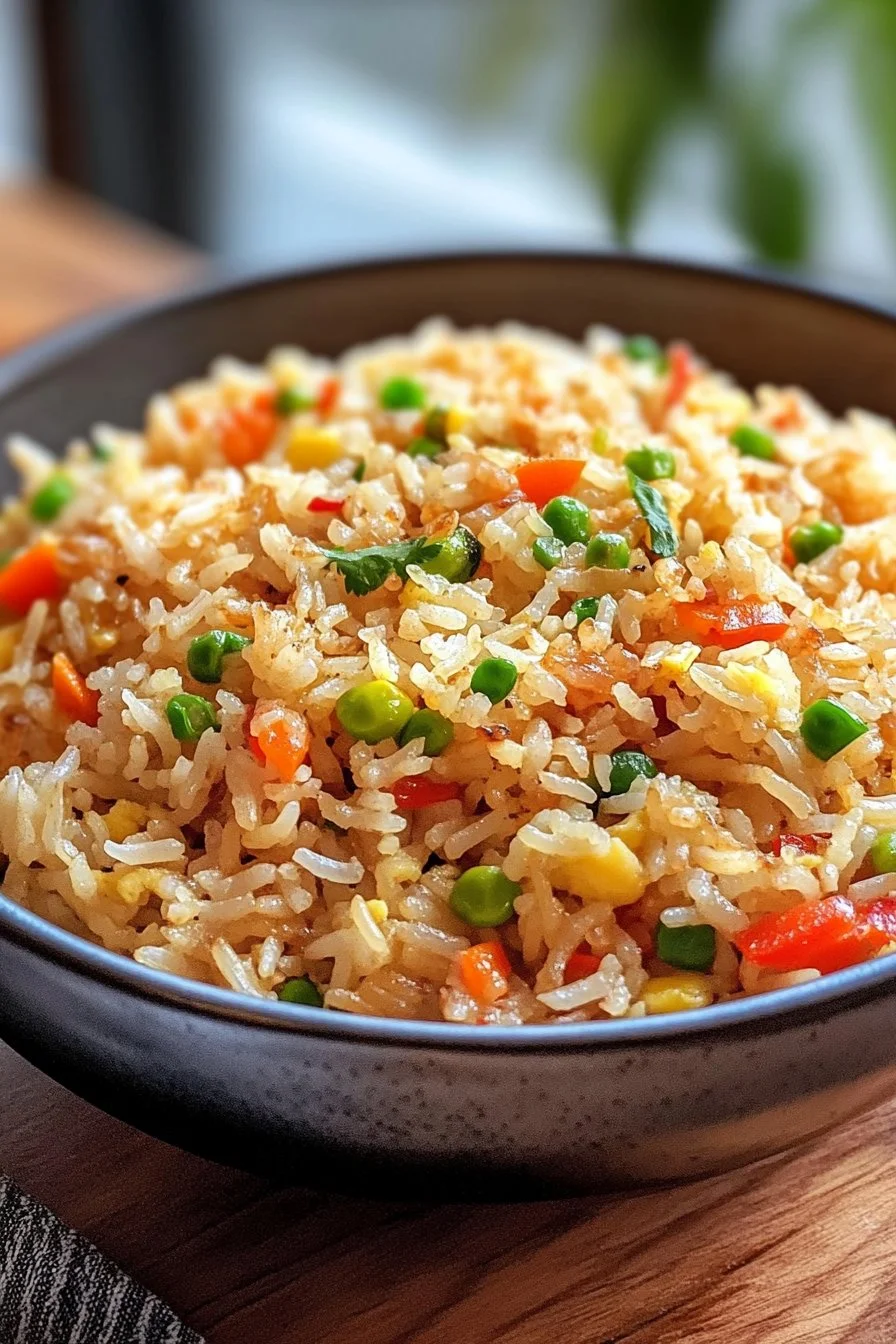
Serving fried rice can be as vibrant as its flavors. Use colorful bowls and sprinkle sliced green onions on top for a fresh pop of color. You can also add sesame seeds or additional vegetables for garnish, enhancing the visual appeal.
For a family meal, consider plating individual servings or serving from a large bowl for the communal experience. This adds to the cozy atmosphere of sharing food together.
Ideal Pairings and Storage Tips
Though often served solo, fried rice pairs well with various sides. Dishes like spring rolls, dumplings, or simple vegetable stir-fries complement the meal beautifully. If you have leftovers, store them in airtight containers in the refrigerator for up to three days, making it easy to enjoy again.
When reheating, a quick stir-fry in a pan will breathe new life into leftover fried rice, restoring texture and flavor. Just add a touch of oil and keep the heat high to ensure each grain heats without becoming soggy.
Conclusion
Creating Asian restaurant-inspired fried rice showcases a delightful balance of flavors and textures. The cooking process, from stir-frying vegetables to mixing proteins, delivers a comforting meal that satisfies everyone at the table. Each bowl conveys warmth and enjoyment, leading to new family traditions and cherished memories. Embrace the versatility and variety this beloved dish offers, adapting it to fit your tastes and preferences. Enjoy the journey of bringing the flavors of Asia into your home, one delicious plate at a time.
Print
Asian Restaurant Inspired Fried Rice
- Prep Time: 15 minutes
- Cook Time: 20 minutes
- Total Time: 35 minutes
- Yield: 4 servings
- Category: Main Course
- Method: Stir-frying
- Cuisine: Asian
- Diet: Seafood
Description
A comforting bowl of Asian restaurant-inspired fried rice made with shrimp and colorful vegetables, infused with flavorful seasonings.
Ingredients
- 2 tablespoons of unsalted butter (divided)
- 3 medium eggs (whisked)
- 1 cup of cooked shrimp (or protein of choice)
- 2 medium carrots (diced)
- 1 medium onion (diced)
- 3 garlic cloves (minced)
- 1/2 cup of frozen peas (thawed)
- 4 cups of rice (cooked and preferably day-old)
- 3 tablespoons of soy sauce
- 2 tablespoons of oyster sauce
- 1 teaspoon of sesame oil
- Sliced green onions (for garnish)
- Salt and black pepper (to taste)
- 1 teaspoon of grated ginger (optional)
- 1 tablespoon of fish sauce (optional)
Instructions
- In a large skillet over medium heat, melt 1 tablespoon of butter. Pour in the whisked eggs and scramble until fully set. Transfer the scrambled eggs to a plate and set aside.
- Add the remaining tablespoon of butter to the skillet. Sauté the diced carrots and onion until tender, about 3-4 minutes.
- Stir in the minced garlic and grated ginger (if using), cooking for an additional minute.
- Introduce the chilled, day-old rice and thawed peas to the skillet, cooking for 3-4 minutes until the rice shows signs of browning.
- Return the scrambled eggs to the skillet, followed by the cooked shrimp or chosen protein.
- Add soy sauce, sesame oil, and oyster sauce, stirring together for 1-2 minutes until heated through.
- Optionally drizzle fish sauce for added flavor. Serve hot, garnished with sliced green onions.
Notes
For a perfect texture, use day-old rice and ensure all ingredients are prepped before cooking.