
📑 Table of Contents ▶
Homemade Focaccia
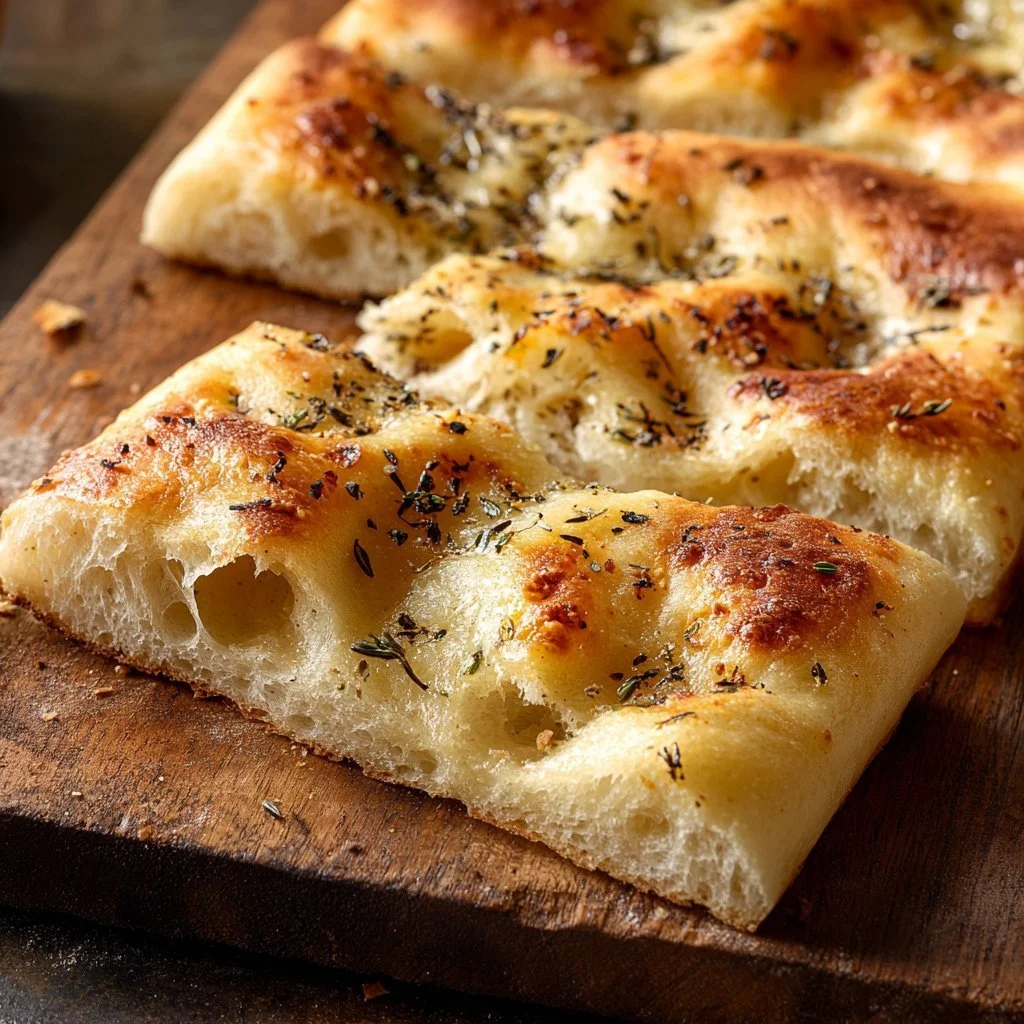
Baking homemade focaccia fills the kitchen with an aroma that evokes memories of family meals and cozy gatherings. This bread, with its crusty exterior and soft, airy interior, brings people to the table. It somehow manages to be both rustic and elegant, making it perfect for casual dinners or as a statement side for any feast.
Focaccia’s versatility allows it to shine on its own, yet it adapts beautifully alongside a variety of dishes. When preparing homemade focaccia, the process becomes a moment of creativity and joy. You can easily customize it with whatever herbs or toppings you have on hand.
Many find joy in kneading dough, waiting for it to rise, and then watching as it transforms in the oven. Each step offers a rewarding experience that connects you to the art of bread-making. Homemade focaccia becomes more than just food, transforming into an occasion to savor the simple pleasures of cooking and enjoying good company.
Homemade Focaccia: A Simple Guide
Fundamentals
Homemade focaccia rests on a few essential principles. The key lies in quality ingredients and the right technique. Understanding how flour interacts with water, yeast, and salt is crucial. These ingredients combine to create a base that has both flavor and structure.
Flour serves as the backbone, while water activates the yeast, sending it on its journey to rise. Salt plays a vital role in enhancing flavors and controlling yeast activity. Using fresh and quality ingredients ensures your focaccia lives up to its potential.
Investing your time in the preparation stages pays off. Allowing the dough to rise for the right amount of time develops the texture and flavor intimately. The waiting game behind making homemade focaccia becomes more enjoyable when you know the result is worth it.
Preparation/Setup
Start by gathering your ingredients and necessary tools. This practice creates a smoother workflow in the kitchen. You’ll need 500 g of flour, 10 g of salt, 7 g of dry yeast, 350 ml of warm water, 60 ml of olive oil, dried herbs of your choice, and a little extra salt for the topping.
Begin in a large mixing bowl. Combine the flour, salt, and yeast, ensuring even distribution among the dry ingredients. Then, gradually incorporate the warm water and olive oil. Mixing by hand or with a wooden spoon allows you to feel the dough as it begins to come together.
Once the ingredients combine into a cohesive mass, kneading becomes necessary. Knead the dough until smooth and elastic, which usually takes around 8-10 minutes. Then, place the dough in a greased bowl, cover it with a damp cloth, and set it aside in a warm environment. Let it rise for about one hour until it doubles in size, creating the airy quality that makes focaccia so delightful.
Ingredients
- 500 g flour
- 10 g salt
- 7 g dry yeast
- 350 ml warm water
- 60 ml olive oil
- Dried herbs (Herbes de Provence or your choice)
- Additional salt for topping
Directions
- In a large bowl, mix together the flour, salt, and yeast.
- Pour in the warm water and olive oil, mixing until you achieve a homogeneous dough.
- Cover the bowl with a damp cloth and let the dough rise for about one hour, until it has doubled in volume.
- Preheat your oven to 220°C (428°F).
- Transfer the risen dough onto a greased baking tray, then press it out and create dimples with your fingers.
- Sprinkle dried herbs and additional salt on top.
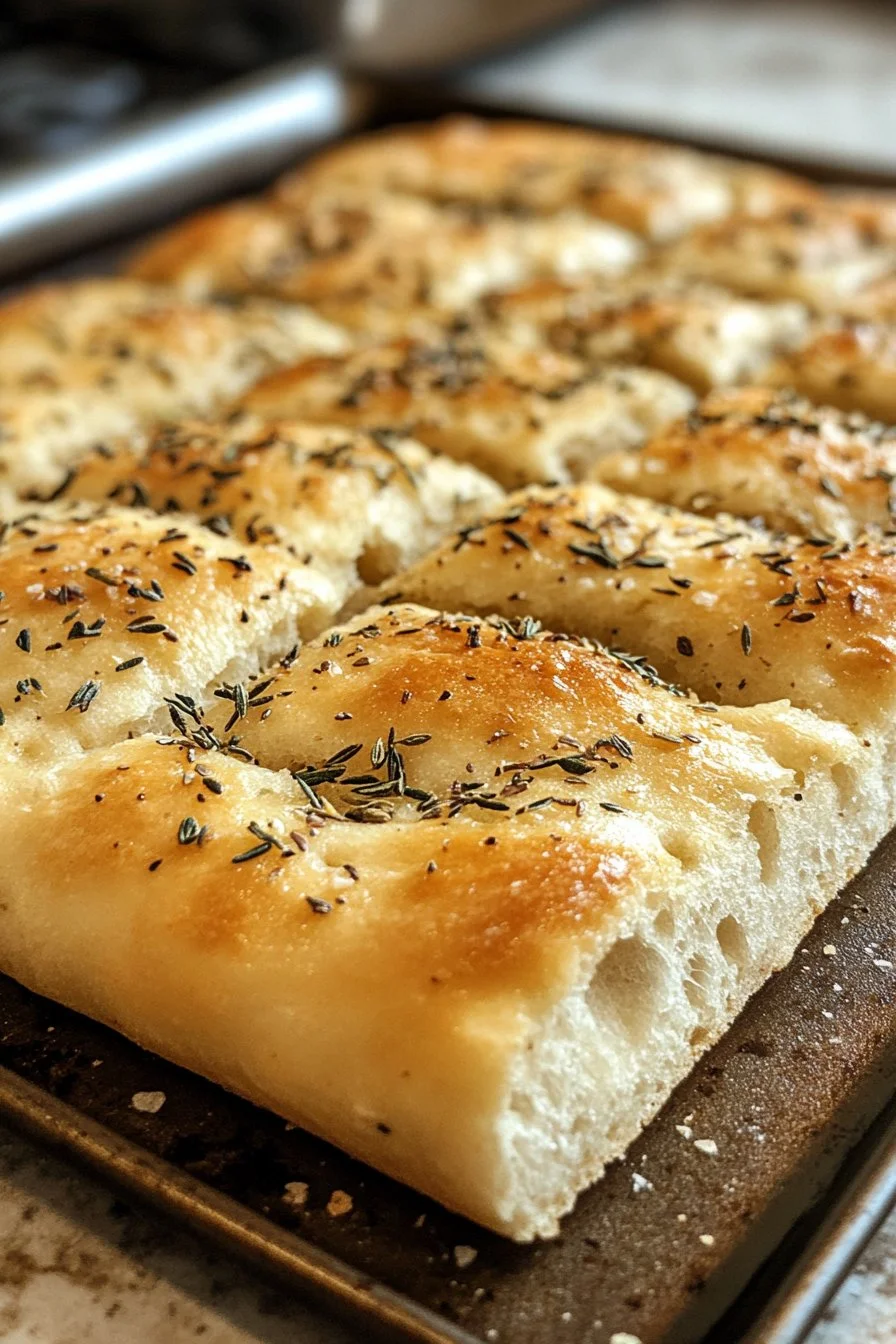
- Bake for 20 to 25 minutes or until the focaccia turns golden brown.
- Allow it to cool slightly before slicing and serving.
Elevating Your Focaccia Experience
Technique
Creating the perfect focaccia often hinges on technique and timing. Pay attention to the kneading process, as it develops gluten, strengthening your dough. You want it to be elastic and not overly sticky when finished.
When shaping your focaccia, take care to dimple the surface with your fingers gently. This not only creates a unique appearance but also helps retain moisture during baking. Make sure the dimples go deep enough, but not so much that they break through the dough’s bottom.
Understanding oven temperatures is also critical. An adequately preheated oven ensures a quicker bake, producing that golden crust while keeping the interior fluffy and tender.
Tips/Tricks
Consider experimenting with the toppings when making homemade focaccia. Fresh tomatoes, olives, or even cheeses like feta or mozzarella can enhance the flavor profile. Keep the toppings light, lest they outweigh the bread’s delicate structure.
You can also experiment with infusing your olive oil with garlic or herbs before adding it to the dough. This simple step enhances the overall flavor depth, making each bite more enjoyable.
Using a stone oven or a baking stone is another excellent trick; it creates a crust that rivals that of a traditional bakery. If you don’t have one, using a regular baking tray or pan will still yield tasty results—just ensure it is well-greased.
Perfecting Your Focaccia
Addressing Common Issues
Bakeries often have their unique ways of achieving the perfect focaccia, but at home, you may encounter challenges. If your focaccia comes out dense, it may not have risen sufficiently. Always ensure the yeast is active before use and consider increasing the rising time slightly the next time.
If the crust is too hard, check your oven temperature. A hot oven is essential, but too much heat can harden the outer layer while the inside stays undercooked.
A soggy focaccia usually results from excessive moisture during baking. Ensure you’re not overly generous with toppings that release water when cooked.
Variations to Try
Homemade focaccia offers endless variety. For a Mediterranean twist, add sun-dried tomatoes and feta cheese for a tangy kick. A sprinkle of sea salt can highlight the flavors beautifully.
For a seasonal touch, why not add caramelized onions or roasted garlic? These ingredients work wonderfully with the fundamental flavors of focaccia and add an enticing depth.
Gluten-free flours can also provide new avenues to explore if allergies are a concern. While you may need to tweak the ratios, homemade focaccia can transform into a gluten-free delight.
Serving and Storing Focaccia
Presenting Your Creation
Once your focaccia is finished, you can serve it warm or cool. It can stand on its own as an appetizer, or pair excellently with salads or soups. Draping it with some olive oil and a sprinkle of herbs can elevate its visual appeal and flavor.
If serving at a gathering, consider slicing it into squares or triangles for easy handling. Placing it on a wooden board adds a rustic touch that enhances its charm.
Storing Leftovers
If you have leftovers, store them in an airtight container at room temperature for up to two days. For longer storage, freeze individual slices, wrapped securely in plastic wrap and aluminum foil. This ensures that your homemade focaccia remains fresh and ready whenever cravings strike. Reheat slices in the oven to restore the crustiness.
Homemade focaccia connects us to the art and joy of baking. It serves as a reminder that cooking can be both simple and fulfilling. Embrace the process and enjoy every moment with this delightful bread.
Print
Homemade Focaccia
- Prep Time: 15 minutes
- Cook Time: 25 minutes
- Total Time: 40 minutes
- Yield: 4 servings
- Category: Bread
- Method: Baking
- Cuisine: Italian
- Diet: Vegetarian
Description
A rustic yet elegant bread with a crusty exterior and soft, airy interior, perfect for any meal.
Ingredients
- 500 g flour
- 10 g salt
- 7 g dry yeast
- 350 ml warm water
- 60 ml olive oil
- Dried herbs of your choice
- Additional salt for topping
Instructions
- In a large bowl, mix together the flour, salt, and yeast.
- Pour in the warm water and olive oil, mixing until you achieve a homogeneous dough.
- Cover the bowl with a damp cloth and let the dough rise for about one hour, until it has doubled in volume.
- Preheat your oven to 220°C (428°F).
- Transfer the risen dough onto a greased baking tray, then press it out and create dimples with your fingers.
- Sprinkle dried herbs and additional salt on top.
- Bake for 20 to 25 minutes or until the focaccia turns golden brown.
- Allow it to cool slightly before slicing and serving.
Notes
Experiment with various toppings like fresh tomatoes, olives, or cheeses. For added flavor, infuse your olive oil with garlic or herbs.