
📑 Table of Contents ▶
- Traditional Shakshuka: Understanding the Basics
- Fundamentals
- Preparation/Setup
- Directions
- Exploring Variations of Shakshuka
- Technique
- Tips/Tricks
- Perfecting Your Shakshuka
- Perfecting Results
- Troubleshooting/Variations
- Serving Your Traditional Shakshuka
- Serving/Presentation
- Pairings/Storage
- Conclusion
- Traditional Shakshuka
The traditional shakshuka
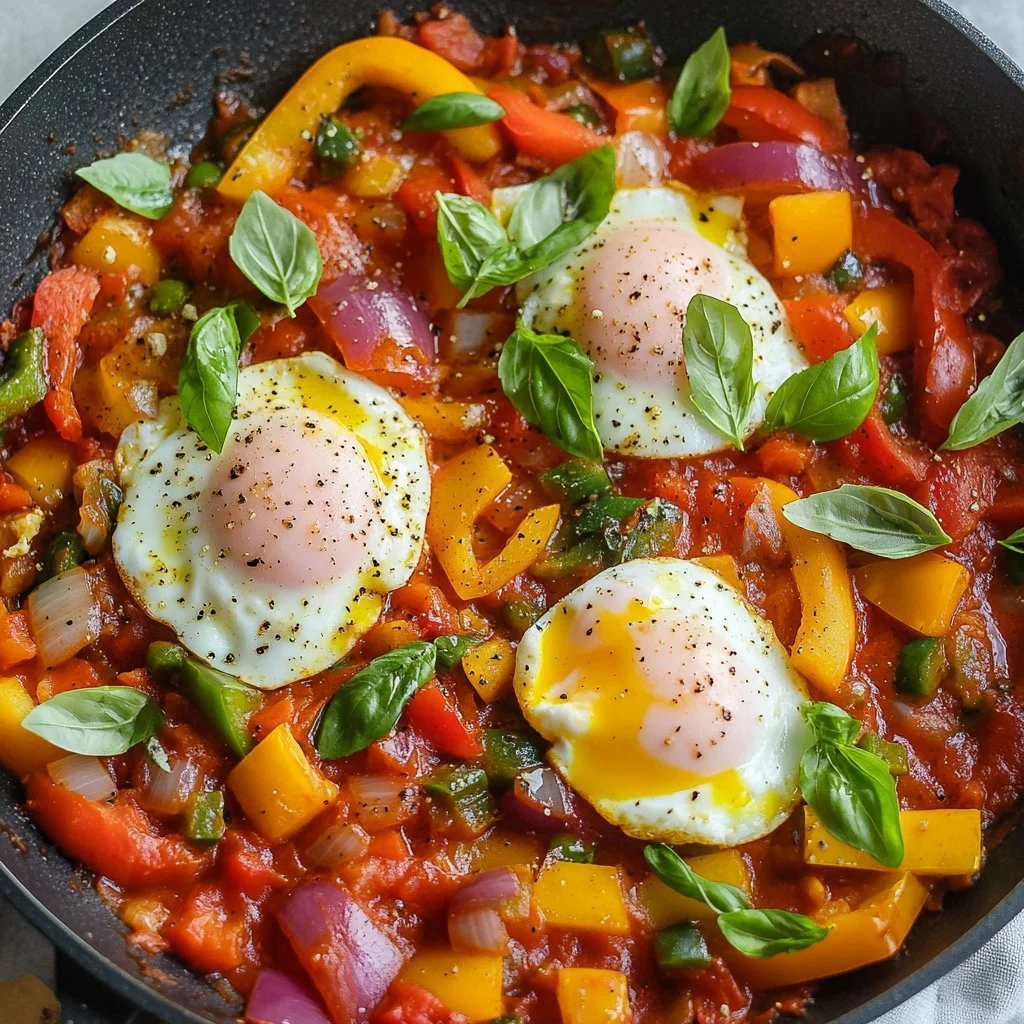
Creating a traditional shakshuka relies on the interplay of rich flavors and simple preparation methods. This dish, often enjoyed as a hearty breakfast or comforting dinner, brings together a vibrant mix of tomatoes, eggs, and spices. The first time I prepared shakshuka, I was enchanted by how such a humble blend of ingredients could make a meal so satisfying. Each bite bursts with the warmth of spices, and the runny yolk adds a luxurious creaminess to the zesty sauce.
The beauty of shakshuka lies in its versatility. You can adjust the heat and spice levels to suit your taste. Experimenting with different spices and vegetables opens up a world of flavor possibilities.
As you dive into this delightful recipe, remember it isn’t just a dish; it’s an experience. The comforting aroma wafting through your kitchen transforms your home into a cozy haven. With just a can of tomatoes, some eggs, a vibrant pepper, and a few spices, you’re set to create a memorable meal that nourishes both the body and the soul.
Traditional Shakshuka: Understanding the Basics
Fundamentals
At its core, shakshuka highlights the harmony of simple ingredients. The foundation consists of tomatoes, spices, and eggs. Using canned tomatoes makes this dish accessible year-round, allowing for a quick, flavorful meal even when fresh produce might not be available.
The magic unfolds when you combine garlic and onion with olive oil, creating a fragrant base. The richness of the tomatoes melds perfectly with the earthy undertones of cumin and the warmth of paprika. As shakshuka simmers on your stovetop, it fills the air with tantalizing aromas, inviting everyone to gather around the table.
Preparation/Setup
Starting with shakshuka is straightforward. Gather your ingredients, ensuring you have everything measured and ready. This not only streamlines the cooking process but also allows you to focus on the flavors.
- Begin by finely chopping the onion and garlic. This step is crucial; it ensures even cooking and maximizes flavor development.
- Heat olive oil in a skillet over medium heat. As the oil warms, add in the garlic and onion. Sauté until golden, releasing their aromatic goodness.
The colorful addition of a diced red pepper adds both visual appeal and flavor complexity.
Ingredients
Every shakshuka relies on specific components that provide signature flavor:
- 400 grams of canned tomatoes (ideal for a rich sauce)
- 4 eggs (the centerpiece, adding protein and texture)
- 2 garlic cloves (for aromatic depth)
- 1 red bell pepper (introducing sweetness)
- 1 onion (the savory base)
- 3 tablespoons of olive oil (for cooking)
- ½ teaspoon of ground cumin (bringing warmth)
- ½ teaspoon of paprika (adding smokiness)
- ¼ teaspoon of cayenne pepper (for a hint of heat)
- Salt and pepper (for seasoning)
Each ingredient plays a vital role in crafting a balanced dish.
Directions
Follow these steps to create your traditional shakshuka:
- Start by finely chopping the onion and garlic.
- In a medium skillet, heat the olive oil over medium heat and sauté the chopped garlic and onion until translucent.
- Dice the red pepper into small pieces, adding it to the skillet and mixing it well.
- After a few minutes, incorporate the canned tomatoes and the spices: cumin, paprika, and cayenne pepper.
- Season with salt and pepper according to your taste preferences.
- Stir everything and let it simmer for 10-15 minutes, allowing the flavors to meld and the sauce to thicken.
- Make small wells in the sauce using a spoon.
- Crack the eggs carefully into each well, taking care not to break the yolks.
- Cover the skillet and allow the eggs to cook for 5 to 8 minutes, until the whites are set but the yolks remain runny.
- Serve the shakshuka hot, garnished with fresh herbs for a burst of flavor.
Exploring Variations of Shakshuka
Technique
Shakshuka offers ample room for creativity. While I outlined a traditional approach, feel free to experiment with spices and additional vegetables. Different types of bell peppers or even greens can elevate the dish. You might consider adding spinach for a nutritious twist or swap in some feta cheese for a tangy kick.
Cooking technique also matters. Using a cast-iron skillet not only helps in even heat distribution but can also influence flavor. The browning of ingredients at the base creates a more complex taste profile.
Tips/Tricks
Successful shakshuka hinges on a few handy tips:
- Always use fresh spices for the best flavor.
- Monitor the heat level; too high may lead to overcooked eggs.
- If you prefer your eggs more cooked, extend the cooking time slightly but keep an eye on the texture.
- Serve with crusty bread or pita. This not only adds texture but also complements the runny yolk perfectly.
Utilizing leftovers? Shakshuka retains flavor well, making it great for meal prep.
Perfecting Your Shakshuka
Perfecting Results
To achieve that Instagram-worthy shakshuka, patience plays a key role. Balancing the simmering time ensures your sauce thickens to perfection. Remember to allow the dish to rest a few minutes after cooking.
For those wanting to add an extra layer of flavor, consider a splash of lemon juice before serving. The acidity brightens the dish, enhancing the savory elements.
Troubleshooting/Variations
If your shakshuka seems too runny, allow it to simmer uncovered to evaporate excess moisture. Conversely, if the sauce thickens too much, a splash of water can bring back the desired consistency.
Customize your shakshuka with different proteins. Chorizo or ground beef can add a heartier variant, but make sure to cook these ingredients before adding the tomatoes to ensure proper cooking.
Serving Your Traditional Shakshuka
Serving/Presentation
Presentation enhances the experience of enjoying shakshuka. Serve it directly from the skillet for a rustic feel. Garnish with fresh herbs like parsley or cilantro. A sprinkle of crumbled feta cheese or a drizzle of olive oil adds visual appeal and extra flavor.
The vibrant colors of your dish create an inviting atmosphere, making it a centerpiece at any meal.
Pairings/Storage
Shakshuka pairs beautifully with crusty bread, pita, or even a refreshing salad. Consider serving it alongside a cucumber salad for a cooling contrast.
If you have leftovers, store them in an airtight container in the refrigerator. Reheat gently on the stovetop to preserve the texture of the eggs.
Conclusion
Crafting traditional shakshuka embodies the essence of bringing people together over a flavorful meal. The simplicity of its ingredients belies the depth of flavor you create. Each step steers you toward a comforting dish that fills the heart and nourishes the soul. Enjoy every savory bite, knowing that with each experience, you master this delightful recipe a little more.
Print
Traditional Shakshuka
- Prep Time: 10 minutes
- Cook Time: 20 minutes
- Total Time: 30 minutes
- Yield: 4 servings
- Category: Breakfast
- Method: Stovetop
- Cuisine: Middle Eastern
- Diet: Vegetarian
Description
Experience the rich flavors of traditional shakshuka, a delightful dish of tomatoes, eggs, and spices, perfect for breakfast or dinner.
Ingredients
- 400 grams of canned tomatoes
- 4 eggs
- 2 garlic cloves, minced
- 1 red bell pepper, diced
- 1 onion, chopped
- 3 tablespoons of olive oil
- ½ teaspoon of ground cumin
- ½ teaspoon of paprika
- ¼ teaspoon of cayenne pepper
- Salt and pepper, to taste
Instructions
- Finely chop the onion and garlic.
- In a medium skillet, heat olive oil over medium heat and sauté the chopped garlic and onion until translucent.
- Dice the red pepper and add it to the skillet, mixing well.
- After a few minutes, incorporate the canned tomatoes and the spices: cumin, paprika, and cayenne pepper.
- Season with salt and pepper to taste.
- Stir and let it simmer for 10-15 minutes until the flavors meld and the sauce thickens.
- Make small wells in the sauce and crack the eggs into each well, being careful not to break the yolks.
- Cover the skillet and cook for 5-8 minutes, until the egg whites are set but the yolks are runny.
- Serve hot, garnished with fresh herbs.
Notes
For an extra twist, consider adding spinach or crumbled feta cheese. Serve with crusty bread or pita for a perfect combination.