
📑 Table of Contents ▶
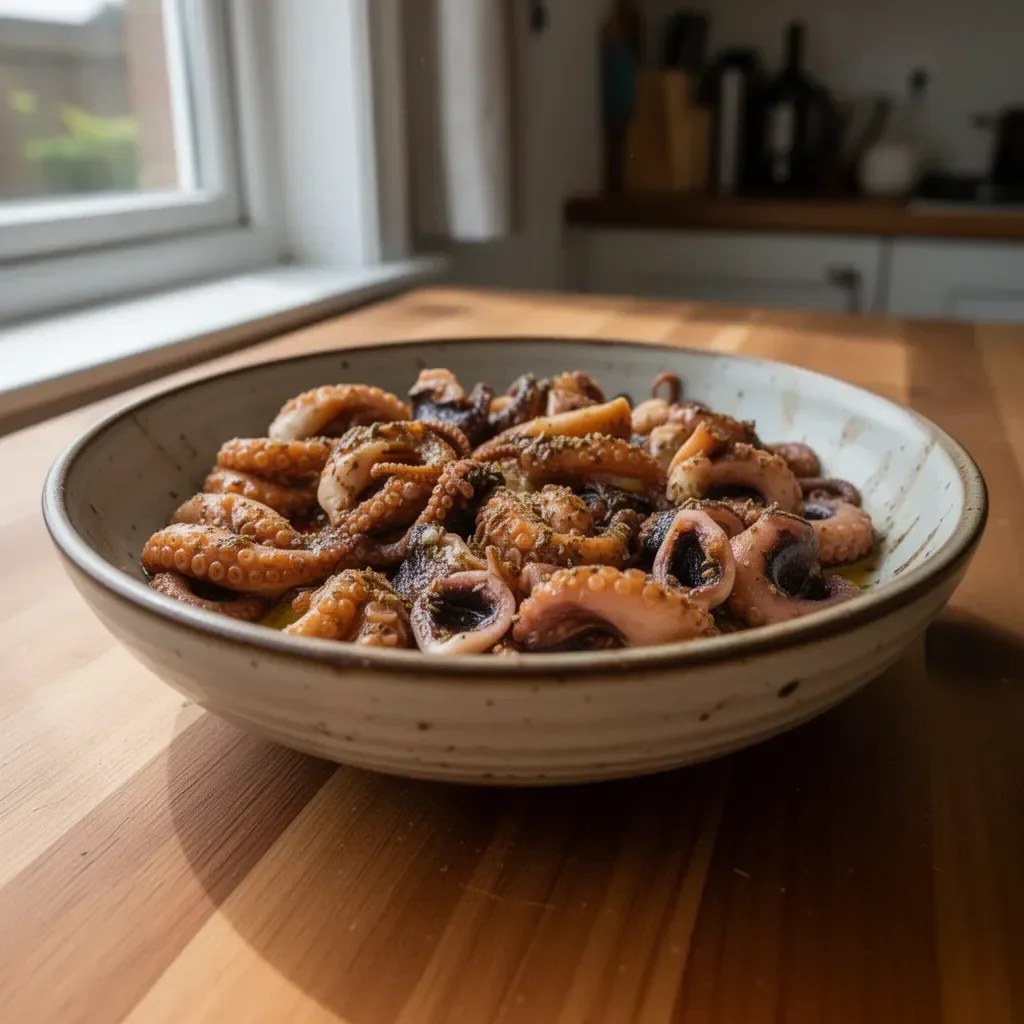
Marinated Baby Octopus
Creating a dish centered around baby octopus always brings back memories of sunny afternoons spent at coastal seafood shacks. The enticing smell of herbs mingling with the ocean breeze fills the air, promising an explosion of flavors. Baby octopus has a unique texture and absorbs flavors beautifully, making it a perfect candidate for marination. Every time I experiment with this ingredient, I’m reminded of how simple, yet transformative ingredients can be when crafted with care.
This recipe for marinated baby octopus beautifully blends aromatic herbs and spices that create a delightful profile. As I develop recipes, I often focus on tenderizing meats, and baby octopus stands out in its ability to elevate flavors. The process becomes meditative, each step leading to a final dish that captures the essence of comfort food.
With the simplicity of the ingredients, I find joy in marinating baby octopus that is not just delicious, but healthy too. Whether you’re entertaining guests or enjoying a quiet night, this dish resonates with warmth and love. Let’s dive into the fundamentals of this fantastic recipe.
Fundamentals
Understanding how to prepare baby octopus is essential for achieving the best results. Baby octopus has a delicate flavor that’s enhanced by the right combination of herbs and spices. When you take a closer look at how each component interacts, you’ll find that they contribute to making the octopus wonderfully tender and fragrant.
Choosing fresh ingredients elevates the dish. Fresh rosemary, bay leaves, and high-quality extra virgin olive oil play pivotal roles in flavoring the octopus. Likewise, the addition of cloves and black peppercorns (if desired) adds depth and warmth. Spending time focusing on the basics of cooking methods and ingredient selection ensures unforgettable results.
Slow cooking is key in this recipe. The one hour and fifteen minutes of simmering allows the octopus to absorb all those lovely flavors while becoming tender. Remember to manage the heat carefully; this step makes a world of difference. It’s the small things that lead to impressive end results.
Preparation/setup
Preparing marinated baby octopus requires a little bit of attention upfront. To start, you must clean the baby octopus, ensuring to remove the beak and ink sac, which some beginners may overlook. Proper cleaning leads to a more pleasant eating experience, as well as allowing the flavors to shine.
Gather a medium saucepan for simmering all the ingredients together. This pan size is perfect for containing the octopus while allowing enough room for the water and spices. Ensure that the baby octopus is fully submerged in the water, which is vital for even cooking.
This recipe is straightforward, even for those new to cooking seafood. It’s all about layering the flavors and allowing enough time for everything to meld together. Stay mindful of the cooking process, and you’ll soon find yourself on the path to a delectable dish.
Ingredients
- 19 ounces baby octopus (cleaned, beak & ink removed)
- 5 fresh rosemary sprigs
- 5 whole cloves
- 5 black peppercorns (optional)
- 3 bay leaves
- 2 tablespoons extra virgin olive oil
- ½ teaspoon salt (or more)
- Black pepper (to taste)
- 2 teaspoons dried oregano
- 1 tablespoon balsamic vinegar (or more)
Directions
To begin, place all ingredients into a medium saucepan, ensuring the octopus is fully submerged under water. Bring the mixture to a boil over medium-high heat. Once boiling, reduce the heat to low and cover the pot with a lid. Let it simmer for approximately one hour and fifteen minutes. This slow cooking process allows the octopus to become tender and infused with aromatic goodness.
After simmering, taste a piece of octopus to check for tenderness. If it’s ready, carefully drain the saucepan. Let the octopus cool slightly before cutting it into bite-sized pieces. Next, season the octopus with extra virgin olive oil, salt, black pepper, oregano, and balsamic vinegar. Mix everything well to ensure each piece is flavor-packed. You can serve it immediately or store it in the fridge in an airtight container for up to two days.
Technique
Cooking baby octopus may appear daunting at first, but with the right technique, it becomes a rewarding endeavor. Adjusting cooking times may be necessary based on the size of the octopus you are using. One hour and fifteen minutes usually works well, but occasionally, a little extra simmering can help yield even more tender results.
Stirring gently during the simmering process helps release flavors without breaking apart the delicate octopus. Use a slotted spoon when checking for tenderness, ensuring you don’t disrupt the cooking process.
A gentle touch is essential when seasoning marinated baby octopus. Each sprinkle of salt or dash of black pepper should enhance rather than overpower the subtle flavor of the octopus. Remember, you can always add more seasoning but can’t take it out, so proceed with caution.
Tips/tricks
Utilizing a quality, heavy-bottomed saucepan for this recipe can prevent sticking and burning. This extra weight helps distribute heat evenly, making your cooking more forgiving.
When marinating, let the octopus soak for a bit longer if your schedule permits. This allows the flavors to penetrate even deeper, resulting in a more robust taste. If you’re feeling adventurous, experiment with different herbs or spices—every addition can offer a new twist.
Plating can also enhance the experience of marinated baby octopus. Consider garnishing your dish with additional fresh herbs or a light drizzle of olive oil just before serving. A well-presented plate turns a simple recipe into a culinary delight.
Perfecting results
Achieving perfectly marinated baby octopus relies heavily on timing and heat control during the cooking process. You will know it’s done when the octopus is tender and easily bites through. If it’s still a bit rubbery, give it additional time to simmer.
Remember to taste the octopus periodically. You’re not just looking for tenderness; you’re also assessing the flavor. Adjust your seasoning during this phase until you reach your desired taste.
Sometimes, the octopus may cook unevenly, depending on its size. Try to select octopus that are similar in size to ensure that they cook simultaneously. If you happen to have larger pieces, they may need additional cooking time; keep a close watch.
Troubleshooting/variations
If your marinated baby octopus comes out too tough, you can’t reverse that, but avoid repeating the same mistake the next time. Cooking for longer will prevent this problem from happening again. Alternatively, you can try cooking smaller pieces separately, since they will cook faster.
Additionally, if you need extra flavor, consider adding citrus zest or fresh citrus juice to the marinade. The acidity can play beautifully against the tender octopus, enhancing its natural flavors.
Don’t hesitate to make this dish your own. For a Mediterranean twist, consider adding olives or tomatoes during the last few minutes of the simmering process. Each variation can add new depths of flavor and excitement.
Serving/presentation
When it comes to serving marinated baby octopus, think about your audience. This dish can easily stand alone as a main course or function beautifully as part of a seafood platter. Pair it with fresh crusty bread, a light salad, or roasted vegetables.
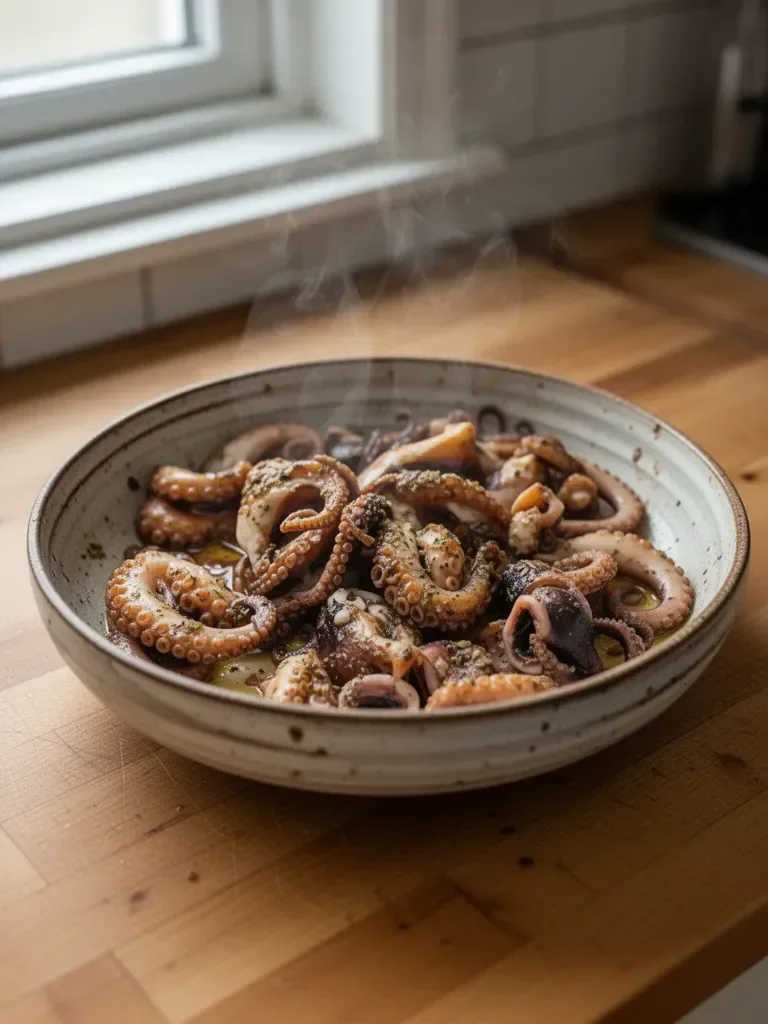
Plating can elevate the dish considerably. Arrange the octopus pieces in a striking circular pattern, drizzling the marinade over them for a glossy finish. Use fresh herbs as a garnish to add pops of color.
For a unique twist, consider serving the octopus alongside other seafood dishes. It works wonderfully with grilled fish or shrimp.
Pairings/storage
While considering what to pair with marinated baby octopus, focus on light and fresh accompaniments. A simple green salad or grilled vegetables complements the flavors beautifully. Serving it with a side of roasted potatoes can add a hearty element without overwhelming the dish.
For storage, marinated baby octopus lasts in the refrigerator for up to two days. To maintain the flavor and tenderness, keep it in an airtight container. Before serving leftovers, give them a quick toss with a bit more olive oil and a squeeze of lemon to brighten them up.
Conclusion
The process of creating marinated baby octopus brings together aromatic herbs, spices, and a focus on simplicity. With proper preparation and attention to detail, you can create a dish that resonates with both comfort and adventure. It’s about taking the culinary journey one bite at a time, allowing the flavors to unfold while embracing the experience that cooking truly offers.
Print
Marinated Baby Octopus
- Prep Time: 15 minutes
- Cook Time: 75 minutes
- Total Time: 90 minutes
- Yield: 4 servings
- Category: Main Course
- Method: Simmering
- Cuisine: Mediterranean
- Diet: Gluten-Free
Description
A delightful recipe for marinated baby octopus infused with aromatic herbs and spices, perfect for any seafood lover.
Ingredients
- 19 ounces baby octopus (cleaned, beak & ink removed)
- 5 fresh rosemary sprigs
- 5 whole cloves
- 5 black peppercorns (optional)
- 3 bay leaves
- 2 tablespoons extra virgin olive oil
- ½ teaspoon salt (or more)
- Black pepper (to taste)
- 2 teaspoons dried oregano
- 1 tablespoon balsamic vinegar (or more)
Instructions
- Begin by placing all ingredients into a medium saucepan, ensuring the octopus is fully submerged under water.
- Bring the mixture to a boil over medium-high heat.
- Once boiling, reduce the heat to low and cover the pot with a lid.
- Let it simmer for approximately one hour and fifteen minutes.
- After simmering, taste a piece of octopus to check for tenderness.
- If it’s ready, carefully drain the saucepan.
- Let the octopus cool slightly before cutting it into bite-sized pieces.
- Season the octopus with extra virgin olive oil, salt, black pepper, oregano, and balsamic vinegar.
- Mix everything well to ensure each piece is flavor-packed.
- Serve immediately or store in the fridge in an airtight container for up to two days.
Notes
Use a high-quality, heavy-bottomed saucepan to prevent sticking. Marinate longer for deeper flavor.