
📑 Table of Contents ▶
Lemon Dijon Cream Sauce for Tuna Steaks
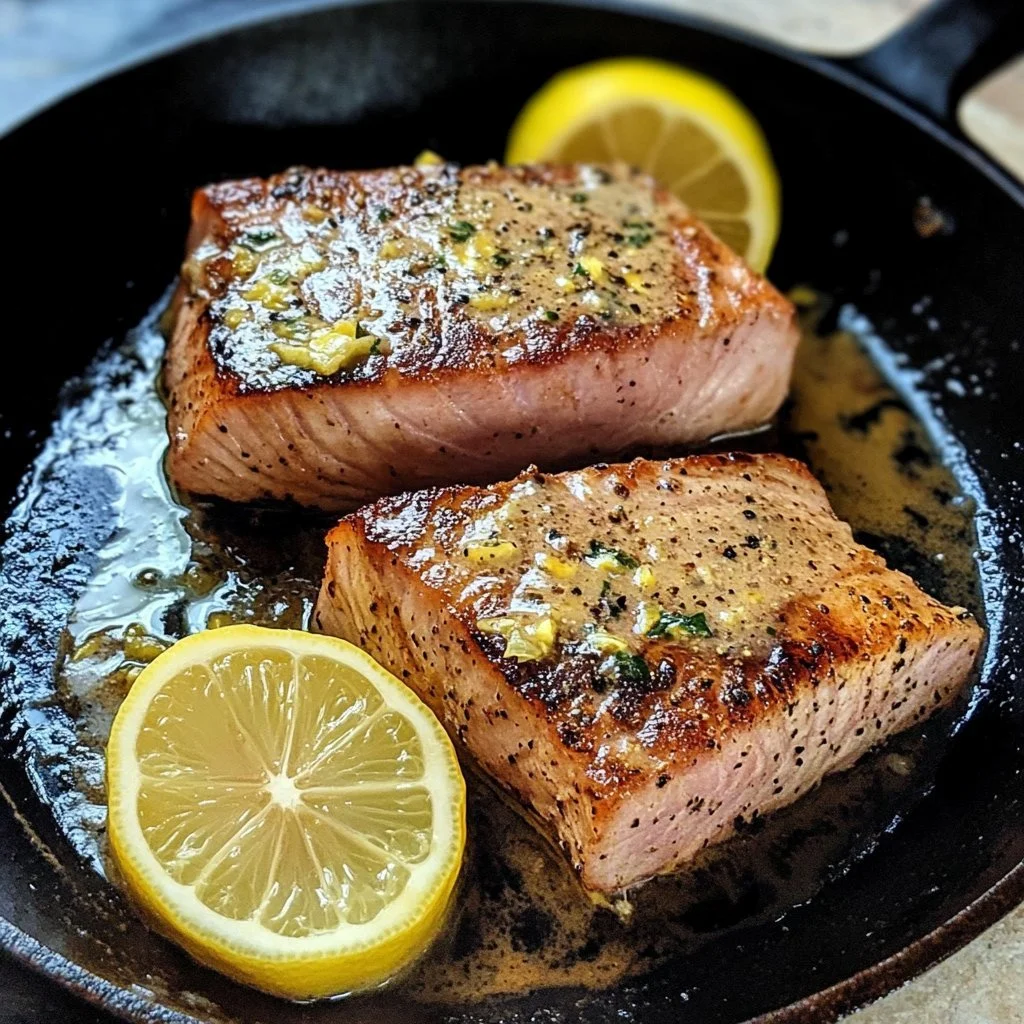
Creating a memorable meal often begins with a culinary adventure in flavors. One such adventure revolves around preparing delicious tuna steaks, especially with a delightful lemon dijon cream sauce. The beauty of this dish lies in its simplicity, yet it manages to impress time and again. Imagine searing perfectly seasoned tuna steaks while complementing them with a creamy sauce that offers a punch of tanginess and zest.
The key to making tuna steaks shine is finding the right balance between seasoning and cooking technique. The lemon dijon cream sauce plays a significant role in that. Just the right amount of lemon juice and zest brings brightness, while the dijon mustard provides a subtle depth of flavor. This sauce will enhance your tuna steaks without overwhelming them. With only a handful of ingredients, you can create a meal that captures attention and showcases your culinary skills.
As you embrace the approach to preparing this dish, you will discover that it’s not demanding and lets the tuna be the star of the plate. Let’s dive into the essentials of preparing tuna steaks with this incredible sauce that will have everyone coming back for more.
Preparing Delicious Tuna Steaks
Fundamentals
To get started, ensure you have the freshest tuna steaks available for an optimal dish. Tuna steaks not only offer a rich source of protein but also deliver such a satisfying, meaty flavor. You’ll want to select steaks that are at least 1 1/2 inches thick, as this thickness allows for perfect cooking without compromising the rare center.
The beauty of cooking tuna lies in its cooking technique. A quick sear produces a beautiful crust while keeping the interior rare. This quick process requires little more than seasoning, a hot skillet, and your undivided attention. Understanding this technique sets the stage for your dish’s success, letting you enjoy the heartiness of the tuna complemented by a rich sauce.
Preparation/setup
First, it’s essential to prepare the tuna steaks properly. Begin by allowing the tuna steaks to warm up to room temperature for about 5-10 minutes after seasoning. This step helps promote even cooking. As you wait, preheat your cast iron or nonstick skillet over medium-high heat, adding olive oil to ensure a perfect sear.
While the skillet heats, season the steaks generously with coarsely ground black pepper and salt. Patting them dry with a paper towel before seasoning can help achieve a better crust. Once your skillet is hot and the oil shimmers, you’re ready to sear. This process is simple yet incredibly effective in creating that restaurant-quality experience right in your kitchen.
Ingredients
For this recipe, you will need:
- 2 pounds tuna steaks (six servings)
- 2 tablespoons coarsely ground black pepper
- 1/2 teaspoon salt
- 1 tablespoon olive oil
- 1 tablespoon butter
- 1/2 cup heavy cream
- 1 tablespoon dijon mustard
- 1/2 cup broth (chicken, beef, or vegetable)
- 2 cloves garlic, crushed
- 1/2 lemon juiced (about 1 1/2 tablespoons lemon juice)
- Zest of 1/2 lemon
Directions
- Rub the crushed pepper generously on both sides of the tuna steaks, then sprinkle with salt. Allow them to sit out for 5-10 minutes to warm up from the refrigerator.
- Preheat your cast iron or nonstick skillet over medium-high heat. Add the olive oil and let it heat up.
- Place the tuna steaks in the hot skillet. Sear each side for about 3-5 minutes without disturbing them—the cooking time may differ depending on the thickness of your steaks.
- Flip the steaks once the meat has cooked about 1/4 of the way up from the bottom. The goal is to get a nice sear while keeping the center very rare.
- Remove the steaks from the pan when cooked to your desired doneness—3 minutes on each side is ideal for 1 1/2-inch thick steaks. Set them aside to rest as they will continue to cook slightly off heat.
- In a medium saucepan, combine the butter, heavy cream, dijon mustard, crushed garlic, lemon juice, zest, and broth. Whisk the ingredients together.
- Bring the mixture to a simmer for a few minutes without boiling, then remove it from the stove.
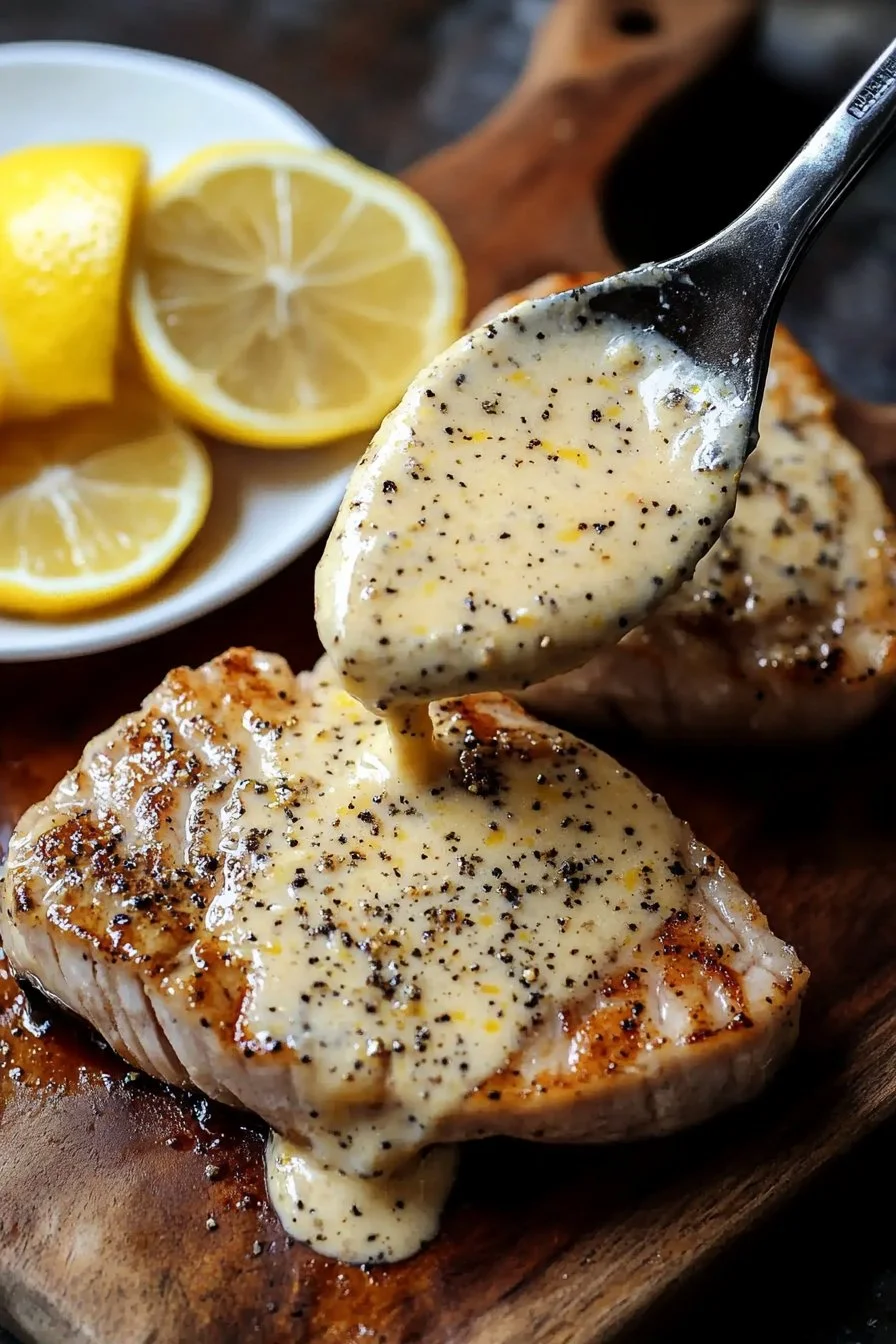
- Serve the lemon dijon cream sauce alongside or drizzled over the seared tuna steaks.
Mastering the Technique of Cooking Tuna
Techniques
Achieving the ideal doneness for tuna steaks can be tricky if you aren’t familiar with the cooking process. Always rely on timing to gauge when to flip and remove the steaks. A properly heated skillet ensures good searing, while avoiding overcooking keeps that delectable rare center intact.
For optimal results, remember that tuna steaks sear well, quickly. After flipping, keep an eye out for the color change. You want to see the meat transitioning from raw to cooked along the sides, leaving the center a beautiful red hue.
Tips and Tricks
Cooking tuna steaks may seem intimidating at first, but a few helpful tips can ease your culinary journey. Firstly, choose good-quality, fresh tuna. Look at the color and texture—fresh tuna should be bright and moist, with a firm texture.
Next, avoid overcrowding the skillet. This is crucial to maintain the heat and achieve a good sear. If you have more steaks than your skillet can handle, work in batches. Finally, trust your instincts but use a meat thermometer implemented into the thickest part of the steak as a guide. Aim for 120°F for a rare center.
Perfecting Your Meal
Perfecting Results
Achieving the perfect sear on your tuna steaks takes practice, but small adjustments can lead to success. Cooking times can slightly differ based on your stove’s heat output and skillet material. If you’re unfamiliar with your equipment, keeping notes after each cook can improve your technique.
Additionally, get to know your preferred doneness for tuna steaks. While some enjoy it extremely rare, others may lean towards medium-rare. Adjust your timing accordingly and remember that the steaks will cook a little more once removed from the heat.
Troubleshooting and Variations
If you ever end up with overcooked tuna, don’t fret. A simple fix can involve slicing the steaks into smaller pieces to enjoy with a dipping sauce or a salad. This method compensates for the texture while allowing you to savor the flavors.
Alternatively, you can create variations of the lemon dijon cream sauce by adding herbs like fresh dill or parsley. Incorporating spices can add depth if you desire a twist—consider paprika or chili flakes for an extra kick.
Serving and Presentation
Serving and Presentation
Once your lemon dijon cream sauce is ready, the next step is to focus on presentation. Slicing the tuna steaks against the grain enhances the visual appeal and allows guests to enjoy the texture better. Drizzling the cream sauce over the top brings color and vibrancy to the plate.
Using fresh herbs as a garnish can elevate the dish visually. A sprinkle of lemon zest before serving can do wonders, brightening up the flavors and enhancing the overall presentation.
Pairings and Storage
While preparing this delicious dish, consider side dishes that pair well with tuna steaks. Roasted vegetables or a fresh salad can provide complementary textures and flavors, balancing the rich cream sauce. Steamed asparagus or green beans also offer a simple yet elegant touch.
As for storage, seal any leftover tuna steaks tightly in an airtight container in the fridge. Consume within two days for the best taste, and reheat gently on low heat to maintain texture without overcooking.
Preparing lemon dijon cream sauce for tuna steaks offers a fantastic way to enjoy seafood at home. By focusing on quality ingredients, cooking techniques, and presentation, you create a dish that impresses every time. Enjoying this culinary adventure brings together flavor, simplicity, and sophistication that resonates with both cooks and diners alike.
Print
Lemon Dijon Cream Sauce for Tuna Steaks
- Prep Time: 10 minutes
- Cook Time: 15 minutes
- Total Time: 25 minutes
- Yield: 6 servings
- Category: Main Course
- Method: Searing
- Cuisine: Seafood
- Diet: Pescatarian
Description
A delightful lemon dijon cream sauce that enhances seared tuna steaks with tanginess and zest.
Ingredients
- 2 pounds tuna steaks
- 2 tablespoons coarsely ground black pepper
- 1/2 teaspoon salt
- 1 tablespoon olive oil
- 1 tablespoon butter
- 1/2 cup heavy cream
- 1 tablespoon dijon mustard
- 1/2 cup broth (chicken, beef, or vegetable)
- 2 cloves garlic, crushed
- 1/2 lemon juiced (about 1 1/2 tablespoons lemon juice)
- Zest of 1/2 lemon
Instructions
- Rub the crushed pepper generously on both sides of the tuna steaks, then sprinkle with salt. Allow them to sit out for 5-10 minutes to warm to room temperature.
- Preheat your cast iron or nonstick skillet over medium-high heat. Add the olive oil and let it heat up.
- Place the tuna steaks in the hot skillet. Sear each side for about 3-5 minutes without disturbing them.
- Flip the steaks once the meat has cooked about 1/4 of the way up from the bottom, ensuring a nice sear while keeping the center very rare.
- Remove the steaks from the pan when cooked to your desired doneness and set them aside to rest.
- In a medium saucepan, combine the butter, heavy cream, dijon mustard, crushed garlic, lemon juice, zest, and broth. Whisk together.
- Bring the mixture to a simmer for a few minutes without boiling, then remove from heat.
- Serve the lemon dijon cream sauce alongside or drizzled over the seared tuna steaks.
Notes
Opt for the freshest tuna steaks and avoid overcrowding the skillet for a perfect sear.