
📑 Table of Contents ▶
The Basics of Cooking
Exploring the warmth of a kitchen can spark fond memories. I remember the first time I sautéed fresh vegetables, enveloping the air with earthy aromas and vivid colors. Those moments intensified my passion for cooking and turned it into an art form. Cooking encapsulates creativity, especially when you focus on fresh produce and high-quality meats.
Understanding the basics of cooking requires a blend of technique and enthusiasm. Fresh produce serves as the vibrant foundation of any dish, enhancing flavors while adding nutrition. Quality meats elevate your meals, offering rich tastes that satisfy cravings. Aromatic herbs and spices create layers of flavor, transforming average recipes into culinary masterpieces.
As I’ve honed my cooking skills over the years, I’ve learned the importance of making every dish delightful. By mastering the basics, anyone can become confident in the kitchen. Embracing these foundational cooking principles leads to a more enjoyable experience in meal preparation, bringing the joy of eating to the forefront.
Let’s dive into the fundamentals of cooking, focusing on the essential techniques that ensure your meals shine.
The Fundamentals of Cooking
Fundamentals
Cooking blends science and art, transforming simple ingredients into delightful meals. Understanding the fundamentals sets the stage for success. Fresh produce brightens any dish, while high-quality meats add depth. Aromatic herbs and spices, when used correctly, enhance flavors and create culinary magic.
The first step in becoming a proficient cook involves learning basic methods, such as boiling, sautéing, and roasting. Each technique yields unique results and flavors. Familiarizing yourself with heat control also plays a crucial role in executing a dish successfully.
When working with fresh ingredients, attention to detail matters. Selecting ripe vegetables and high-quality meats ensures taste and nutrition. Equally important is choosing fresh herbs and spices, allowing their aromas and flavors to elevate any dish. Mastering these fundamental truths of cooking will instill confidence as you tackle more complex recipes with precision.
Preparation/Setup
Preparation serves as the backbone of any cooking venture. Start by gathering all your fresh produce, high-quality meats, and aromatic herbs. Ensuring each ingredient is washed and prepped allows for smooth cooking. Set your workspace for success by organizing your utensils and measuring tools. This reduces confusion and enhances the cooking process.
Heat control represents a vital aspect of preparation. Adjust temperature settings based on your cooking method to achieve optimal results. Using proper knife techniques, chop, dice, or julienne your ingredients, ensuring consistent sizes for even cooking. This attention to detail will make a noticeable difference, leading to beautifully cooked dishes.
After measuring out your spices, arrange them in a way that’s easy to access during your cooking session. This preparation leads to a more enjoyable experience in the kitchen, fostering the creative process while minimizing stress. Proper setup lays the foundation for successful and delicious meals every time.
Ingredients
When preparing a dish, selecting the right ingredients establishes the heart of the flavor profile. Choose a medley of fresh produce, such as vibrant tomatoes, crisp bell peppers, and leafy greens. Paired with high-quality meats like chicken, beef, or fish, you create a satisfying meal that pleases the palate. Utilize aromatic herbs like basil, cilantro, or thyme for added depth and complexity.
Each ingredient contributes unique textures and tastes, forming harmonious combinations. While fresh produce provides a burst of color and nutrition, high-quality meats offer richness and satiation. Follow structured recipes that highlight these ingredients effectively, allowing your creativity to flourish.
Directions
- Gather your ingredients and ensure everything is washed and prepped.
- Begin with heat control, adjusting the temperature based on your cooking method.
- Use proper knife techniques to chop, dice, or julienne ingredients.
- Measure out your spices and prepare your workspace for organization.
- Start cooking based on timing, beginning with ingredients that take longer.
- Follow a structured recipe for best results, checking doneness visually and with tools as needed.
- Present your dish thoughtfully, considering plating and garnishing with herbs or spices.
Mastering Cooking Techniques
Technique
Mastering cooking techniques empowers any cook to create delectable and visually appealing dishes. Understanding how to manipulate heat and timing plays a critical role in executing culinary tasks efficiently. From mastering sautéing to becoming adept at baking, honing these skills invites creativity and innovation.
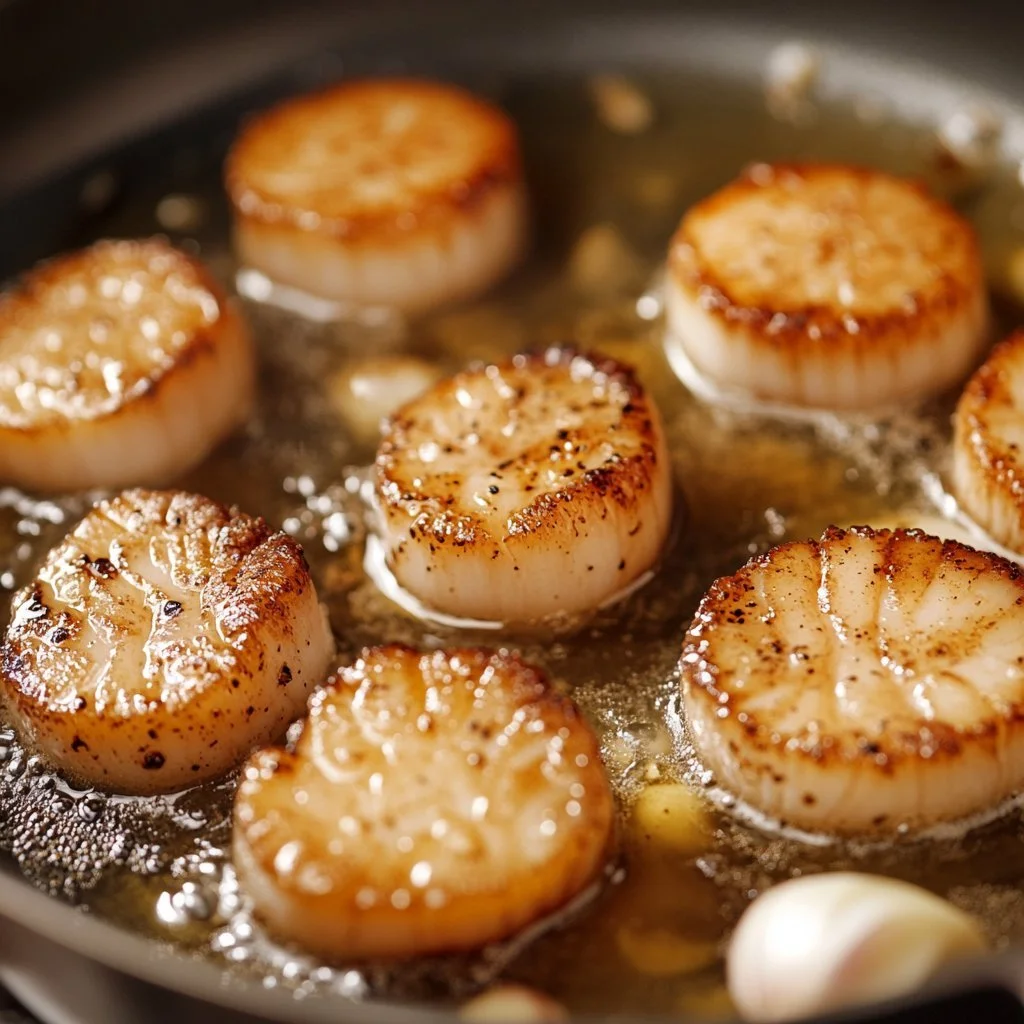
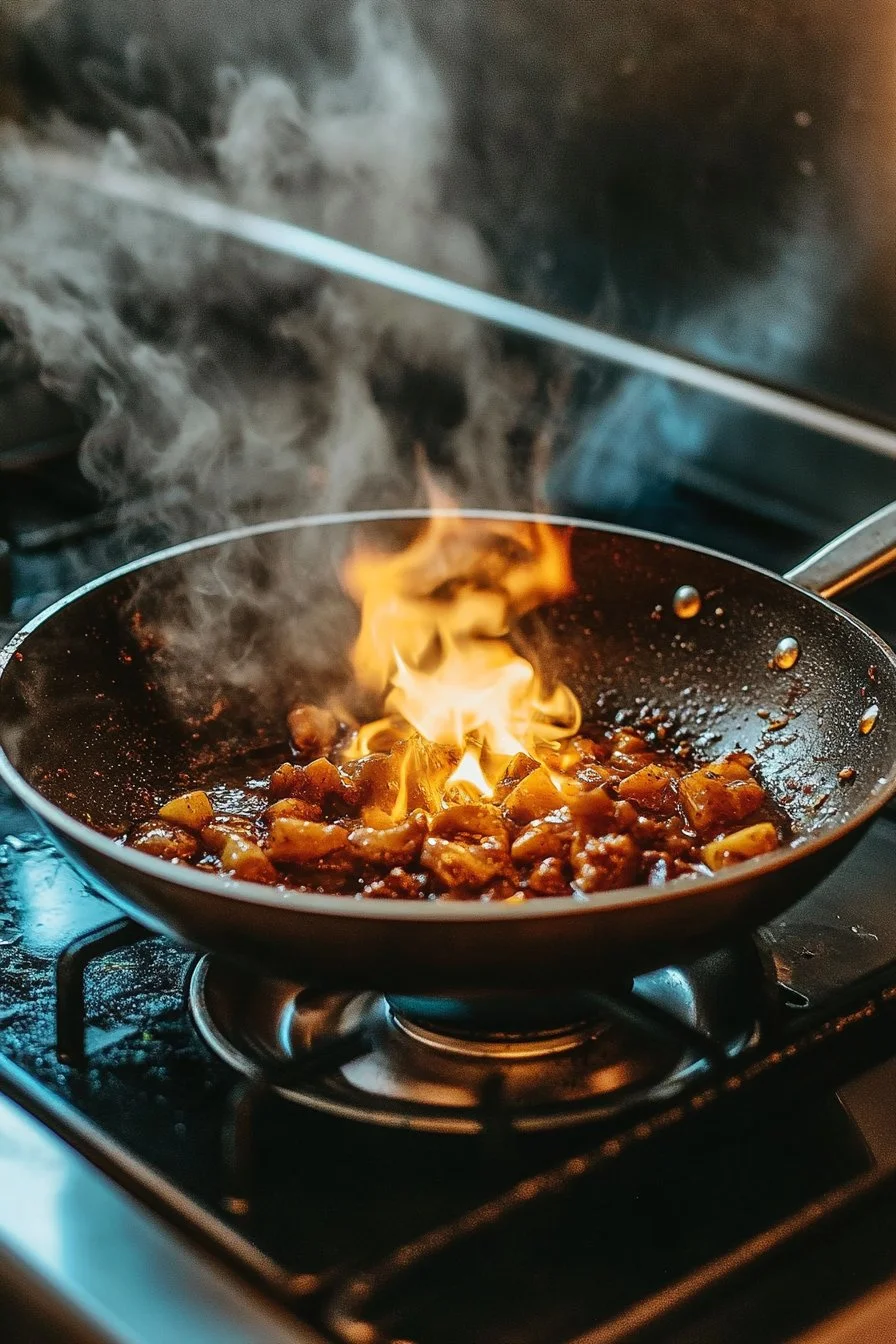
For instance, sautéing allows quick cooking while sealing in flavors. Ensure the temperature is high enough to create a beautiful caramelization on meat or vegetables without burning them. Proper flipping and stirring techniques will evenly distribute heat, resulting in balanced flavors.
Additionally, grilling meats and vegetables imparts a delightful smoky taste that transforms dishes. Using marinades or dry rubs enhances the natural flavors, showcasing the quality of the ingredients while adding depth. Practice different techniques to expand your culinary repertoire and build flexibility around flavors and textures.
Tips and Tricks
Implementing expert tips can streamline your cooking experience. Begin with mise en place, a French term meaning "everything in its place." This practice not only enhances organization but also ensures that you have all ingredients ready for use. Simplifying the process makes cooking less daunting and more enjoyable.
Don’t overlook the importance of seasoning. Tasting as you go allows you to adjust flavors, ensuring perfect seasoning every time. Fresh herbs make a notable difference, adding brightness and freshness to your dish. Aim for balance; sometimes, a squeeze of citrus brings a dish to life.
Furthermore, be adaptable with your approach. Experiment with various herbs and spices to discover your unique flavor combinations. Stay open to learning, and allow each cooking experience to teach you more about the craft. With time and practice, confidence will follow.
Perfecting Your Cooking Results
Perfecting Results
Achieving perfect results involves attention to detail and a willingness to learn. Monitor cooking times closely, as they can vary based on ingredient size and heat settings. Always reference established recipes, especially when beginning a new technique or working with unfamiliar ingredients.
Checking doneness visually and with the help of tools or thermometers ensures safety and optimal flavor. Each ingredient has an ideal cooking time. For example, vegetables like bell peppers cook quickly compared to denser vegetables such as carrots. Adjust timing accordingly to maximize flavors and achieve the best texture.
Once you master doneness, focus on presentation. Visually appealing dishes enhance the dining experience. Experiment with plating techniques—arranging ingredients artfully can elevate a simple recipe to a stunning showcase.
Troubleshooting and Variations
Every cook runs into hurdles, and knowing how to troubleshoot equips you for success. If a dish turns out too salty, balancing it with fresh produce can provide relief. Tangy or sweet elements can also neutralize overtly salty flavors.
Variation possibilities abound with recipes. Substitute ingredients based on local availability or personal preference—such as swapping different fresh produce or spices. You can adapt recipes to accommodate dietary needs or flavor profiles.
Don’t hesitate to experiment with cooking methods too. Roasting vegetables instead of steaming can impart the depth of flavor desired. Observe the results, make notes, and refine your methods. Cooking thrives on curiosity and exploration, leading to delicious, unexpected creations.
Serving and Presenting Your Dishes
Serving and Presentation
Serving and presentation transform a good meal into an extraordinary one. Begin by selecting suitable serving dishes that complement the colors and textures of your culinary creation. Plates should enhance the visual appeal of the meal.
Garnishing with fresh herbs adds a pop of color while intensifying flavors; a sprinkle of chopped parsley or a sprig of basil enhances the overall experience. Consider using contrasting colors—bright greens or a hint of red from fresh tomatoes—on a neutral plate for visual impact.
When serving, introduce guests to the story behind the dish. Share how freshly sourced ingredients contributed to the recipe. This personal touch further engages them with the experience.
Pairings and Storage
Pairings create a harmonious dining experience without crossing into forbidden territory. Consider sides like quinoa or rice that complement the flavors of your main dish. Fresh salads bursting with veggies can add a refreshing contrast to hearty meats.
Storing leftovers requires proper techniques to maintain flavor and freshness. Store in airtight containers, ensuring minimal exposure to air. Label containers with dates for easy tracking. Reheating gently preserves quality, preventing overcooking and dryness.
Embrace the full journey of cooking, from preparation to presentation, allowing each step to enrich your culinary endeavors.
Conclusion
Working through the basics of cooking unveils a world of creativity and satisfaction. Mastering these principles provides a solid foundation for any cooking journey. By using fresh produce, high-quality meats, and aromatic herbs, you can create dishes that captivate both the eye and the palate.
Pay close attention to techniques, preparation, and presentation, which refine your skills and enhance your culinary repertoire. Cooking brings joy, and as you explore various flavors and methods, each meal becomes an opportunity for discovery.
Print
The Basics of Cooking
- Prep Time: 30 minutes
- Cook Time: 30 minutes
- Total Time: 60 minutes
- Yield: 4 servings
- Category: Cooking Basics
- Method: Sautéing, Boiling, Roasting, Grilling
- Cuisine: General
- Diet: Vegetarian / Meat-based
Description
A comprehensive guide to mastering fundamental cooking techniques using fresh produce and high-quality ingredients.
Ingredients
- Fresh tomatoes
- Crisp bell peppers
- Leafy greens
- High-quality meats (chicken, beef, or fish)
- Aromatic herbs (basil, cilantro, or thyme)
Instructions
- Gather your ingredients and ensure everything is washed and prepped.
- Adjust heating settings based on your cooking method.
- Chop, dice, or julienne the ingredients using proper knife techniques.
- Measure out spices and organize your workspace.
- Start cooking with ingredients that take longer to prepare first.
- Follow structured recipes, checking doneness visually and using tools as needed.
- Present your dish thoughtfully, garnishing with herbs or spices.
Notes
Always taste as you go to adjust seasoning. Experiment with various herbs and spices to discover your preferred flavor combinations.