
📑 Table of Contents ▶
Senegalese Mafé
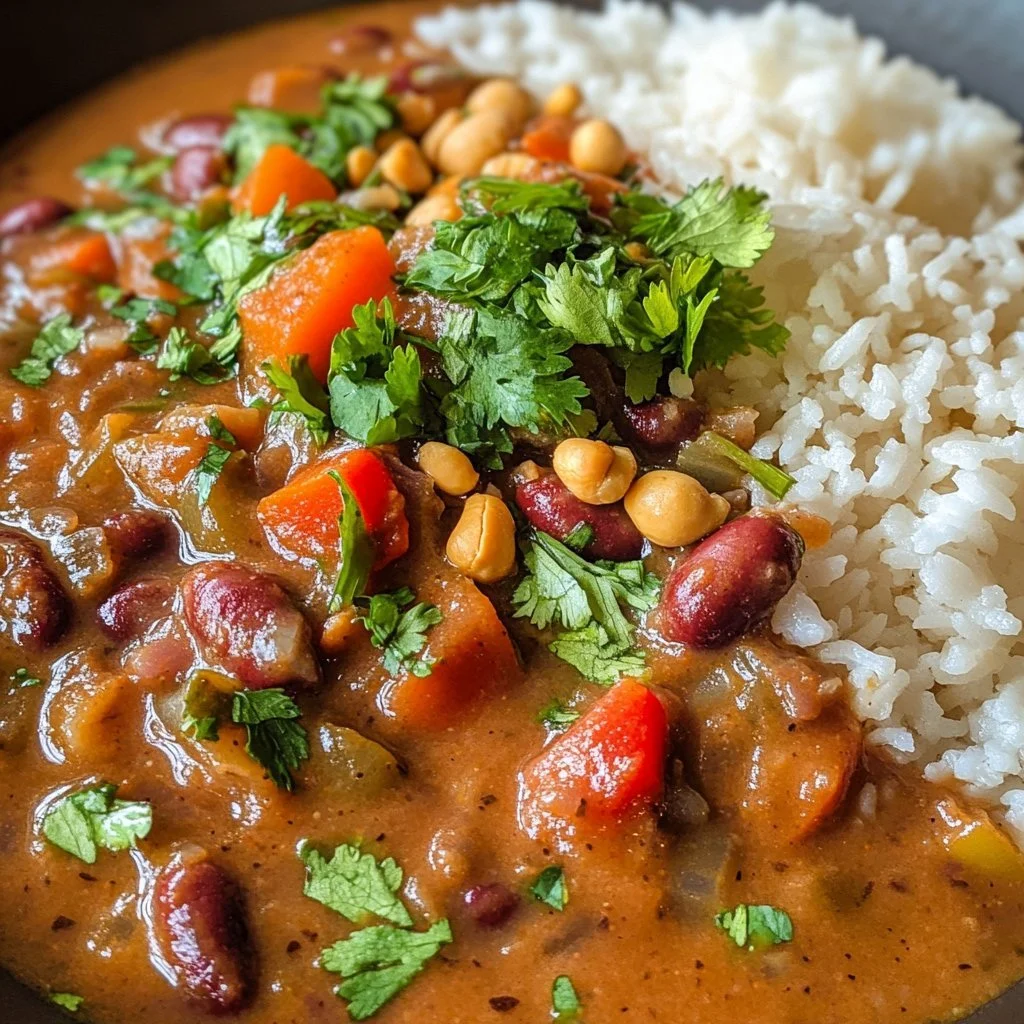
The first time I encountered Senegalese Mafé, it felt like a culinary revelation. This dish, a rich and comforting stew, showcases the unique blend of flavors that defines Senegalese cuisine. Seeing all the vibrant ingredients come together sparked my curiosity and ignited my passion for exploring diverse foods. With its creamy texture and a hearty combination of beans and sauce, Mafé embodies everything I love about cooking—bold flavors and satisfying meals.
Cooking Mafé has become a staple in my kitchen, combining the warmth of home with the exotic flair of Senegalese culture. The moment the aroma of sautéed onions and garlic fills the air, it transports me to the bustling markets of Dakar. Each bite of Mafé provides a warm hug, making it the perfect dish for any occasion, from family dinners to casual get-togethers.
In this article, you will discover how to make your own Senegalese Mafé from scratch. I will guide you through the process, sharing easy steps and helpful tips to create this flavorful dish. Let’s dive into the ingredients and techniques that make Mafé a beloved recipe worldwide.
Mafé: Fundamentals
Mafé, also known as groundnut stew, derives its name from the Wolof word for peanut. This dish celebrates key ingredients like red beans, tomato sauce, and peanut butter, which combine to create a creamy and delicious experience. Mafé typically draws from several techniques, contributing to its rich taste profile.
A strong base in any Mafé starts with sautéing onions and garlic, enhancing the flavors significantly. This fundamental step ensures that your dish bursts with authentic flavor right from the beginning. Balancing the elements of spice and creaminess also creates a delightful harmony that elevates this meal into something truly special.
When preparing Mafé, the mix of textures plays a significant role. The soft red beans meld beautifully with the thick sauce, while peanut butter adds a nuttiness that rounds out the dish. Following each step diligently ensures you achieve that perfect blend of flavors that makes Mafé a favorite among many.
Preparation/Setup
Preparing Mafé requires some simple tasks that lead to delectable results. Start by gathering all the essential ingredients on your kitchen counter. This ensures you have everything you need at your fingertips. First, cook the red beans according to the package instructions to ensure they are tender and ready for the stew.
While the beans cook, chop your onion and mince the garlic. A good knife will make this task much quicker. As you prepare these ingredients, take a moment to appreciate their vibrant colors and fresh aromas. Next, you will want to set out your pots and pans, making sure your workspace allows for efficient movement as you cook.
Once your beans are cooked and your aromatics are prepped, it’s time to gather your other essential ingredients. You will want the peanut butter, tomato sauce, and vegetable broth nearby for a seamless cooking experience. This organized setup streamlines the process, turning a busy kitchen vibe into an efficient and enjoyable cooking adventure.
Ingredients
- 200 g de haricots rouges (cuits)
- 3 cuillères à soupe de beurre de cacahuète
- 400 g de sauce tomate
- 500 ml de bouillon de légumes
- 1 oignon (haché)
- 2 gousses d’ail (émincées)
- 1 cuillère à soupe d’huile d’olive
- Sel et poivre au goût
- Riz (pour servir)
Directions
- Faites cuire les haricots rouges selon les instructions sur l’emballage.
- Dans une grande poêle, faites chauffer l’huile d’olive à feu moyen, puis ajoutez l’oignon haché et l’ail émincé. Faites revenir jusqu’à ce qu’ils soient translucides.
- Ajoutez la sauce tomate et laissez mijoter pendant quelques minutes.
- Incorporez le beurre de cacahuète et le bouillon de légumes, mélangez bien jusqu’à ce que le tout soit homogène.
- Ajoutez les haricots rouges cuits, puis assaisonnez avec du sel et du poivre.
- Laissez mijoter pendant environ 10 à 15 minutes pour que les saveurs se mélangent.
- Servez chaud sur du riz.
Mafé: Techniques
When making Senegalese Mafé, employing the right techniques is crucial for achieving optimal flavor and texture. Start by focusing on the heat levels when cooking your aromatics. Medium heat allows the onions and garlic to become fragrant without burning, which ensures a delicate flavor base.
After sautéing, control the simmering of your Mafé mix. Allow it to bubble gently as you stir in the peanut butter and broth. Proper simmering helps all the ingredients meld together, resulting in a thick and creamy stew. Avoid boiling too fiercely, as this can affect the texture and balance of the sauce.
Incorporating the red beans last helps maintain their shape. Gently fold them into the sauce and let them absorb flavors without becoming mushy. Practicing these techniques will elevate your Mafé and impress anyone who sits down to share a meal with you.
Tips/Tricks
Ensure you take advantage of the natural flavors of each ingredient. Quality tomato sauce can be a game-changer, providing depth to the stew. Selecting a smooth peanut butter, without added sugars or hydrogenated oils, will also greatly enhance the dish’s authenticity.
For an extra kick, consider adding spices like cumin or cayenne pepper during the simmering step. Adjust these spices according to your preferred heat level and taste. A squeeze of fresh lemon juice can also add brightness, cutting through the creaminess of the peanut butter.
If you have any leftovers, allow them to cool completely before storing them in an airtight container. This prevents excess moisture, retaining the dish’s integrity for future meals.
Mafé: Perfecting Results
Perfecting your Senegalese Mafé requires attention to detail and timing. Monitor your cooking times to ensure your onions are adequately sautéed and your stew simmers just right. The more time you spend refining these moments, the more balanced your flavors will become.
People often ask how to achieve the desired thickness in the stew. If it turns out too thin, allow it to simmer uncovered for a little longer. Conversely, if it’s too thick, adding a splash of broth can help reach that perfect consistency. Cooking is all about adjustments and learning to trust your palate.
If you’re experimenting with variations, consider adding vegetables like carrots or bell peppers. These additions not only enhance nutrition but also showcase vibrant colors in your dish, making it even more appealing.
Troubleshooting/Variations
At times, you may find your Mafé lacking flavor. If this happens, ensure you season adequately. Add salt and pepper, tasting as you go, to find that perfect balance. Also, double-check the freshness of your ingredients, as older products may not have the same flavor intensity.
In terms of variations, you can transform Mafé by changing the beans used. While red beans are traditional, options like chickpeas or black beans also yield deliciously different results. Each bean imparts its unique taste and texture to the dish.
For vegan options, double-check that your vegetable broth contains no added flavors that conflict with the peanut base. This ensures a harmonious blend of flavors suitable for all dietary preferences.
Mafé: Serving & Presentation
To serve your Senegalese Mafé, begin by preparing a steaming bed of rice. Spread the rice onto a plate or shallow bowl, creating a canvas for the stew. Gently ladle the Mafé over the rice, allowing the rich sauce to seep into the grains.
For presentation, consider garnishing the dish with finely chopped herbs, like parsley or cilantro. The fresh greens not only add color but also enhance the overall flavor profile. Serve the Mafé piping hot, and watch as your guests dive into this flavorful adventure.
Pairings/Storage
When it comes to pairings, the best accompaniment for Mafé remains simple—crusty bread or warm tortillas make delightful side options. These elements allow diners to savor the rich sauce and enjoy every drop.
For storage, ensure you let the Mafé cool down after cooking. Place it in an airtight container, where it can be refrigerated for up to three days. Reheat gently on the stove or in the microwave, adding a bit of broth if necessary to restore the creamy consistency.
Allowing leftovers to sit overnight fosters flavors, helping them meld beautifully for an even better meal the next day. Enjoy the satisfaction of having a delicious Mafé ready to go whenever hunger strikes.
Conclusion
Senegalese Mafé celebrates the fusion of flavors and textures that create a comforting experience. This recipe demonstrates how simple ingredients can transform into a rich, delightful dish perfect for any occasion. By mastering the techniques involved and embracing potential variations, you can make Mafé a regular in your culinary repertoire.
From the simmering aroma of onions and garlic to the creamy allure of peanut butter, every step brings you closer to a delicious meal. Make it your own, and savor each bite as you explore the vibrant world of Senegalese cuisine.
Print
Senegalese Mafé
- Prep Time: 15 minutes
- Cook Time: 30 minutes
- Total Time: 45 minutes
- Yield: 4 servings
- Category: Main Course
- Method: Simmering
- Cuisine: Senegalese
- Diet: Vegetarian
Description
A rich and comforting stew that combines red beans, tomato sauce, and peanut butter for a creamy, flavorful experience.
Ingredients
- 200 g red beans (cooked)
- 3 tablespoons peanut butter
- 400 g tomato sauce
- 500 ml vegetable broth
- 1 onion (chopped)
- 2 cloves garlic (minced)
- 1 tablespoon olive oil
- Salt and pepper to taste
- Rice (for serving)
Instructions
- Cook the red beans according to the package instructions.
- In a large skillet, heat the olive oil over medium heat, then add the chopped onion and minced garlic. Sauté until translucent.
- Add the tomato sauce and let it simmer for a few minutes.
- Incorporate the peanut butter and vegetable broth, mixing well until smooth.
- Add the cooked red beans, then season with salt and pepper.
- Let it simmer for about 10 to 15 minutes for the flavors to meld.
- Serve hot over rice.
Notes
To enhance flavor, quality tomato sauce and smooth peanut butter are recommended. Adjust spices according to taste.