
📑 Table of Contents ▶
Japanese Seaweed Salad (Wakame)
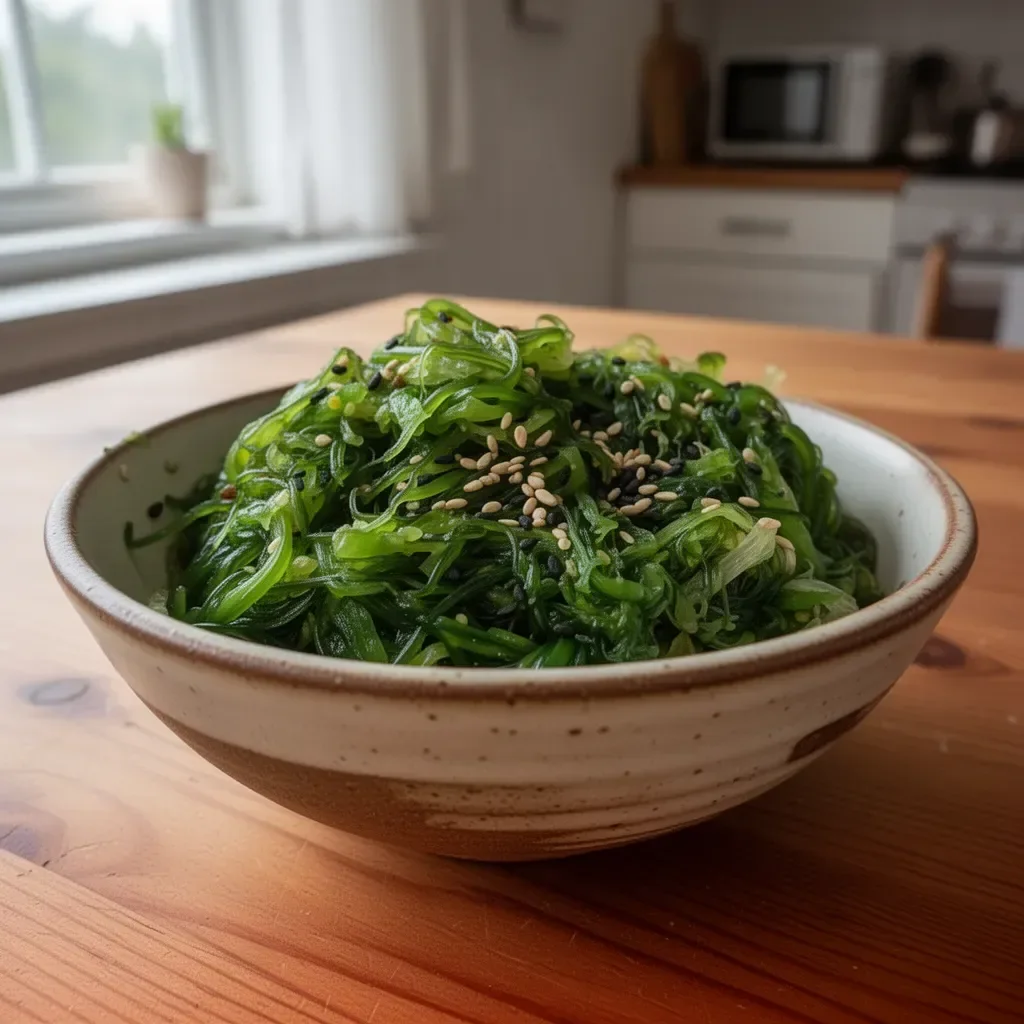
Discovering the vibrant world of Japanese cuisine can ignite a culinary journey like no other. Among the treasures of this cuisine lies the Japanese seaweed salad, a dish that perfectly balances flavors and textures. My first encounter with this salad was during a family gathering at a local sushi restaurant. The freshness of the wakame seaweed combined with a zesty dressing captivated my taste buds immediately.
The delightful crunch of cucumber paired with the umami flavor of the seaweed made the entire experience unforgettable. As I learned more about this dish, I realized that Japanese seaweed salad not only offers a burst of flavor but also serves as a nutritious addition to any meal. With its endless variations, preparing this salad at home felt like an adventure waiting to unfold.
Each bite unfolded layers of flavor, from the salty notes of soy sauce to the subtle sweetness of mirin. Now, making Japanese seaweed salad is a cherished ritual in my kitchen. It brings friends and family together, celebrating the beauty of simple ingredients transformed into something extraordinary.
Japanese Seaweed Salad: Fundamentals
Wakame seaweed serves as the primary ingredient in this salad. This dried seaweed offers a delicate texture, making it ideal for soaking up the flavors of the dressing. Rich in nutrients, wakame contains vitamins and minerals beneficial for health.
Before diving into preparation, a few key points about wakame will enhance your experience. Aim to use high-quality dried wakame for optimal flavor and texture. The soaking process rehydrates the seaweed, allowing it to regain its original softness while retaining its unique umami characteristics.
Understanding the dressing also plays a crucial role in this salad. The combination of soy sauce, rice vinegar, mirin, and sesame oil creates a harmonious blend that elevates the taste. Incorporating ingredients like sugar, ginger, and garlic adds depth and complexity. Cooking becomes a joyful exploration of flavors through these basic yet effective elements.
Preparation/setup
Start by gathering all the ingredients for the salad. If you haven’t tried dried wakame before, you might be surprised at how small and compact it looks. But don’t be fooled—once you soak it in water, it transforms into a luscious, vibrant green seaweed full of flavor and nutrients.
Once you have assembled your ingredients, prepare the dressing. Whisking together the soy sauce, rice vinegar, mirin, sugar, grated ginger, grated garlic, and sesame oil creates a deliciously aromatic mixture. The dressing will serve as the heart and soul of your Japanese seaweed salad.
Next, move on to the wakame. Place the dried wakame in a medium-sized bowl and cover it with water. Let it sit for about 10 minutes to rehydrate fully. While it soaks, this is the perfect time to prepare the cucumber. Thinly slice the baby cucumber, keeping the skin on for added color and nutrition.
Ingredients
- 50 grams (1.7 ounces) dried wakame seaweed
- 3 tablespoons reduced-sodium soy sauce
- 1 tablespoon rice vinegar
- 1 tablespoon mirin
- 1 teaspoon sugar
- 1 teaspoon grated ginger
- ½ teaspoon grated garlic
- 1 tablespoon toasted sesame oil
- ¼ teaspoon red pepper flakes
- 1 baby cucumber (skin on), very thinly sliced
- ½ teaspoon toasted white sesame seeds
- ½ teaspoon black sesame seeds
Directions
-
Place the dried wakame in a medium-sized bowl and cover it with water. Let it sit for 10 minutes until fully rehydrated.
-
While the seaweed soaks, prepare the dressing by whisking together soy sauce, rice vinegar, mirin, sugar, grated ginger, grated garlic, sesame oil, and red pepper flakes in a separate bowl. Set aside.
-
After the wakame is rehydrated, strain it in a colander and rinse thoroughly, removing as much moisture as possible.
-
In a bowl with the dressing, add the rehydrated wakame, thinly sliced cucumber, and sesame seeds. Toss well to coat.
-
Cover the salad and chill in the refrigerator for 30 minutes to 1 hour.
-
When ready to serve, garnish with extra sesame seeds.
Japanese Seaweed Salad: Technique
Creating a beautiful Japanese seaweed salad is all about attention to detail and techniques that enhance both flavor and presentation. Getting familiar with the techniques involved in preparing this salad will transform your overall cooking experience.
Firstly, ensure that the wakame is adequately soaked but not overdone. Over-soaking can lead to a mushy texture, which diminishes the seaweed’s natural integrity. Aim for a firm yet tender result that will complement the crunchy cucumber.
In terms of cutting technique, when slicing the cucumber, aim for very thin slices. A mandoline slicer can help achieve precision, resulting in even pieces that distribute expertly throughout the salad. The slices should have enough crunch to provide a delightful contrast to the soft wakame.
Tips/tricks
Mastering the balance in the dressing can significantly impact the overall taste of the salad. Adjust sugar levels based on your preference for sweetness or acidity. Adding a bit more rice vinegar can brighten the salad, while extra sesame oil can deepen its flavor.
When it comes to garnishing, think beyond sesame seeds—chopped scallions or a sprinkle of toasted nori can elevate presentation. Experimenting with different toppings can bring new life to this classic dish every time you prepare it.
Consider making this salad in larger batches to enjoy throughout the week. Japanese seaweed salad keeps well in the fridge and may even taste better after the flavors meld for a day.
Japanese Seaweed Salad: Perfecting Results
To perfect your Japanese seaweed salad, pay attention to the freshness of your ingredients. Fresh wakame yields a more vibrant flavor, while fresh cucumbers add that essential crunch to the dish.
Regularly taste the dressing as you prepare it. Adjust the ingredients as you mix, creating a dressing that reflects your taste preferences. Are you longing for a touch more heat? Add a pinch of red pepper flakes, or if you desire more complexity, consider adding a hint of citrus zest.
Troubleshooting/variations
Sometimes, you might find your wakame to be too salty after soaking. If this happens, rinse the seaweed thoroughly to balance the saltiness.
If you want variations, consider adding other vegetables such as thinly sliced carrots or radishes for added color and nutritional benefits. Introducing toasted nuts or seeds provides a delightful crunch, enhancing each bite’s experience.
Japanese Seaweed Salad: Serving/presentation
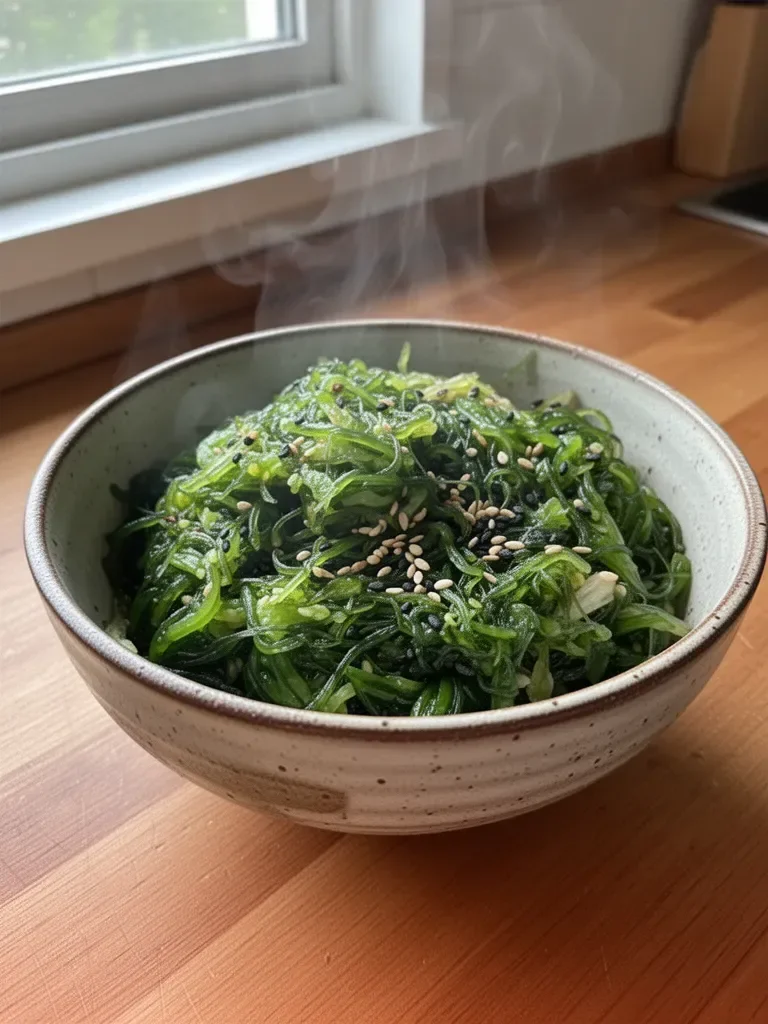
Serving your Japanese seaweed salad should evoke welcoming, vibrant energy. Use a beautiful white or blue bowl to contrast the deep greens and bright cucumber slices, making the dish visually appealing.
For a special touch, consider creating single servings in smaller bowls or glass jars, allowing guests to admire the layers of green and white.
Pairings/storage
Japanese seaweed salad pairs brilliantly with a variety of dishes, including grilled fish or chicken. The freshness of the salad complements the heartiness of a warm protein.
Store any leftovers in an airtight container in the refrigerator, allowing flavors to meld overnight. The salad will keep well for up to two days; just remember to stir gently before serving to redistribute the dressing.
Conclusion
Japanese seaweed salad captures the essence of flavor and nutrition, making it a remarkable addition to any meal. Through the soaking technique, dressing harmonization, and creative garnishing, anyone can make this dish a staple in their kitchen. As you embark on your culinary adventure with Japanese seaweed salad, remember to have fun and experiment with flavors, bringing your personal touch to this delightful dish.
Print
Japanese Seaweed Salad (Wakame)
- Prep Time: 10 minutes
- Cook Time: 0 minutes
- Total Time: 40 minutes
- Yield: 4 servings
- Category: Salad
- Method: No Cook
- Cuisine: Japanese
- Diet: Vegetarian
Description
A refreshing and nutritious Japanese salad featuring wakame seaweed, cucumber, and a zesty dressing.
Ingredients
- 50 grams (1.7 ounces) dried wakame seaweed
- 3 tablespoons reduced-sodium soy sauce
- 1 tablespoon rice vinegar
- 1 tablespoon mirin
- 1 teaspoon sugar
- 1 teaspoon grated ginger
- ½ teaspoon grated garlic
- 1 tablespoon toasted sesame oil
- ¼ teaspoon red pepper flakes
- 1 baby cucumber (skin on), very thinly sliced
- ½ teaspoon toasted white sesame seeds
- ½ teaspoon black sesame seeds
Instructions
- Place the dried wakame in a medium-sized bowl and cover it with water. Let it sit for 10 minutes until fully rehydrated.
- While the seaweed soaks, prepare the dressing by whisking together soy sauce, rice vinegar, mirin, sugar, grated ginger, grated garlic, sesame oil, and red pepper flakes in a separate bowl. Set aside.
- After the wakame is rehydrated, strain it in a colander and rinse thoroughly, removing as much moisture as possible.
- In a bowl with the dressing, add the rehydrated wakame, thinly sliced cucumber, and sesame seeds. Toss well to coat.
- Cover the salad and chill in the refrigerator for 30 minutes to 1 hour.
- When ready to serve, garnish with extra sesame seeds.
Notes
Adjust sweetness in the dressing to personal preference and feel free to add other vegetables for variation.