
📑 Table of Contents ▶
- Butter-Baked Haddock: Fundamentals
- H3: Fundamentals
- H3: Preparation/Setup
- H3: Ingredients
- H3: Directions
- Delicious Variations of Butter-Baked Haddock
- H3: Technique
- H3: Tips/Tricks
- Creating the Perfect Butter-Baked Haddock
- H3: Perfecting Results
- H3: Troubleshooting/Variations
- Serving Your Butter-Baked Haddock
- H3: Presentation
- H3: Pairings/Storage
- Conclusion
Butter-Baked Haddock
Fresh fish brings back memories of family dinners filled with laughter and warmth. The simple act of bringing a delightful dish to the table can transform an ordinary weeknight into something special. Butter-baked haddock stands out as a fast and flavorful solution for busy evenings.
A perfect haddock fillet melts in your mouth while the subtle flavors of lemon, butter, and herbs dance together. While some people shy away from cooking fish due to overcooked or dry results, butter-baked haddock offers a forgiving method. The melted butter not only keeps the fish moist but also infuses it with richness.
As a health-conscious choice, this dish fits seamlessly into a balanced diet. Packed with protein and omega-3 fatty acids, it marks a delicious way to enjoy seafood with family. Moreover, it only takes a handful of ingredients and very little time in the kitchen.
Ready to dive into a delicious butter-baked experience? Let’s explore how to achieve this delightful dish step by step.
Butter-Baked Haddock: Fundamentals
H3: Fundamentals
Butter-baked haddock showcases the delightful textures and flavors of knowing how to prepare fresh fish. This dish’s beauty lies in its simplicity. You need to start with quality haddock fillets and a few essential ingredients.
When choosing your fish, opt for boneless and skinless fillets. Both fresh and frozen options work, as long as the thawing process follows safe practices. Haddock is known for its mild flavor, which makes it an excellent choice for those who are new to seafood.
The baking process allows the dish to develop a beautiful golden crust while sealing in moisture. Butter’s richness further elevates the fish, transforming it into the star of your dinner table.
H3: Preparation/Setup
Before beginning your baking adventure, prepping your workspace serves as an essential first step. Preheat your oven to 375°F, ensuring a hot environment that helps achieve the perfect texture.
Patting the fish dry with paper towels ensures that the seasonings stick to the fillets. Place the fish in a baking dish and make sure the fillets sit in a single layer. This positioning ensures even cooking, making your haddock turn out perfectly moist.
As you arrange the fish, gather your ingredients: melted butter, lemon juice, salt, pepper, paprika, and parsley. These components harmonize superbly to provide flavor without overwhelming the natural taste of the fish.
H3: Ingredients
- 1 pound haddock fillets (boneless and skinless, fresh or frozen, thawed)
- ½ cup melted butter
- ¼ large lemon (for about 2 teaspoons of juice total; bottled lemon juice can be used instead)
- 1 teaspoon salt (divided; kosher salt recommended)
- ½ teaspoon black pepper (divided)
- 1 teaspoon paprika (divided)
- 1 teaspoon dried parsley (divided)
H3: Directions
- Preheat the oven to 375°F.
- Pat the fish dry with paper towels.
- Place the fish in a baking dish in a single layer.
- Pour the melted butter over the fish.
- Squeeze the juice from the lemon quarter evenly over the fish (about ½ teaspoon of juice per fillet).
- Season each fish fillet with ¼ of the salt and pepper.
- Sprinkle each fillet with ¼ of the paprika and dried parsley.
- Bake for 10 to 20 minutes, basting with the butter every 5 minutes. The fish is done when it reaches an internal temperature of 145°F and flakes easily with a fork. It should have an opaque white color.
- Serve immediately, drizzling with a little butter from the pan if desired.
Delicious Variations of Butter-Baked Haddock
H3: Technique
Mastering the technique of butter-baking opens doors to experimentation. Continue to use the same foundation of ingredients, yet play with the amounts for a customized touch. Increase the lemon juice for a tangy flavor that peers through the rich butter, or adjust the spices to align with personal preferences.
Alternate herbs can also add freshness. Consider switching out dried parsley for dill or thyme. Both herbs complement haddock well while offering unique flavor profiles.
Experimentation allows you to connect personal tastes with tried-and-true methods, making each cooking experience unforgettable.
H3: Tips/Tricks
Achieving buttery goodness involves a few handy tricks. First, remember never to overcrowd the baking dish. Allow space for airflow around each fillet to ensure even cooking.
Basting with butter every five minutes guarantees that the fish remains moist throughout the baking process. For an extra layer of flavor, add sliced garlic or shallots to the melted butter before drizzling over the fish.
Keeping an eye on the internal temperature of the fish helps ensure you achieve the perfect doneness. The 145°F target is essential for that flaky, tender result.
Creating the Perfect Butter-Baked Haddock
H3: Perfecting Results
For the best results, prioritize the quality of the fish. Fresh or properly frozen fillets make a noticeable difference in taste. Always select haddock from reputable sources.
If cooking from frozen, allow adequate thaw time. It’s best to place the fillets in the refrigerator overnight. Once thawed, they retain moisture and flavor during cooking.
Additionally, adjusting cooking times based on your oven type contributes to superb outcomes. Each oven has its quirks, so keep an eye on your fish, especially if it’s your first time.
H3: Troubleshooting/Variations
Sometimes, culinary challenges arise. Should the fish appear less flaky, check the oven temperature. If the fish takes longer to cook than expected, the most common culprits are oven inconsistencies or overly thick fillets.
If the butter begins to brown too quickly, cover the dish loosely with aluminum foil to prevent over-browning while maintaining moistness.
Feel free to explore variations on sides that accompany butter-baked haddock too. Adding steamed vegetables or fresh salads balances the richness of the fish while enhancing the meal’s presentation.
Serving Your Butter-Baked Haddock
H3: Presentation
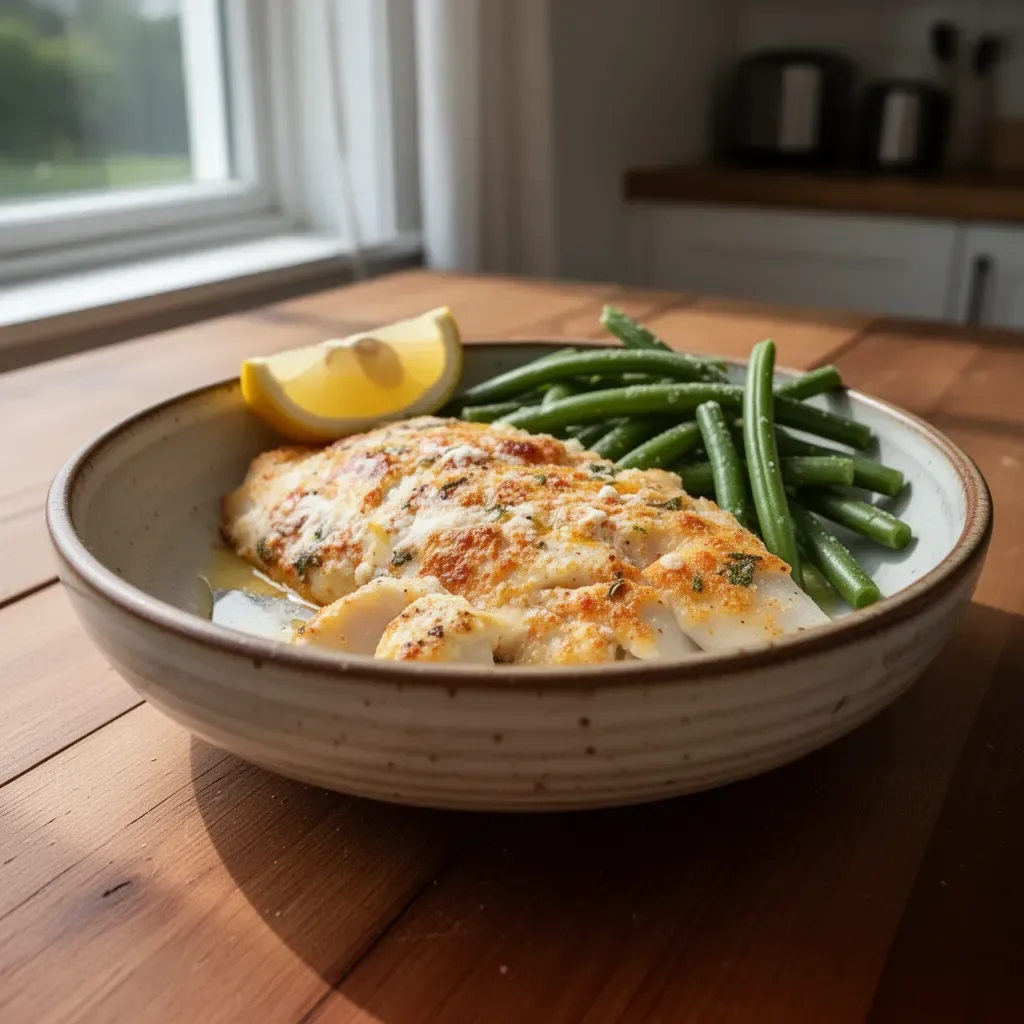
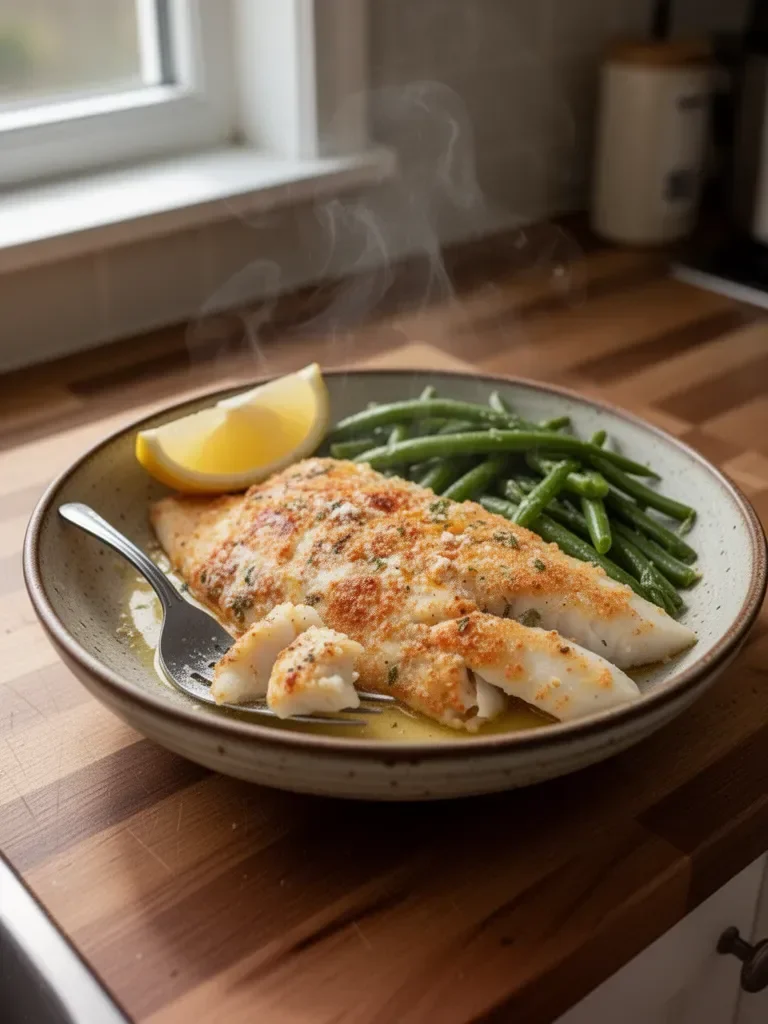
When serving butter-baked haddock, a clean, simple presentation highlights the meal’s beauty. Place each fillet on a plate, allowing the glistening buttery surface to shine.
Garnish with a sprinkle of fresh herbs or extra lemon wedges for a pop of color. Consider presenting the dish with a side of roasted vegetables or classic rice pilaf, which provides a wonderful texture contrast.
H3: Pairings/Storage
Butter-baked haddock pairs beautifully with various sides. Try pairing it with starches like quinoa, mash potatoes, or couscous.
As for condiments, a light tartar sauce or a homemade herb dip perfectly complements the delicate flavors.
For leftover storage, refrigerate any unused fish in an airtight container. Properly stored, it will remain fresh for up to three days. Re-heat gently in the oven to preserve texture, avoiding a microwave that may overcook remaining fillets.
Conclusion
This delightful butter-baked haddock recipe invites everyone to appreciate the joys of seafood cooking. Prepare it for a cozy family dinner or an impressive gathering with friends. Enjoy flavorful bites infused with butter and lemon for an unforgettable experience. With its straightforward steps and comforting taste, this dish is bound to become a favorite in your home.
Print
Butter-Baked Haddock
- Prep Time: 10 minutes
- Cook Time: 20 minutes
- Total Time: 30 minutes
- Yield: 4 servings
- Category: Main Course
- Method: Baking
- Cuisine: Seafood
- Diet: Pescatarian
Description
A fast and flavorful butter-baked haddock dish that transforms family dinners with its delightful combination of lemon, butter, and herbs.
Ingredients
- 1 pound haddock fillets (boneless and skinless, fresh or frozen, thawed)
- ½ cup melted butter
- ¼ large lemon (for about 2 teaspoons of juice total; bottled lemon juice can be used instead)
- 1 teaspoon salt (divided; kosher salt recommended)
- ½ teaspoon black pepper (divided)
- 1 teaspoon paprika (divided)
- 1 teaspoon dried parsley (divided)
Instructions
- Preheat the oven to 375°F.
- Pat the fish dry with paper towels.
- Place the fish in a baking dish in a single layer.
- Pour the melted butter over the fish.
- Squeeze the juice from the lemon quarter evenly over the fish (about ½ teaspoon of juice per fillet).
- Season each fish fillet with ¼ of the salt and pepper.
- Sprinkle each fillet with ¼ of the paprika and dried parsley.
- Bake for 10 to 20 minutes, basting with the butter every 5 minutes. The fish is done when it reaches an internal temperature of 145°F and flakes easily with a fork. It should have an opaque white color.
- Serve immediately, drizzling with a little butter from the pan if desired.
Notes
For best results, prioritize the quality of the fish and adjust cooking times based on your oven type.