
📑 Table of Contents ▶
- Part 1 — Nova Scotia Seafood Chowder Essentials
- Fundamentals
- Preparation/setup
- Directions
- Part 2 — Crafting Seafood Chowder Mastery
- Technique
- Tips/tricks
- Part 3 — Achieving the Perfect Seafood Chowder
- Perfecting results
- Troubleshooting/variations
- Part 4 — Presenting Your Seafood Chowder
- Serving/presentation
- Pairings/storage
- Conclusion
Nova Scotia Seafood Chowder
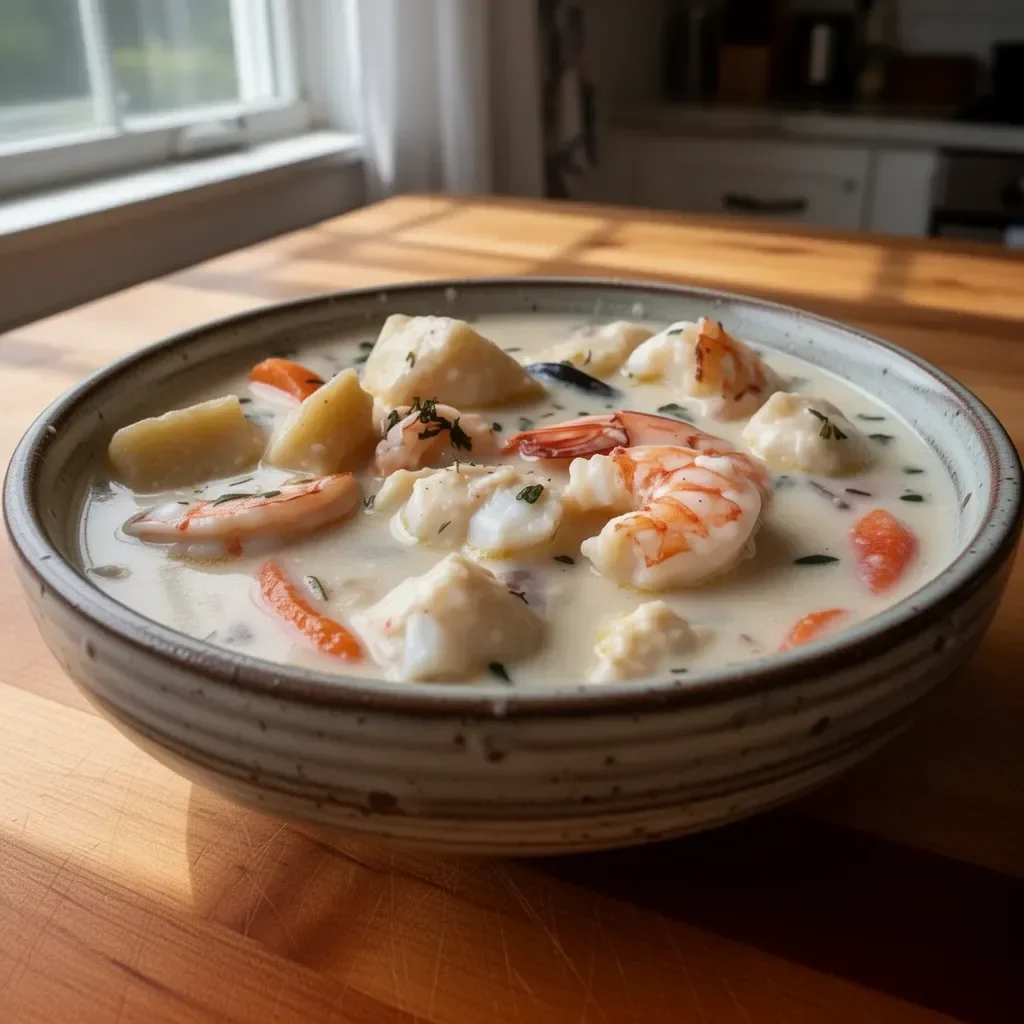
Diving into the world of seafood chowder brings back fond memories of family gatherings on the coast. The vibrant flavors of fresh fish, shrimp, and creamy broth remind me of weekends spent by the sea, savoring every spoonful as waves lapped at the shore. It’s not just a meal; it’s an experience that connects generations through shared recipes and laughter.
Creating a bowl of Nova Scotia seafood chowder transforms ingredients into culinary magic. With every diced onion and minced garlic, the anticipation builds. This chowder marries the richness of seafood stock with fresh ingredients, resulting in a dish that warms the soul. Crack some crusty bread alongside, and you have a comforting meal ready to share.
Crafting this chowder satisfies cravings for something hearty yet refined. The blend of thyme and Old Bay seasoning adds a touch of complexity, enhancing the natural flavors of the sea. In just a few simple steps, you’ll create a delightful seafood chowder perfect for cozy evenings or festive gatherings.
Part 1 — Nova Scotia Seafood Chowder Essentials
Fundamentals
The beauty of Nova Scotia seafood chowder lies in its simplicity and the quality of ingredients. Fresh seafood plays a starring role, whether it’s tender fish like haddock or cod, succulent shrimp, or sweet scallops. Every bite captures the essence of the ocean, making it an indulgent yet comforting dish.
To create an authentic chowder, focus on gathering high-quality seafood. The combination of fish, shrimp, and scallops ensures a delightful texture and flavor. Optional mussels or clams can elevate it further, but the core seafood trio holds up superbly on its own. Surround them with fresh vegetables for added depth, making every spoonful a testament to coastal cuisine.
Preparation/setup
Begin by organizing your kitchen space. Gather your seafood, vegetables, and dairy. This preparation ensures a smooth cooking experience. Once you have everything in place, the cooking process transforms from a chore to a joyful exploration of flavors.
Start with a large pot, the perfect vessel for simmering and melding flavors. Melt the butter over medium heat, allowing it to coat the base while adding a rich flavor. Cooking the aromatic vegetables establishes a foundation, transforming your kitchen into a warm and inviting space.
Ingredients
To craft this delicious chowder, gather the following ingredients:
- ½ lb white fish (haddock, cod, or halibut)
- ½ lb shrimp
- ½ lb scallops
- ½ lb mussels or clams (optional)
- 1 small onion (diced)
- 2 celery stalks (diced)
- 1 medium carrot (diced)
- 2 medium potatoes (peeled & diced)
- 3 cups seafood stock
- 1 cup heavy cream
- 1 cup whole milk
- ½ tsp salt
- ½ tsp black pepper
- ½ tsp thyme
- ½ tsp Old Bay seasoning (optional)
- 2 tbsp butter
- 2 cloves garlic (minced)
- ¼ cup fresh parsley (chopped)
- 1 tbsp lemon juice
Directions
- Melt butter in a large pot over medium heat. Sauté onions, celery, and carrots for 3-4 minutes until softened. Add garlic and cook for another minute.
- Add potatoes and seafood stock. Simmer for 10 minutes until potatoes are tender.
- Reduce heat to low. Stir in cream, milk, salt, pepper, thyme, and Old Bay seasoning.
- Add fish, shrimp, scallops, and mussels (if using). Simmer for 5-7 minutes until seafood is cooked through and mussels open. Do not boil.
- Stir in parsley and lemon juice. Adjust seasoning if needed.
- Ladle into bowls and enjoy with crusty bread or crackers.
Part 2 — Crafting Seafood Chowder Mastery
Technique
Perfecting your seafood chowder technique involves understanding the cooking process. Each step plays a vital role in developing flavors and ensuring proper texture. Melting the butter first allows the vegetables to soften without burning, releasing their natural sugars and enhancing the overall taste.
Simmering the potatoes in seafood stock lays the groundwork for a robust flavor profile. When adding dairy, lowering the heat prevents curdling and creates a creamy consistency that complements the seafood beautifully.
Tips/tricks
Use fresh seafood whenever possible for the best results. Sourcing from local fish markets guarantees higher quality. If you’re cooking the chowder on a busy weeknight, consider prepping the vegetables ahead of time. Chopping them earlier in the day saves time and keeps your cooking experience enjoyable.
Another handy tip is to taste as you go. Adjust seasonings based on your preferences. If you like a more pronounced herb flavor, add extra thyme or a dash more Old Bay seasoning to suit your palate.
Part 3 — Achieving the Perfect Seafood Chowder
Perfecting results
Perfecting your seafood chowder requires attention to detail. Ensure the seafood is just cooked through. Overcooking may lead to a rubbery texture, which diminishes the dish’s quality. Timing is critical; a gentle simmer ensures even cooking while preserving the seafood’s delicate flavor.
Maintain the chowder’s integrity by serving it immediately after cooking. The creamy texture and rich aromas delight the senses but may lose appeal if left standing too long.
Troubleshooting/variations
Common issues include watery chowder or too strong of a seafood flavor. If the chowder ends up too thin, consider adding a light roux or reducing the stock initially used. To balance strong seafood flavors, increase the amount of vegetables or dairy. Each tweak transforms the dish into your own masterpiece.
Feel free to experiment with other seafood if desired. Crab or lobster meat make excellent additions, adding indulgence to your chowder.
Part 4 — Presenting Your Seafood Chowder
Serving/presentation
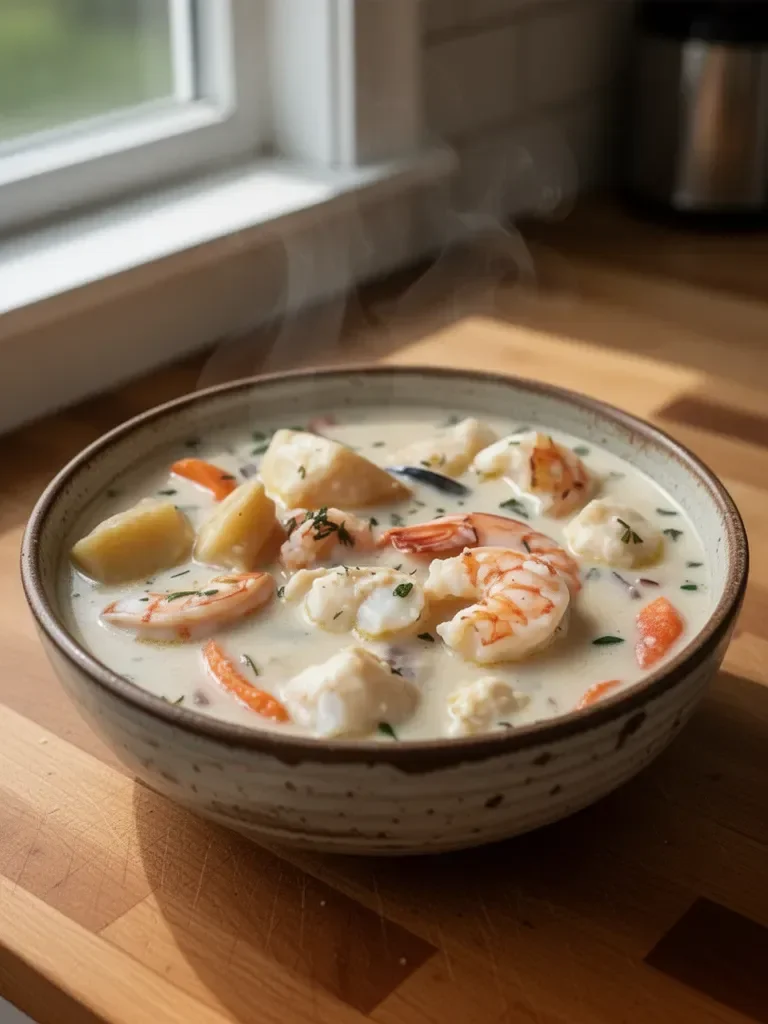
Serve your Nova Scotia seafood chowder in warm, shallow bowls. Garnish with freshly chopped parsley for a splash of color and a hint of freshness. Ensure you have a basket of crusty bread or crackers on the side, ready to soak up the delicious broth. This presentation invites guests to dig in and enjoy every bite, fostering a warm, communal dining experience.
Pairings/storage
Pair this chowder with a fresh green salad for a well-rounded meal. Simple side dishes allow the soup’s flavors to shine. For storage, keep leftover chowder in an airtight container in the fridge for up to three days. Reheat gently on the stove, adding a splash more cream or milk if needed to restore its luscious consistency.
Conclusion
Drawing from cherished memories, the Nova Scotia seafood chowder captures the essence of coastal cuisine in one delightful bowl. Each ingredient plays a crucial role, coming together in a creamy broth that warms both body and soul. As the flavors mingle and develop, this chowder embodies comfort food. Whether it’s a weeknight dinner or a gathering with loved ones, this chowder creates moments worth savoring, dish after dish. Enjoy crafting this seafood sensation in your kitchen today.
Print
Nova Scotia Seafood Chowder
- Prep Time: 15 minutes
- Cook Time: 30 minutes
- Total Time: 45 minutes
- Yield: 4 servings
- Category: Main Course
- Method: Stovetop
- Cuisine: Seafood
- Diet: Gluten-Free
Description
A warm and comforting seafood chowder featuring fresh fish, shrimp, and creamy broth, perfect for cozy evenings or festive gatherings.
Ingredients
- ½ lb white fish (haddock, cod, or halibut)
- ½ lb shrimp
- ½ lb scallops
- ½ lb mussels or clams (optional)
- 1 small onion (diced)
- 2 celery stalks (diced)
- 1 medium carrot (diced)
- 2 medium potatoes (peeled & diced)
- 3 cups seafood stock
- 1 cup heavy cream
- 1 cup whole milk
- ½ tsp salt
- ½ tsp black pepper
- ½ tsp thyme
- ½ tsp Old Bay seasoning (optional)
- 2 tbsp butter
- 2 cloves garlic (minced)
- ¼ cup fresh parsley (chopped)
- 1 tbsp lemon juice
Instructions
- Melt butter in a large pot over medium heat. Sauté onions, celery, and carrots for 3-4 minutes until softened. Add garlic and cook for another minute.
- Add potatoes and seafood stock. Simmer for 10 minutes until potatoes are tender.
- Reduce heat to low. Stir in cream, milk, salt, pepper, thyme, and Old Bay seasoning.
- Add fish, shrimp, scallops, and mussels (if using). Simmer for 5-7 minutes until seafood is cooked through and mussels open. Do not boil.
- Stir in parsley and lemon juice. Adjust seasoning if needed.
- Ladle into bowls and enjoy with crusty bread or crackers.
Notes
Use fresh seafood for the best flavor. Adjust seasonings based on your preferences.