
📑 Table of Contents ▶
Blackened Salmon with Creole Lemon Dill Sauce
Creating flavorful meals that don’t require hours in the kitchen has always been a passion. Imagine a dish so vibrant that it instantly brightens your dinner table—a perfect showcase for salmon fillets. There’s something magical about the way the spices create a blackened crust, sealing in the salmon’s natural juices.
Blackened salmon is my go-to when I want something quick yet impressive. The crispy, spicy seasoning pairs beautifully with a creamy sauce that adds richness and a burst of citrus. Serving this dish feels like a celebration, allowing anyone to connect through the delightful experience of flavor.
With its eye-catching appearance and delightful aroma, blackened salmon with Creole lemon dill sauce stands out on any dinner menu. This dish makes weeknight dinners fun and approachable, ensuring that any home cook can feel like a pro. Let’s dive into making this delicious dish a reality!
Blackened Salmon with Creole Lemon Dill Sauce
Fundamentals
Blackened salmon holds its own as a culinary classic that draws on a blend of spices to create a rich flavor profile. This dish comes alive with blackened seasoning, often a mix of paprika, cayenne, garlic powder, onion powder, thyme, oregano, salt, and pepper. The magic lies in the cooking method, where high heat creates a crispy outer crust.
Choosing the right salmon fillets is crucial. Opt for fresh salmon that is vibrant in color, whether you prefer skin-on or skinless. Both options have their merits—skin-on provides added flavor and helps retain moisture during cooking, while skinless fillets offer a tender bite.
Preparation/setup
Preparation for blackened salmon starts with gathering the essential ingredients. You will need fresh salmon fillets, olive oil, and your carefully chosen seasoning mix.
Begin by patting the salmon fillets dry with paper towels. This step is essential for achieving that perfect blackened crust, ensuring the seasoning adheres well. Next, rub each fillet evenly on all sides with your blackened seasoning.
Heat olive oil in a cast-iron skillet over medium-high heat until it shimmers, ready for cooking. The sizzling sound of the salmon hitting the hot skillet lets you know it’s about to transform into something special.
Ingredients
The ingredient list for this dish is straightforward yet packed with flavor. Here’s what you need:
- 4 salmon fillets (6 oz each, skin-on or skinless)
- 2 tablespoons olive oil
- 1 tablespoon blackened seasoning
- 1/2 cup mayonnaise
- 2 tablespoons sour cream
- 1 tablespoon Dijon mustard
- 1 tablespoon fresh dill, chopped
- 1 tablespoon lemon juice
- 1 teaspoon lemon zest
- 1 teaspoon Creole seasoning
- 1 small garlic clove, minced
- Salt and pepper to taste
Directions
- Begin by patting the salmon fillets dry with paper towels.
- Rub each fillet evenly on all sides with the blackened seasoning.
- Heat the olive oil in a cast-iron skillet over medium-high heat until it shimmers.
- For skin-on fillets, place them skin-side down in the skillet. Cook for 4-5 minutes until a blackened crust forms.
- Carefully flip the fillets and cook for another 2-3 minutes until the salmon is opaque in the center.
- While the salmon cooks, prepare the sauce. Combine mayonnaise, sour cream, Dijon mustard, dill, lemon juice, lemon zest, Creole seasoning, and minced garlic in a bowl.
- Stir until creamy and season with salt and pepper to taste.
- Once cooked, plate the salmon and top it with the sauce or serve on the side.
Exploring Blackened Salmon Techniques
Technique
Getting that perfect blackened crust on your salmon requires attention to detail. Preheating your skillet is essential; a hot surface seals in the flavors and ensures that the seasoning forms a delicious crust.
Consider the size of your salmon fillets. If they vary significantly, you may need to adjust the cooking times to ensure even doneness. Always use a cast-iron skillet for optimal heat retention and an even cook.
Tips/tricks
A few tips will elevate your blackened salmon experience. First, ensure your oil is hot before adding the salmon to prevent sticking. If using skin-on fillets, place them skin-side down first. This approach prevents the fish from falling apart during cooking.
For extra flavor, consider marinating the fillets in a little olive oil and additional spices for 15-30 minutes before seasoning. This step enhances the flavor without the need for longer marinating times.
Perfecting Blackened Salmon Results
Perfecting results
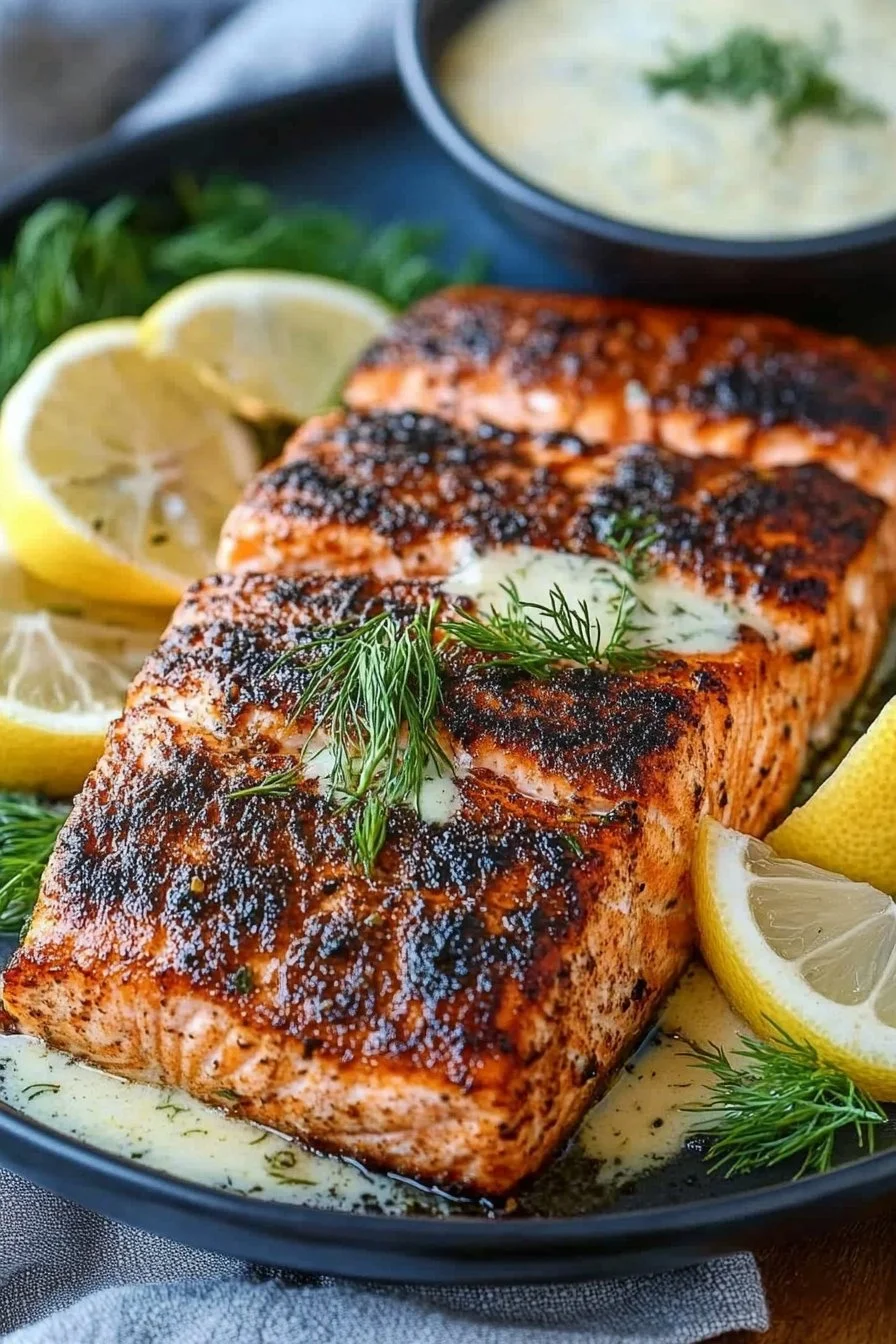
Achieving that restaurant-quality blackened salmon is entirely possible at home. The key lies in monitoring the cooking process closely. Watch for that deep brown crust—it indicates that the spices have caramelized beautifully, creating complex flavors.
Using an instant-read thermometer can help you determine when the salmon is perfectly cooked, typically around 145°F. This temperature ensures the fish remains tender and moist.
Troubleshooting/variations
Sometimes things don’t go as planned in the kitchen. If your salmon sticks to the pan, it may not have released enough steam or wasn’t hot enough. To avoid this, keep the skillet well-greased and ensure it reaches high heat before adding the salmon.
Variations are also possible. Try experimenting with different seasoning blends to suit your preferences. You could also opt for a mango salsa or a spicy avocado topping for a refreshing twist.
Serving and Storing Blackened Salmon
Serving/presentation
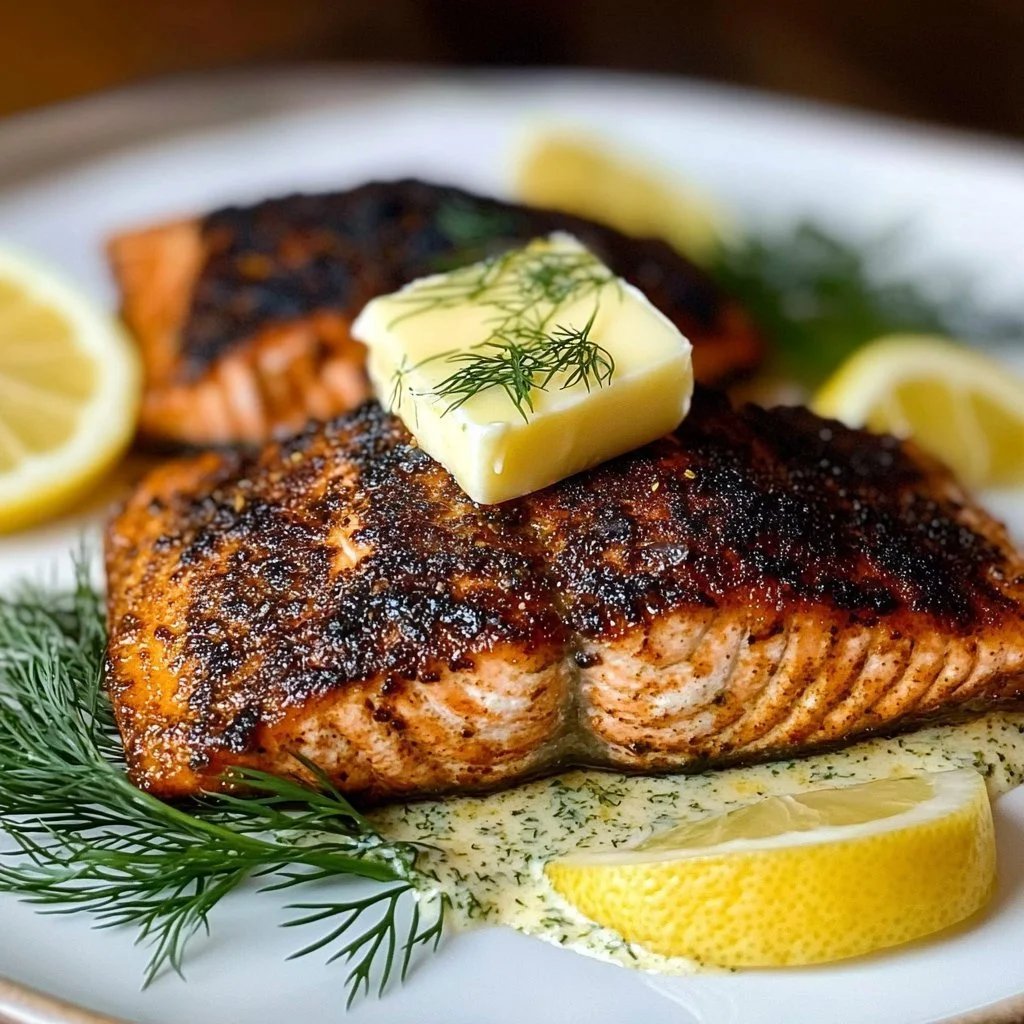
Plate your blackened salmon with care. The striking contrast of the dark crust against the creamy sauce transforms the dish into a visual delight. Garnish with fresh dill or lemon wedges for extra flair.
Consider serving this dish alongside simple sides, such as steamed vegetables or a fresh green salad. This balance complements the rich flavors without overpowering the salmon.
Pairings/storage
Blackened salmon pairs wonderfully with grains like quinoa or brown rice, adding fiber and texture to the meal. For those craving a refreshing beverage, consider sparkling water with lime or a well-mixed iced tea.
When it comes to storage, leftover salmon can be refrigerated in an airtight container for up to three days. Reheat gently to retain moisture, or enjoy it cold over a salad for a quick lunch option.
Conclusion
Blackened salmon with Creole lemon dill sauce encapsulates bold flavors and simple cooking techniques. This dish becomes a centerpiece, celebrated for its taste and ease of preparation. No matter the occasion, this blackened salmon turns any meal into a memorable experience. Embrace the beauty of vibrant ingredients transforming your dining table into a culinary celebration.
Print
Blackened Salmon with Creole Lemon Dill Sauce
- Prep Time: 15 minutes
- Cook Time: 10 minutes
- Total Time: 25 minutes
- Yield: 4 servings
- Category: Main Course
- Method: Pan-frying
- Cuisine: American
- Diet: Paleo
Description
A vibrant dish featuring blackened salmon fillets topped with a creamy Creole lemon dill sauce, perfect for a quick yet impressive meal.
Ingredients
- 4 salmon fillets (6 oz each, skin-on or skinless)
- 2 tablespoons olive oil
- 1 tablespoon blackened seasoning
- 1/2 cup mayonnaise
- 2 tablespoons sour cream
- 1 tablespoon Dijon mustard
- 1 tablespoon fresh dill, chopped
- 1 tablespoon lemon juice
- 1 teaspoon lemon zest
- 1 teaspoon Creole seasoning
- 1 small garlic clove, minced
- Salt and pepper to taste
Instructions
- Pat the salmon fillets dry with paper towels.
- Rub each fillet evenly on all sides with the blackened seasoning.
- Heat olive oil in a cast-iron skillet over medium-high heat until it shimmers.
- For skin-on fillets, place them skin-side down in the skillet. Cook for 4-5 minutes until a blackened crust forms.
- Carefully flip the fillets and cook for another 2-3 minutes until the salmon is opaque in the center.
- While the salmon cooks, prepare the sauce by combining mayonnaise, sour cream, Dijon mustard, dill, lemon juice, lemon zest, Creole seasoning, and minced garlic in a bowl.
- Stir until creamy and season with salt and pepper to taste.
- Once cooked, plate the salmon and top it with the sauce or serve on the side.
Notes
Ensure the skillet is hot to prevent sticking. Consider marinating salmon for extra flavor.